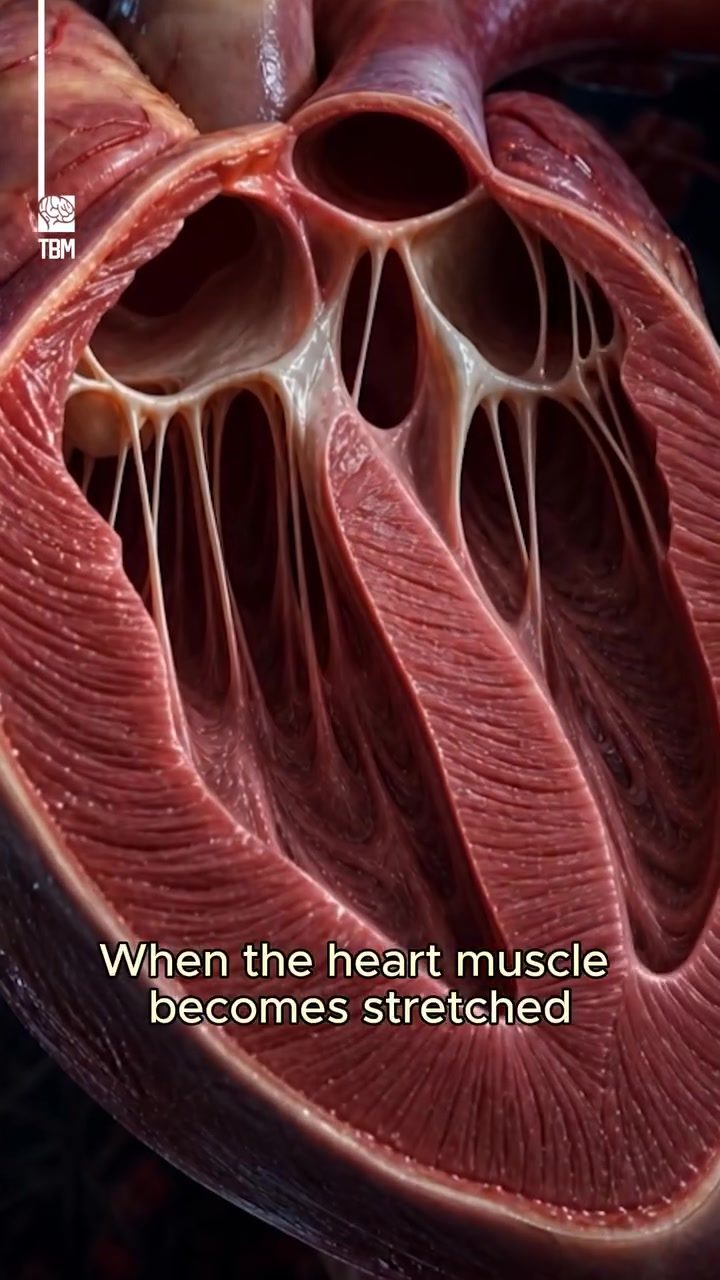
Cardiomyopathy: Understanding the Thick Heart Wall Problem
Cardiomyopathy refers to diseases of the heart muscle, which can cause the heart to become abnormally thick or stretched. This condition impairs the heart's ability to pump blood efficiently. The two most common types of cardiomyopathy are dilated and hypertrophic. Let's delve into what happens when the heart muscle becomes stretched or dangerously thick and how the heart's rhythm and sounds can reveal warning signs.
Why This Matters
Understanding cardiomyopathy is crucial because it affects millions of people worldwide. Early detection and treatment can significantly improve the quality of life and reduce the risk of serious complications, such as heart failure and sudden cardiac arrest. Recognizing the symptoms and understanding the diagnostic tools can empower individuals to take proactive steps toward managing their heart health.
Main Discussion
Types of Cardiomyopathy
Dilated Cardiomyopathy
In dilated cardiomyopathy, the heart chambers enlarge, and the muscle becomes weak. This weakening leads to a reduced ability to pump blood efficiently. The heart's contractions become less forceful, and the rhythm may become irregular. The heart's electrical impulses, as shown on an electrocardiogram (ECG), may display an irregular pattern. The heartbeat sounds may be faster, uneven, or accompanied by an extra third heart sound, which is often a sign of fluid buildup in the heart. The heart may not be pumping efficiently, leading to symptoms such as fatigue, shortness of breath, and swelling in the legs or abdomen.
Hypertrophic Cardiomyopathy
In hypertrophic cardiomyopathy, the heart wall becomes abnormally thick. This thickening reduces the space available for blood, making it harder for the heart to function properly. The ECG may show large electrical waves and rhythm abnormalities. The heartbeat may sound forceful and may include a heart murmur, which is an abnormal sound caused by turbulent blood flow. This type of cardiomyopathy can lead to symptoms such as chest pain, dizziness, and irregular heartbeats. The thickening of the heart muscle can obstruct the blood flow out of the heart, leading to serious complications.
Diagnostic Tools and Symptoms
ECG and Heart Sounds
An electrocardiogram (ECG) is a crucial diagnostic tool for identifying cardiomyopathy. In a healthy heart, the ECG shows a regular pattern of electrical impulses. However, in cardiomyopathy, the ECG may display irregular patterns, large electrical waves, and other abnormalities. Listening to the heartbeat can also provide valuable information. A healthy heartbeat sounds clear and evenly spaced. In cardiomyopathy, the heartbeat may sound faster, uneven, or accompanied by extra sounds, indicating potential issues with the heart's rhythm or blood flow.
Symptoms to Watch For
Symptoms of cardiomyopathy can vary widely, but some common signs include:
- Fatigue: Persistent tiredness, even with minimal exertion.
- Shortness of Breath: Difficulty breathing, especially during physical activity.
- Chest Pain: Discomfort or pressure in the chest.
- Dizziness: Feeling lightheaded or faint.
- Irregular Heartbeats: Palpitations or a sensation of the heart skipping beats.
If you experience any of these symptoms, it is essential to consult a healthcare provider for a thorough evaluation.
Risk Factors and Causes
Several factors can increase the risk of developing cardiomyopathy. These include:
- Genetic Factors: A family history of cardiomyopathy or certain genetic mutations can increase the risk.
- Infections: Viral or bacterial infections can damage the heart muscle.
- Alcohol and Drug Abuse: Excessive alcohol consumption and drug abuse can weaken the heart muscle.
- Chronic Conditions: Conditions such as diabetes, high blood pressure, and thyroid disease can contribute to the development of cardiomyopathy.
- Toxins and Medications: Certain toxins and medications can damage the heart muscle.
Understanding these risk factors can help individuals take preventative measures and seek early intervention if needed.
Treatment Options
Treatment for cardiomyopathy depends on the type and severity of the condition. Early diagnosis and treatment are crucial for managing symptoms and reducing the risk of complications. Some common treatment options include:
- Medications: Drugs to manage symptoms, such as beta-blockers, ACE inhibitors, and diuretics.
- Lifestyle Changes: Adopting a heart-healthy diet, regular exercise, and avoiding alcohol and tobacco.
- Device Therapy: Implantable cardioverter-defibrillators (ICDs) and pacemakers may be used to regulate the heart's rhythm.
- Surgery: In severe cases, surgery may be required to repair or replace damaged heart tissue.
Practical Tips
Recognizing the Signs
- Monitor Your Heart Health: Regular check-ups and screenings can help detect cardiomyopathy early.
- Listen to Your Body: Pay attention to symptoms such as shortness of breath, fatigue, and chest pain.
- Seek Professional Help: If you experience any concerning symptoms, consult a healthcare provider for a thorough evaluation.
Lifestyle Changes
- Healthy Diet: Adopt a heart-healthy diet rich in fruits, vegetables, whole grains, and lean proteins.
- Regular Exercise: Engage in regular physical activity to maintain a healthy heart.
- Avoid Alcohol and Tobacco: Limit alcohol consumption and avoid tobacco to reduce the risk of heart disease.
Important Takeaways
- Cardiomyopathy can significantly impact the heart's ability to pump blood efficiently.
- Early detection and treatment are crucial for managing symptoms and reducing the risk of complications.
- Recognizing the signs and symptoms of cardiomyopathy can help individuals seek timely medical intervention.
- Lifestyle changes and regular check-ups can improve heart health and reduce the risk of developing cardiomyopathy.
Conclusion
Cardiomyopathy is a serious condition that affects the heart's ability to function properly. By understanding the types of cardiomyopathy, recognizing the symptoms, and adopting a proactive approach to heart health, individuals can take control of their well-being. Regular check-ups, a heart-healthy lifestyle, and timely medical intervention can make a significant difference in managing this condition and reducing the risk of complications.
Watch the Reel
Questions readers ask
What are the most common symptoms of cardiomyopathy?
Symptoms of cardiomyopathy can vary but often include shortness of breath, fatigue, swelling in the legs or ankles, and irregular heartbeats. Some people may also experience chest pain or fainting, especially during physical activity. If you experience these symptoms, it's crucial to consult a healthcare professional for a proper evaluation.
What is the difference between dilated and hypertrophic cardiomyopathy?
Dilated cardiomyopathy occurs when the heart muscle stretches and becomes thin, leading to a larger heart chamber. This makes it harder for the heart to pump blood efficiently. In contrast, hypertrophic cardiomyopathy involves thickening of the heart muscle, which can obstruct blood flow and cause abnormal heart rhythms. Both conditions impair heart function but in different ways.
How does a thick heart muscle affect the heart's pumping efficiency?
A thick heart muscle, as seen in hypertrophic cardiomyopathy, can obstruct the heart's ventricles, making it difficult for blood to flow out of the heart. This obstruction reduces the heart's ability to pump blood effectively, leading to symptoms such as shortness of breath, fatigue, and chest pain. Over time, this can lead to more serious complications like heart failure.
What role does an ECG play in diagnosing cardiomyopathy?
An electrocardiogram (ECG) is a common diagnostic tool used to detect abnormalities in the heart's electrical activity. In the context of cardiomyopathy, an ECG can help identify irregular heart rhythms, which are often associated with heart muscle diseases. While an ECG alone cannot diagnose cardiomyopathy, it provides valuable information that, when combined with other tests, can aid in the diagnosis and management of the condition.
Can cardiomyopathy be managed effectively?
While there is no cure for cardiomyopathy, the condition can be managed effectively with proper treatment. Management strategies often include lifestyle changes, such as a heart-healthy diet and regular exercise, as well as medications to control symptoms and prevent complications. In some cases, surgical procedures or implantable devices may be recommended to improve heart function and quality of life.
What are the warning signs of a thick heart wall?
Warning signs of a thick heart wall, as seen in hypertrophic cardiomyopathy, can include chest pain, especially during or after physical activity, shortness of breath, lightheadedness or fainting, and an irregular heartbeat. If you experience these symptoms, it's important to seek medical attention promptly. Early detection and treatment can help prevent serious complications.
Related deep dives
Similar reads based on topic and creator.

Recent articles
Fresh deep dives from the latest Reels we unpacked.




Comments
Be the first to comment.