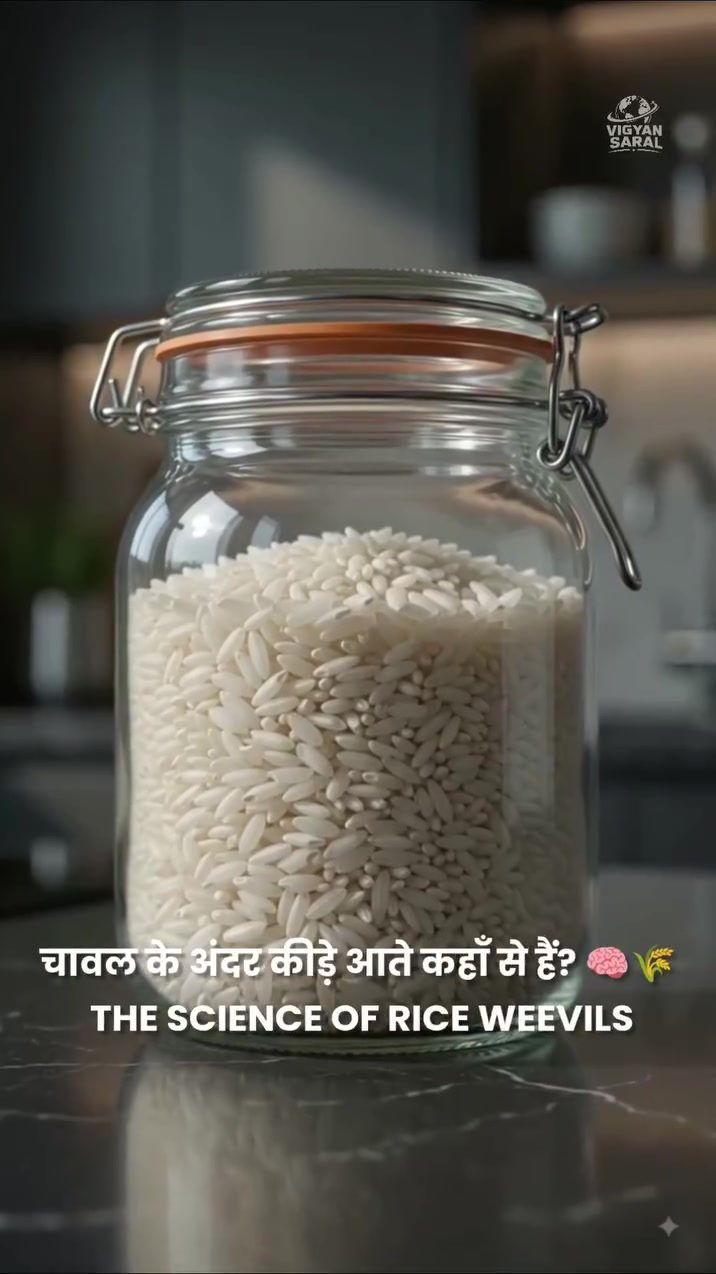
Rice Weevils: The Unseen World Inside Your Rice
Have you ever noticed small insects in your stored rice and wondered where they came from? The common misconception is that these rice weevils enter the grains from outside, but the truth is far more intricate. These insects are already present in the rice before it even reaches your pantry. Understanding the life cycle and behavior of rice weevils can help you manage and prevent infestations more effectively.
Why This Matters
Rice is a staple food in many households, and encountering insects in your stored rice can be unsettling. Knowing the source and life cycle of these pests can help you take proactive measures to protect your food supply. Rice weevils, in particular, are a common pest that can affect both stored rice and other grains. By understanding their behavior, you can better safeguard your food and ensure its safety.
The Invisible World of Rice Weevils
The presence of rice weevils in your stored grains is not due to external contamination. Instead, these insects hatch from eggs laid inside the rice kernels long before the rice reaches your pantry. The female rice weevil, known scientifically as Sitophilus oryzae, has a unique method of reproduction. Using its long, curved beak, it drills a microscopic hole into the rice grain and lays an egg inside. The egg is then sealed with a special fluid that prevents the egg from drying out and ensures the larva has a protected environment to develop. This process is crucial for the survival and proliferation of rice weevils.
Crucially, these insects do not develop inside the storage containers but in the fields or storage facilities where the rice is grown or stored. The rice weevil's life cycle involves several stages:
- Egg: The female rice weevil lays its eggs inside the rice kernels.
- Larva: The larva hatches from the egg and feeds on the inside of the rice grain, growing and developing.
- Pupa: The larva transforms into a pupa inside the grain.
- Adult: The adult weevil emerges from the grain, ready to repeat the cycle.
This process is often hidden from view, making it difficult to detect the presence of rice weevils until they become visible in the stored rice.
The Science Behind Rice Weevil Infestations
One of the most surprising facts about rice weevils is their reproductive capability. A single female rice weevil can lay up to 300 to 400 eggs during its lifetime. Each of these eggs is laid inside a different rice grain, ensuring that the infestation can spread rapidly. This high reproductive rate is a significant factor in the widespread presence of rice weevils in stored grains.
Where Do They Come From?
Rice weevils are typically introduced into stored grains during the harvesting and storage stages. Contaminated rice grains can carry rice weevil eggs, which then hatch and infest the entire batch. Proper storage practices and regular inspections can help minimize the risk of infestation.
Practical Tips for Preventing Rice Weevil Infestations
Preventing rice weevil infestations involves several practical steps. Here are some tips to help you protect your stored grains:
- Inspect and Clean: Regularly inspect your stored rice for any signs of infestation. Clean your storage containers thoroughly before using them for grains.
- Use Airtight Containers: Store your rice in airtight containers to prevent the entry of adult weevils and other pests.
- Refrigerate or Freeze: Storing rice in the refrigerator or freezer can slow down the development of weevil larvae and eggs, providing an additional layer of protection.
- Rotate Your Stock: Use older grains first and rotate your stock to ensure that you are not storing a large quantity of rice for extended periods.
- Regularly Discard Old Rice: If you suspect your rice is contaminated, discard it immediately to prevent the spread of infestation.
Important Takeaways
Understanding the lifecycle and behavior of rice weevils can significantly reduce the risk of infestation in your stored grains. By taking proactive measures, such as using airtight containers and regularly inspecting your rice, you can ensure the safety and quality of your stored food.
Key Points to Remember
- Rice weevils do not enter rice grains from the outside; their eggs are already present inside the grains.
- Female rice weevils lay eggs inside rice grains, sealing them with a special fluid to protect the developing larvae.
- A single female rice weevil can lay up to 300 to 400 eggs during its lifetime.
- Proper storage practices, such as using airtight containers and regularly inspecting your grains, can help prevent infestations.
- Storing rice in the refrigerator or freezer can slow down the development of weevil larvae and eggs.
Conclusion
Rice weevils are a common pest that can affect stored rice and other grains. By understanding their life cycle and behavior, you can take proactive measures to prevent infestations and protect your food supply. Regular inspections, proper storage, and timely disposal of contaminated grains can help you maintain the quality and safety of your stored rice.
Watch the Reel
Questions readers ask
How do rice weevils get into my rice?
Rice weevils do not infest rice from the outside once it is in your pantry. Instead, the adult weevils lay their eggs within the rice kernels before harvest, and the larvae develop inside the grains. This means the infestation begins long before the rice reaches your home.
Can I see rice weevils before they infest my rice?
Seeing adult weevils before they infest your rice is highly unlikely. Rice weevils are quite small. They have a reddish-brown color and are about 1/8 inch long. The larvae, which develop inside the grains, are even smaller and not visible to the naked eye. Prevention involves checking your stored rice for signs of infestation, such as small holes or a weevil's larvae.
What can I do to prevent rice weevil infestations?
Preventing rice weevil infestations starts with proper storage. Store rice in airtight containers to keep weevils from escaping and laying eggs in new grains. Freezing rice for at least 48 hours can kill any existing larvae or eggs. Additionally, regularly inspect your rice for signs of weevils and discard any infested grains immediately. Buy rice in smaller quantities so it is used before weevils have a chance to infest it.
How do I know if my rice has weevils?
Signs of a rice weevil infestation include seeing small, reddish-brown insects near your rice or in your pantry, finding small holes in the rice grains, and noticing a musty odor or foul smell coming from the rice. If you suspect an infestation, check the expiration date and usage of the rice, and inspect the container for any signs of weevil activity.
Can rice weevils be harmful to my health?
Rice weevils themselves do not pose a significant health risk to humans. However, they can contaminate your rice and reduce its quality. If you notice a weevil infestation, discard the affected rice to maintain food safety and quality. Also, ensure that all containers and surfaces that came in contact with the infested rice are cleaned thoroughly to prevent the spread of the infestation.
How do I get rid of rice weevils if they are in my pantry?
If you find rice weevils in your pantry, the first step is to discard all infested rice immediately. Throw it away in a sealed plastic bag to prevent the weevils from spreading. Next, thoroughly clean the area where the infested rice was stored, using a vacuum to remove any weevils or eggs. Use a strong, food-grade disinfectant to wipe down all surfaces. Finally, store your new rice in airtight containers to prevent future infestations.
What is the life cycle of a rice weevil?
The life cycle of a rice weevil consists of four stages: egg, larva, pupa, and adult. The adult weevil lays eggs inside the rice kernels, where the larvae hatch and feed on the grain. The larvae then pupate and emerge as adults, ready to lay more eggs. This cycle can take 40 to 50 days, depending on environmental conditions such as temperature and humidity.
Recent articles
Fresh deep dives from the latest Reels we unpacked.




Comments
Be the first to comment.