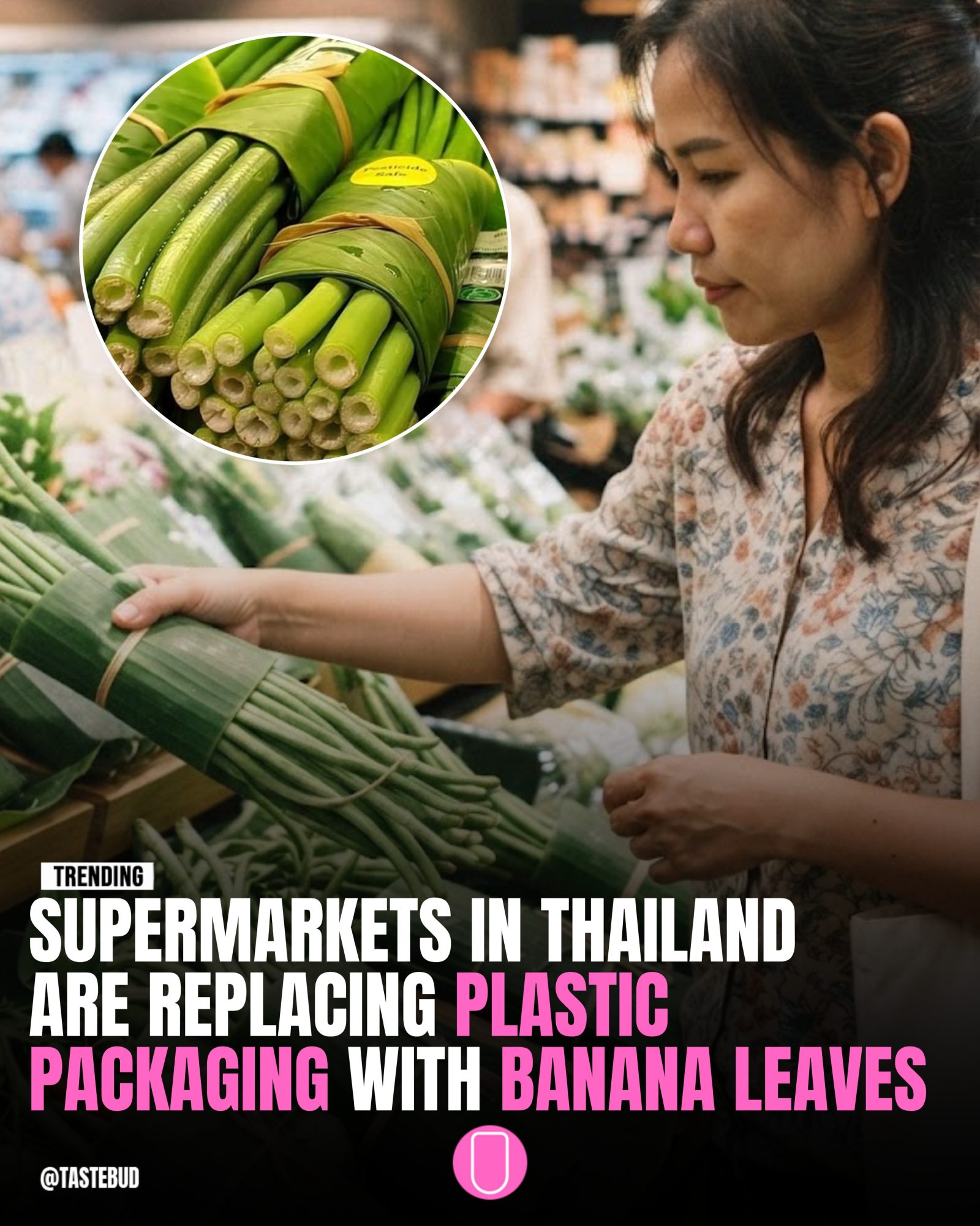
Banana Leaf Packaging in Supermarkets
In parts of Thailand, a sustainable packaging revolution is taking place. Supermarkets are increasingly turning to banana leaves to wrap produce, offering a biodegradable alternative to traditional plastic packaging. This shift is not only a nod to traditional practices but also a significant step towards reducing single-use waste.
Why This Matters
The global push towards sustainability has led many to reevaluate the environmental impact of everyday products, including packaging. Traditional plastic packaging, while effective in preserving freshness, contributes to massive amounts of single-use waste. Banana leaves, on the other hand, are biodegradable, renewable, and widely available, making them an ideal eco-friendly option.
Benefits of Banana Leaf Packaging
Reducing Plastic Waste
One of the most significant benefits of using banana leaves for packaging is the reduction of plastic waste. Plastic packaging, while convenient, creates a substantial amount of single-use waste that ends up in landfills and oceans. By switching to banana leaves, supermarkets can significantly cut down on their plastic usage.
Sustainability and Renewability
Banana leaves are a renewable resource. Unlike plastic, which is derived from non-renewable petroleum, banana leaves are abundant and can be harvested without harming the plant. This makes them an excellent choice for sustainable packaging, especially in regions where banana trees are prevalent.
Cultural Significance
The use of banana leaves for wrapping and storing food is not a new practice. It has been a traditional method across Southeast Asia for generations. By incorporating this traditional practice into modern retail, supermarkets are not only embracing sustainability but also honoring cultural heritage.
Practical Tips for Implementing Banana Leaf Packaging
Source Locally
When implementing banana leaf packaging, it's essential to source the leaves locally. This not only supports local farmers but also reduces the carbon footprint associated with transportation. In regions where banana trees are abundant, sourcing leaves from local farmers can be a cost-effective and sustainable solution.
Education and Awareness
Educating customers about the benefits of banana leaf packaging is crucial. Many consumers may be accustomed to plastic packaging and might need guidance on the environmental benefits of banana leaves. Supermarkets can achieve this through in-store signage, promotional materials, and social media campaigns.
Product Presentation
Banana leaf packaging can make products stand out due to its unique and rustic appearance. Supermarkets can leverage this to create eye-catching displays, making the produce more appealing to customers. This can also be a marketing strategy to differentiate the supermarket from competitors.
Important Takeaways
Embrace Sustainability
The shift to banana leaf packaging is a significant step towards sustainability. By adopting this eco-friendly practice, supermarkets can lead the way in reducing plastic waste and promoting a greener future.
Support Local and Renewable Resources
Using banana leaves for packaging supports local farmers and promotes the use of renewable resources. This not only benefits the environment but also strengthens local economies.
Honor Traditional Practices
The use of banana leaves for packaging is a nod to traditional practices. By blending modern retail with cultural heritage, supermarkets can offer customers a unique and meaningful shopping experience.
Conclusion
Banana leaf packaging is a simple yet impactful way to reduce plastic waste and promote sustainability in supermarkets. This practice, rooted in traditional methods, offers numerous benefits, from reducing environmental impact to supporting local farmers. By embracing banana leaf packaging, supermarkets can lead the way in creating a more sustainable future.
Watch the Reel
Questions readers ask
Why are Thai supermarkets choosing banana leaves for produce wrapping?
Thai supermarkets are choosing banana leaves for produce wrapping as a sustainable alternative to plastic. Banana leaves are biodegradable, reducing single-use waste, and align with Thailand's rich cultural heritage, making them a practical and meaningful choice for eco-friendly packaging.
How does using banana leaf packaging help the environment?
Using banana leaf packaging reduces the amount of plastic waste sent to landfills. Banana leaves are biodegradable and renewable, unlike plastic, which means they don't contribute to the growing problem of non-biodegradable waste polluting the environment. This switch supports a cleaner, greener planet.
Are there other countries using similar sustainable practices?
While Thailand's use of banana leaves is notable, other countries are also adopting sustainable practices. For instance, some places use bamboo or palm leaves for wrapping food, while others focus on compostable or recyclable packaging materials to reduce their environmental impact.
What are the benefits of banana leaf packaging for supermarkets?
For supermarkets, banana leaf packaging offers several benefits. It is cost-effective, as banana leaves are locally sourced and abundant. It also enhances the supermarket's image as an eco-conscious business, which can attract environmentally aware customers.
How do banana leaves compare to plastic for wrapping produce?
Banana leaves are a direct alternative to plastic for wrapping produce. They are naturally antimicrobial, helping to keep produce fresh. Additionally, they are flexible and easy to wrap, making them a practical choice for supermarkets looking to reduce their plastic usage.
How are customers responding to the use of banana leaf packaging?
Customers have generally responded positively to the use of banana leaf packaging. Many appreciate the eco-friendly approach and the unique, traditional touch it adds to their shopping experience. Some customers might need time to adjust, but overall, the response has been encouraging.
Related deep dives
Similar reads based on topic and creator.


Recent articles
Fresh deep dives from the latest Reels we unpacked.




Comments
Be the first to comment.