Texas Roadhouse Butter: What's in the Blend?
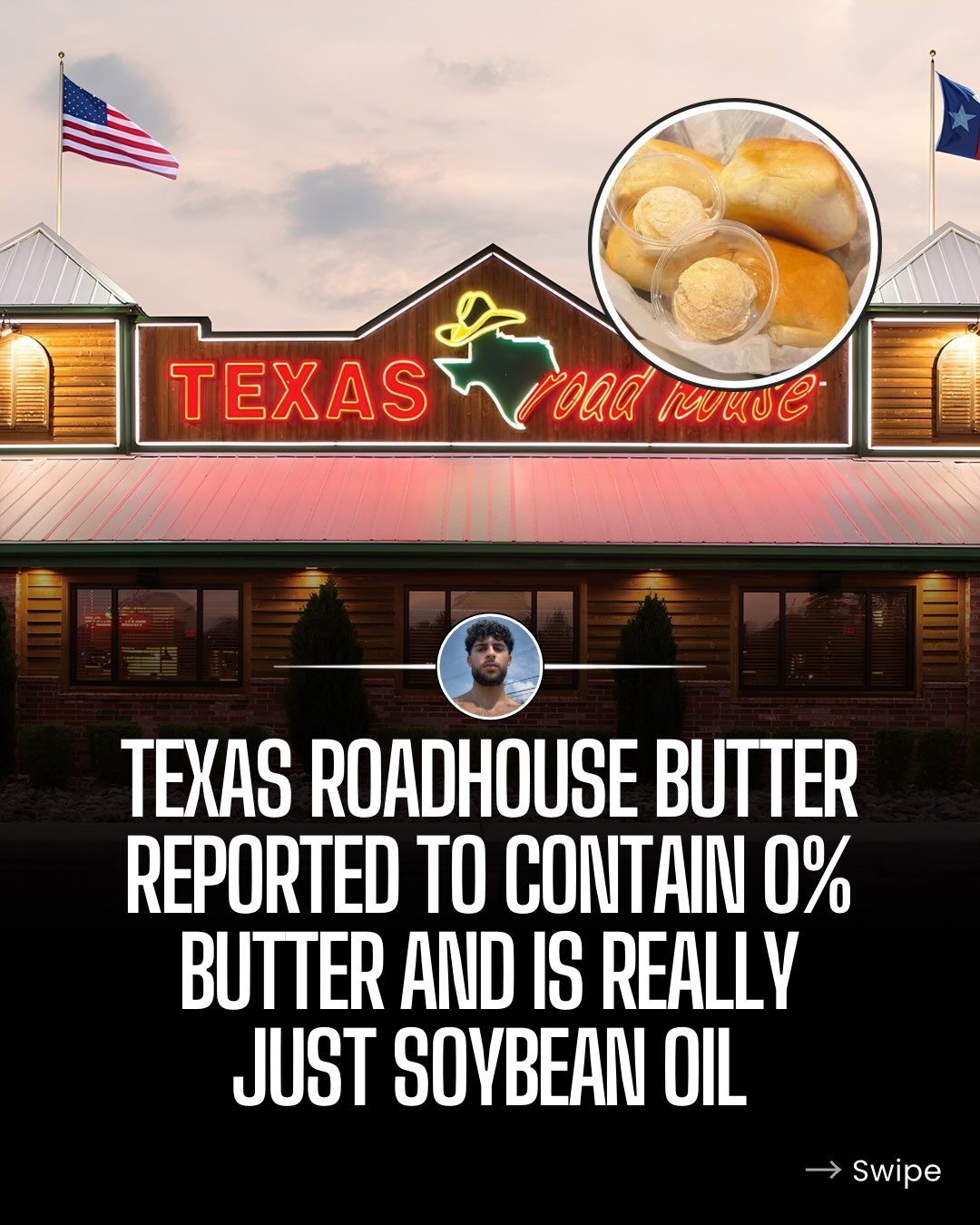
Texas Roadhouse’s famous “butter” has been a hot topic lately, with reports claiming that it contains 0% actual butter. Instead, the first ingredient listed is soybean oil, making it a margarine/seed oil blend. This revelation sheds light on a common practice in chain restaurants where cost-cutting measures are often disguised as the real thing.
Why This Matters
Understanding what's in the food you consume is crucial for making informed dietary choices. The Texas Roadhouse butter controversy highlights the importance of being aware of how food is processed and labeled. It also touches on broader issues within the food industry, particularly the prevalence of heavily processed and subsidized crops like soybean oil.
The Ingredients: Soybean Oil and Beyond
Texas Roadhouse’s “butter” is reportedly made entirely of soybean oil, palm kernel oil, and other ingredients, with no actual butter. Soybean oil is a staple in many processed foods due to its low cost and versatility. However, it is also one of the most heavily processed and subsidized crops in the American food system, dominated by a handful of agrochemical corporations.
Soybean Oil: The Dominant Ingredient
Soybean oil is derived from soybeans, which are one of the most widely grown crops in the United States. It is used extensively in the food industry because of its neutral flavor and high smoke point, making it suitable for frying and baking. However, the processing of soybean oil often involves high temperatures and chemical solvents, which can alter its nutritional profile and create harmful byproducts.
Margarine and Palm Kernel Oil: The Supporting Cast
In addition to soybean oil, the Texas Roadhouse butter blend includes palm kernel oil and other ingredients. Margarine, often used as a butter substitute, is made from vegetable oils and can contain various additives to mimic the taste and texture of butter. Palm kernel oil is a type of palm oil extracted from the kernel of the oil palm fruit. While it is rich in saturated fats, it is often used in processed foods for its solidifying properties.
The Nutrition Label: What It Reveals
The nutrition label on Texas Roadhouse’s butter reveals that it is primarily composed of soybean oil and palm kernel oil, with no actual butter listed. This transparency is essential for consumers who want to know exactly what they are eating. However, the labeling can sometimes be misleading, especially when terms like "butter" are used to describe products that contain no actual butter.
Understanding Food Labels
Food labels can be tricky to navigate, but understanding them is crucial for making informed choices. When a product is labeled as "butter," it should contain dairy butter as the primary ingredient. However, in this case, the term "butter" is used to describe a product that is primarily made of oils and lacks actual butter.
Chain Restaurants and Cost-Cutting
The use of margarine and seed oil blends in chain restaurants is a common practice aimed at reducing costs. These oils are cheaper than actual butter, and their neutral flavor allows them to be used in a variety of dishes without altering the taste significantly. However, this cost-cutting measure can come at the expense of nutritional value and quality.
Real Butter: Where to Find It
Real butter, sourced from quality dairy products, is available but may not be as readily available in chain restaurants. Many local eateries, specialty stores, and gourmet markets offer butter made from grass-fed cows or other high-quality sources. When dining out, you can always ask for real butter or opt for restaurants that prioritize using quality ingredients.
Practical Tips for Navigating Food Choices
Read the Fine Print
When dining out or shopping for groceries, take the time to read the ingredient list and nutrition labels. This will help you avoid products that contain unwanted ingredients or are misleadingly labeled.
Ask Questions
Don't hesitate to ask your server or the restaurant staff about the ingredients in your food. Many restaurants are happy to provide this information, and knowing what's in your meal can help you make better choices.
Support Local and Quality Sources
Support local farmers and eateries that prioritize using quality ingredients. By doing so, you can enjoy meals made with real butter and other wholesome ingredients, rather than processed substitutes.
Important Takeaways
The Texas Roadhouse butter controversy underscores the need for transparency and awareness in the food industry. Soybean oil and other processed oils are frequently used as cost-effective substitutes for actual butter, but they lack the nutritional benefits and quality of real butter. Consumers should be vigilant in reading labels, asking questions, and supporting establishments that prioritize high-quality ingredients.
Conclusion
The Texas Roadhouse butter controversy serves as a reminder to be mindful of what you're consuming. By understanding the ingredients in your food and making informed choices, you can enhance your dining experience and support better food practices. Whether you're dining out or shopping for groceries, being aware of the ingredients in your food is essential for making choices that align with your dietary values and health goals.
Watch the Reel
Questions readers ask
What are the main ingredients in Texas Roadhouse Butter?
Texas Roadhouse Butter primarily consists of soybean oil, along with other vegetable oils. It does not contain any actual butter, which has sparked controversy and discussion among consumers. Additionally, it includes ingredients like water, salt, natural and artificial flavors, and preservatives.
How does Texas Roadhouse Butter differ from actual butter?
Unlike actual butter, which is made from cream and contains milk fats, Texas Roadhouse Butter is a margarine/seed oil blend. This means it is made from a combination of vegetable oils, primarily soybean oil, and does not have the same nutritional profile as dairy-based butter.
Why is soybean oil a prominent ingredient in Texas Roadhouse Butter?
Soybean oil is a common and cost-effective ingredient in many processed foods. It is often used as a substitute for butter due to its neutral flavor and lower production cost. Texas Roadhouse uses soybean oil as a key ingredient in its butter blend to reduce costs, aligning with common practices in the food industry.
What are the health implications of consuming Texas Roadhouse Butter?
Since Texas Roadhouse Butter is high in vegetable oils and lacks the natural fats from butter, it may not offer the same benefits, but can impact health negatively when consumed in excess. It often contains trans fats and may contain ingredients that contribute to inflammation in the body. For a balanced diet, it is essential to consume oils and fats in moderation and opt for healthier alternatives when possible.
Is it common for restaurants to use substitutes like Texas Roadhouse Butter?
Yes, it is a common practice for chain restaurants to use substitutes like Texas Roadhouse Butter to cut costs while maintaining a similar flavor and texture. These substitutes often use vegetable oils or margarine blends, which are less expensive than real butter. Consumers should be aware of these practices and check ingredient lists when possible.
What should consumers look for when checking ingredient lists for butter substitutes?
When checking ingredient lists, consumers should look for products that list butter or cream as the primary ingredient. Ingredients such as soybean oil, vegetable oil, or margarine/seed oil blends are signs that the product may not be real butter. Always check the label to ensure you are making an informed choice about what you are consuming.
How does Texas Roadhouse Butter reflect broader issues in the food industry?
Texas Roadhouse Butter reflects broader issues in the food industry by showcasing the prevalence of processed foods and the use of subsidized crops like soybean oil. This practice highlights the need for consumers to be vigilant about what they consume and the importance of understanding how foods are processed and labeled. It also raises questions about the transparency of food labels and the ingredients used in restaurant meals.
Recent articles
Fresh deep dives from the latest Reels we unpacked.




Comments
Be the first to comment.