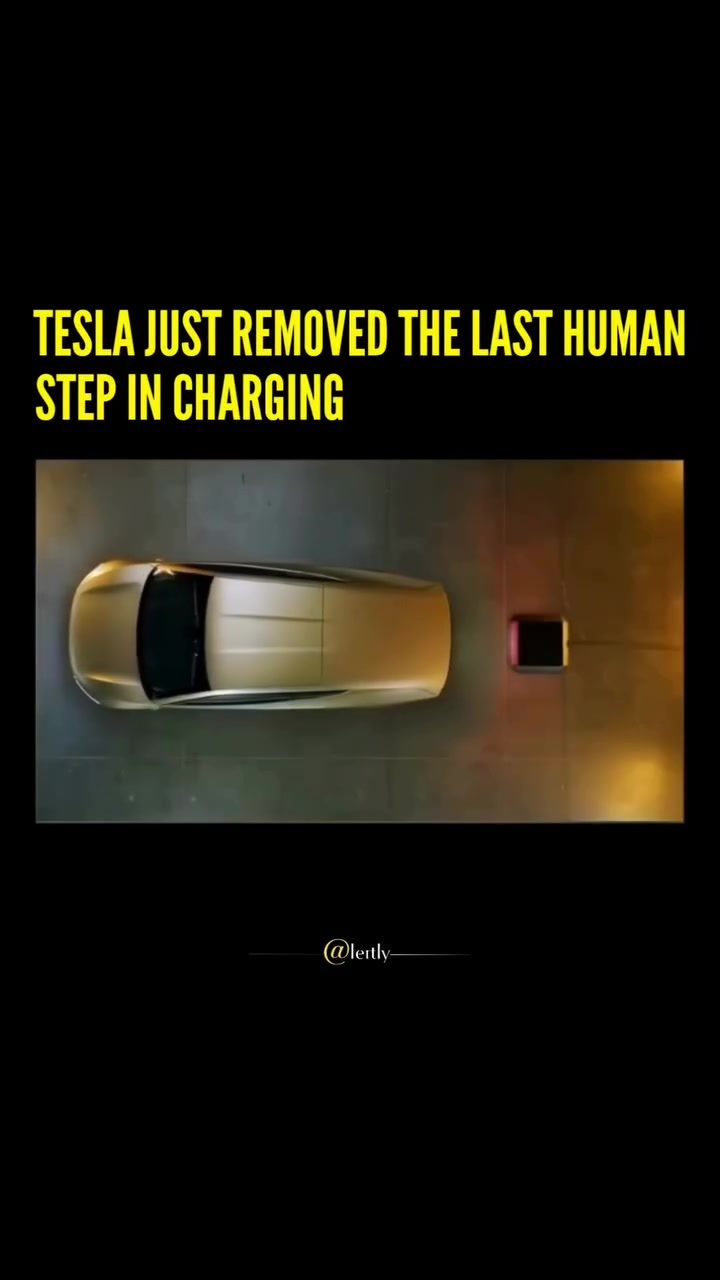
Tesla's Cybercab and the Future of Autonomous Charging
Tesla's Cybercab has taken a significant stride toward full autonomy with the recent FCC approval of its wireless charging system. This update allows the vehicle to use Ultra Wideband (UWB) positioning for precise alignment over charging pads, eliminating the need for human intervention. While this might seem like a routine regulatory update, it addresses a fundamental challenge for autonomous fleets: automated charging without the need for drivers, cables, or manual assistance.
Why This Matters
Autonomous vehicles (AVs) are poised to revolutionize transportation, but their success hinges on more than just self-driving capabilities. For robotaxis and other AVs operating 24/7, efficiency is as crucial as intelligence. The ability to charge automatically ensures that these vehicles can run continuously, maximizing their operational hours and reducing downtime.
The Importance of Automated Charging
Automated charging systems are vital for the logistics and efficiency of autonomous fleets. Traditional charging methods require human intervention, which introduces delays, increases costs, and can disrupt the seamless operation of AVs. By removing these manual steps, Tesla's wireless charging system enhances efficiency and reliability, making it a game-changer for autonomous fleets.
The Role of Ultra Wideband (UWB) Positioning
UWB technology is a key component in Tesla's automated charging system. UWB positioning allows the vehicle to align precisely over charging pads without human input. This technology provides accurate distance and location measurements, ensuring that the vehicle can charge efficiently and safely.
The Broader Infrastructure Picture
Autonomous vehicles are not just about advanced self-driving software; they also need automated energy systems, fleet coordination, and seamless vehicle-to-environment communication. Tesla's approach to building all three components simultaneously showcases a comprehensive strategy for integrating AVs into the broader infrastructure.
Automated Energy Systems
Efficient and automated energy systems are essential for the operation of autonomous vehicles. Tesla's wireless charging system is a significant step in this direction, as it allows vehicles to charge automatically and efficiently. This reduces the need for human intervention and ensures that vehicles can operate continuously without interruptions.
Fleet Coordination
Fleet coordination is another critical aspect of autonomous vehicle operation. Coordinating the movements of multiple AVs ensures that they can operate efficiently and avoid traffic congestion. Automated charging systems contribute to this by minimizing downtime and ensuring that vehicles can return to service quickly after charging. Tesla’s wireless charging demonstrates a commitment to seamless integration and coordination, which is vital for the success of autonomous fleets.
Vehicle-to-Environment Communication
Seamless vehicle-to-environment communication is essential for the safe and efficient operation of autonomous vehicles. This requires the integration of various technologies, including wireless charging, UWB positioning, and advanced communication systems. Tesla’s wireless charging system is a critical component of this broader infrastructure, ensuring that vehicles can charge efficiently and remain connected to the broader network. This technology enables vehicles to communicate with the environment, enhancing safety and operational efficiency.
Practical Tips for Implementing Automated Charging
Implementing automated charging systems in autonomous vehicles involves several practical considerations. Here are some key tips to ensure successful deployment:
-
Choose the Right Technology: Select a reliable and accurate positioning technology, such as UWB, to ensure precise alignment and efficient charging.
-
Integrate with Existing Infrastructure: Ensure that the charging system can integrate seamlessly with the existing infrastructure, including communication systems and fleet management software.
-
Optimize for Efficiency: Design the charging system to minimize downtime and maximize operational efficiency. This includes optimizing the charging process and ensuring that vehicles can return to service quickly after charging.
-
Ensure Seamless Communication: Implement advanced communication systems to ensure that vehicles can communicate with the environment and other fleet members efficiently.
-
Monitor and Maintain: Regularly monitor and maintain the charging system to ensure its reliability and efficiency. This includes checking the alignment, charging progress, and communication systems.
Important Takeaways
The FEC approval of Tesla’s wireless charging system is a significant step toward full autonomy for the Cybercab. This update ensures automated charging without the need for human intervention, addressing a critical challenge for autonomous fleets. The broader infrastructure required for AVs, including automated energy systems, fleet coordination, and vehicle-to-environment communication, is essential for their success. By building all three components simultaneously, Tesla demonstrates a comprehensive approach to integrating AVs into the broader infrastructure.
Conclusion
Tesla's wireless charging system, approved by the FCC, represents a significant advancement in the development of autonomous vehicles. This technology allows for precise alignment over charging pads, eliminating the need for human intervention. As autonomous fleets continue to grow, automated charging systems will play a crucial role in ensuring their efficiency and reliability. Tesla's comprehensive approach to integrating AVs into the broader infrastructure, including automated energy systems, fleet coordination, and vehicle-to-environment communication, sets a benchmark for the industry. The successful deployment of automated charging systems will pave the way for a future where autonomous vehicles can operate seamlessly and efficiently, transforming transportation as we know it.
Watch the Reel
Questions readers ask
How does Tesla's wireless charging system in the Cybercab work?
Tesla's wireless charging system in the Cybercab utilizes Ultra Wideband (UWB) positioning to align precisely over charging pads. This technology allows the vehicle to charge automatically and wirelessly, which is crucial for continuous operation of autonomous fleets.
What is the significance of the FCC approval for Tesla's wireless charging system?
The FCC approval for Tesla's wireless charging system, which includes UWB positioning technology, is significant as it validates the system for public use and enables the deployment of autonomous fleets. This paves the way for vehicles to charge autonomously, thus improving the efficiency and reliability of autonomous operations.
Why is Ultra Wideband (UWB) positioning important for autonomous vehicle charging?
UWB positioning is essential for autonomous vehicle charging because it ensures precise alignment of the vehicle over charging pads. This precision is critical for efficient and effective wireless charging, allowing autonomous vehicles to charge quickly and reliably without human intervention.
How does Tesla's wireless charging system benefit autonomous fleets?
Tesla's wireless charging system benefits autonomous fleets by enabling vehicles to charge without the need for manual intervention. This reduces downtime, increases operational efficiency, and ensures that autonomous fleets can operate continuously, making them more reliable and cost-effective.
What are the key features of the Tesla Cybercab's wireless charging system?
The key features of the Tesla Cybercab's wireless charging system include the use of UWB positioning for precise alignment, wireless charging pads, and the ability to charge without human intervention. These features collectively enhance the autonomy and efficiency of the vehicle, particularly in fleet operations.
Can other autonomous vehicles use Tesla's wireless charging technology?
While Tesla's wireless charging technology is currently designed for its own vehicles, including the Cybercab, the principles and technology behind it could be adapted for other autonomous vehicles. However, specific details and compatibility would need to be assessed on a case-by-case basis.
What are the advantages of wireless charging over traditional charging methods for autonomous vehicles?
Wireless charging offers several advantages over traditional charging methods for autonomous vehicles. It eliminates the need for manual cable connections, reduces wear and tear, and allows for more seamless and efficient charging processes, which are essential for maintaining the continuous operation of autonomous fleets.
Related deep dives
Similar reads based on topic and creator.

Recent articles
Fresh deep dives from the latest Reels we unpacked.




Comments
Be the first to comment.