NFL Team Nutrition Change
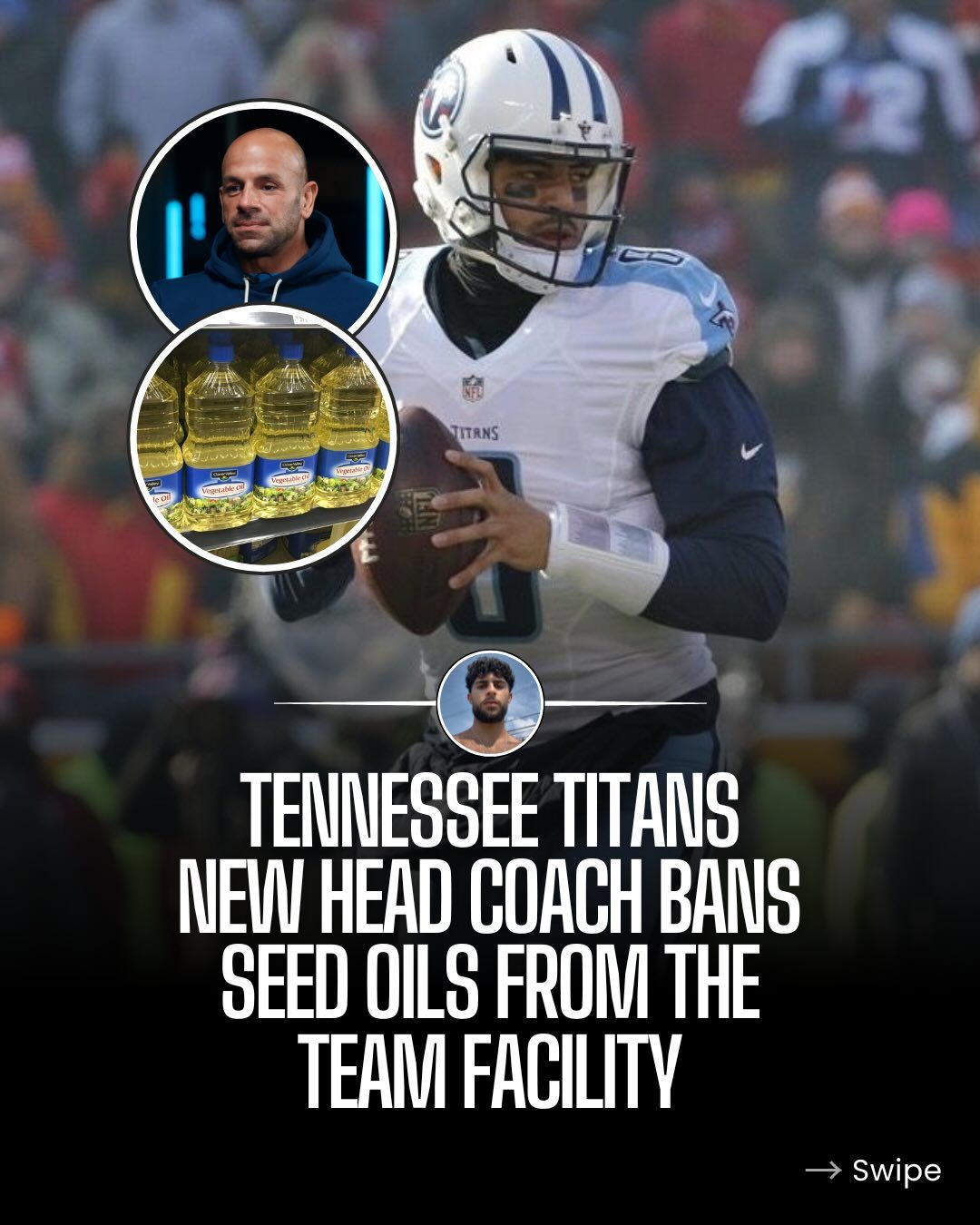
The Tennessee Titans have made a significant change to their team nutrition program, removing seed oils from their facility. This shift is part of a broader overhaul aimed at enhancing player performance and overall health. Coach Saleh, with the support of the franchise, has led this effort to improve the quality and nutritional value of the food available to the team.
Why This Matters
The move to ban seed oils is more than just a dietary adjustment; it represents a strategic effort to optimize player performance. Professional athletes, especially at the NFL level, require precise nutrition to maintain peak physical condition and mental acuity. The decision to remove seed oils underscores the Titans' commitment to leveraging nutrition as a competitive advantage.
Main Discussion
Understanding Seed Oils
Seed oils, such as canola, soybean, sunflower, and corn oil, are ubiquitous in modern diets. These oils are high in linoleic acid, an omega-6 fatty acid. While omega-6 fats are essential, an imbalance in the omega-6 to omega-3 ratio can lead to health issues. Modern diets often skew heavily toward omega-6 fats, which can contribute to inflammation and sluggishness. Removing seed oils from the Titans' cafeteria is a direct response to these nutritional concerns.
The Role of Linoleic Acid
Linoleic acid, a predominant component of seed oils, plays a crucial role in the body's metabolic processes. However, excessive consumption can lead to an imbalance in fatty acids. This imbalance can affect various bodily functions, including immune response, cardiovascular health, and even cognitive performance. For athletes, maintaining a balanced diet is critical for recovery and overall well-being.
Player Feedback
Titans safety Amani Hooker highlighted the impact of dietary changes on performance. He noted that consuming seed oils can lead to feelings of heaviness and reduced performance during games. This feedback underscores the tangible benefits of the nutritional overhaul. By removing seed oils, the Titans aim to enhance recovery times, reduce fatigue, and improve overall food quality.
Nutritional Overhaul
The Titans' decision to ban seed oils is part of a larger nutritional strategy. The overhaul includes a variety of changes designed to boost player health and performance. These changes are not just about what is removed from the diet but also about what is added. The team is likely focusing on incorporating more nutrient-dense foods, such as lean proteins, whole grains, and healthy fats, to support their athletes' demanding schedules.
The Science Behind the Change
The scientific community has long debated the impact of seed oils on health. Many studies suggest that high consumption of linoleic acid can lead to chronic inflammation, which is detrimental to athletic recovery and performance. By addressing this issue, the Titans are aligning their dietary practices with current nutritional research, aiming to give their players a competitive edge.
Practical Tips
For athletes and fitness enthusiasts looking to follow the Titans' lead, here are some practical tips:
- Educate Yourself: Learn about the foods you consume and their nutritional value. Understand the difference between healthy and unhealthy fats.
- Read Labels: Pay attention to ingredient lists and nutritional information on food labels. Avoid products high in seed oils.
- Cook at Home: Prepare your meals to have better control over ingredients. This allows you to avoid hidden sources of unhealthy fats.
- Consult a Nutritionist: Work with a professional to create a diet plan tailored to your specific needs and goals.
- Stay Informed: Keep up with the latest research on nutrition and health. The field is continually evolving, and new information can guide better dietary choices.
Important Takeaways
- Seed oils, including canola, soybean, sunflower, and corn oil, are high in linoleic acid, an omega-6 fat.
- Excessive consumption of linoleic acid can lead to an imbalance in the omega-6 to omega-3 ratio, affecting health and performance.
- Banning seed oils from the cafeteria is part of the Titans' broader nutritional overhaul aimed at enhancing player health and performance.
- Players like Amani Hooker have reported feeling better and performing more effectively with the change.
Conclusion
The Tennessee Titans' decision to ban seed oils from their team facility reflects a strategic approach to leveraging nutrition as a key component of athletic performance. By removing these oils, the team aims to improve recovery times, reduce fatigue, and enhance overall health. This nutritional overhaul, led by coach Saleh, underscores the importance of a well-balanced diet in professional sports. For athletes and fitness enthusiasts, understanding the impact of seed oils and making informed dietary choices can lead to significant improvements in health and performance.
Watch the Reel
Questions readers ask
Why did the Tennessee Titans ban seed oils from their nutrition program?
The Tennessee Titans banned seed oils to enhance player performance and overall health. Seed oils are high in omega-6 fatty acids, which can contribute to inflammation and potentially hinder athletic recovery and performance.
What are seed oils and why are they a concern for athletes?
Seed oils are oils extracted from seeds such as sunflower, canola, and soybean. They are high in linoleic acid, an omega-6 fatty acid. High consumption of omega-6 fatty acids can lead to an imbalance with omega-3 fatty acids, promoting inflammation in the body.
How does this nutritional change impact player health and performance?
By removing seed oils, the Titans aim to reduce inflammation and optimize players' nutritional intake. This can lead to improved recovery, better physical condition, and enhanced mental focus, all crucial for peak performance in professional sports.
Were there specific concerns that led to this nutrition overhaul?
The primary concerns were the excessive intake of omega-6 fatty acids and the potential for increased inflammation. The team aims to address these issues to ensure the best possible diet for their players.
Who is leading this nutritional change within the Tennessee Titans organization?
The initiative is led by Coach Saleh, with the support of the entire Titans franchise. The coach, along with the team's nutritional experts, is spearheading the effort to improve the quality of food and nutritional content available to the players.
What other steps might the Titans take to enhance their nutrition programs?
The Titans might explore further nutritional guidelines that promote a healthier balance of fatty acids, increase the intake of anti-inflammatory foods, and ensure that all aspects of the team's diet support optimal performance and recovery.
What are the benefits of removing seed oils for non-athletes?
Removing seed oils from one’s diet can also benefit non-athletes. Reducing omega-6 intake can help manage inflammation, support overall health, and potentially improve general well-being.
Recent articles
Fresh deep dives from the latest Reels we unpacked.




Comments
Be the first to comment.