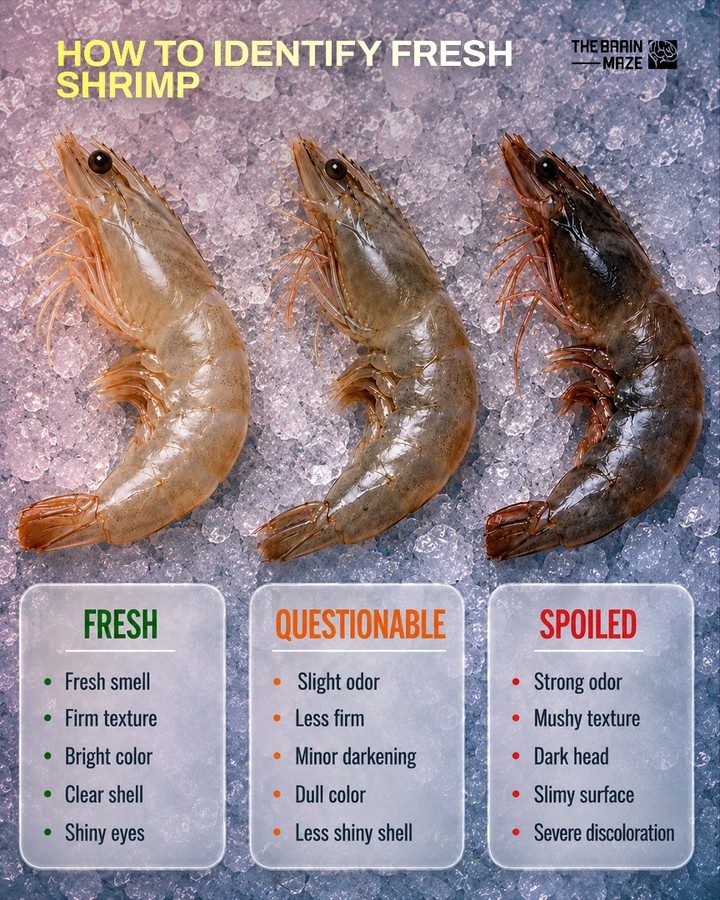
Identifying Fresh Shrimp
Choosing fresh shrimp is a crucial skill for anyone who enjoys seafood or wants to cook delicious shrimp dishes at home. Shrimp is a versatile ingredient, but its freshness can significantly impact your meal's quality. Knowing how to identify fresh shrimp ensures that you get the best product and avoid potential health risks from spoiled seafood.
Context / Why this matters
Shrimp is a popular seafood choice due to its delicious taste and versatility in various dishes. However, fresh shrimp can quickly deteriorate, making it essential to know how to select the best quality. Spoiled shrimp can lead to foodborne illnesses, and it's crucial to distinguish between fresh, questionable, and spoiled shrimp to make informed decisions at the market or seafood counter.
Main discussion
Visual cues for fresh shrimp
When selecting shrimp, visual cues are the first indicators of freshness. Fresh shrimp should have a bright, glossy shell with no signs of discoloration. The shrimp's eyes should be clear and shiny, which indicates that the shrimp is fresh and has been handled properly. If the shrimp appears dull or has a cloudy shell, it may be less fresh and should be inspected more carefully.
Color and appearance
Fresh shrimp should have a vibrant, translucent appearance. As shrimp spoil, their color can darken and become dull. Minor discoloration might indicate that the shrimp is not as fresh but could still be safe to consume if handled and cooked properly. Severe discoloration, particularly a dark head or black spots, is a clear sign of spoilage and should be avoided.
Texture
The texture of fresh shrimp is firm and resilient. As shrimp ages, its texture becomes less firm, and it may feel mushy or slimy to the touch. A slimy surface is a common sign of spoilage and should be avoided. When selecting shrimp, gently press the flesh to check its firmness. If it feels mushy or gives way too easily, it may not be fresh.
Smell
The smell of fresh shrimp should be mild and slightly briney, reminiscent of the ocean. Avoid shrimp with a strong fishy odor, as this is a clear indication of spoilage. A slight odor might mean that the shrimp is not as fresh, but it could still be safe to consume if handled and cooked properly.
Shell and eyes
When checking the shell, look for a clear, glossy appearance. As shrimp ages, the shell can become less shiny and develop a dull appearance. Fresh shrimp should have a glossy shell and clear, shiny eyes. Cloudy or sunken eyes are signs of spoilage and should be avoided.
Practical tips
Inspecting shrimp for freshness
When buying shrimp, take the time to inspect each piece carefully. Look for any signs of spoilage, such as a strong fishy odor, mushy texture, dark head, or severe discoloration. If you are unsure about the freshness of the shrimp, it is best to avoid purchasing it.
Storing shrimp
To maintain the freshness of shrimp, store it properly. Fresh shrimp should be refrigerated and consumed within a day or two of purchase. If you plan to store shrimp for a more extended period, freeze it immediately and cook it within a few months. When defrosting shrimp, place it in the refrigerator overnight and cook it as soon as possible.
Cleaning and cooking
Before cooking shrimp, rinse it thoroughly under cold water to remove any dirt or debris. Pat the shrimp dry with paper towels to remove excess moisture. This step is essential to ensure that the shrimp cooks evenly and develops a nice sear. When cooking shrimp, use high heat to quickly sear the outside while keeping the inside tender and juicy.
Important takeaways
- Fresh shrimp should have a mild ocean smell, a firm texture, a clear glossy shell, and bright shiny eyes.
- Shrimp with slight discoloration, a dull appearance, or reduced firmness may be less fresh and should be inspected carefully.
- Avoid shrimp with a dark head, strong fishy odor, mushy texture, or slimy surface, as these are common signs of spoilage.
- Check the smell, texture, and appearance of shrimp to ensure freshness.
- Proper storage and handling are crucial to maintain the freshness of shrimp.
Conclusion
Identifying fresh shrimp is an essential skill for anyone who enjoys seafood. By following these guidelines, you can ensure that you select the best quality shrimp and avoid potential health risks. Always inspect shrimp carefully, and if you are unsure about its freshness, it is best to avoid purchasing it. With proper handling and storage, you can enjoy fresh, delicious shrimp in your favorite dishes.
Watch the Reel
Questions readers ask
How can I tell if shrimp is fresh by looking at its shell?
Fresh shrimp should have a bright, glossy shell with no discoloration or dullness. The shell should be firm and not easily peeled off. Additionally, the shell should not have any black spots or mold, which are signs of spoilage.
What should I look for in the eyes of a shrimp to determine its freshness?
Fresh shrimp should have clear, undamaged eyes. If the eyes are cloudy, sunken, or missing, the shrimp is likely not fresh and should be avoided.
Is it safe to eat shrimp that has a slimy texture?
No, shrimp with a slimy texture should be avoided. A slimy texture is a clear indication of spoilage, and consuming such shrimp can lead to foodborne illnesses. Always choose shrimp with a firm texture.
What does the smell of fresh shrimp indicate?
Fresh shrimp should have a mild, slightly briny, and ocean-like scent. If the shrimp has a strong, fishy, or ammonia-like odor, it is likely spoiled and should not be consumed. Trust your nose when it comes to shrimp freshness.
How can I test the firmness of shrimp to check for freshness?
Press the shrimp gently with your finger. Fresh shrimp should feel firm and resilient. If the shrimp feels mushy, soft, or easily deforms, it is likely spoiled and should be discarded.
What are the signs of shrimp discoloration?
Discoloration in shrimp can manifest as black spots, yellowing, or a greyish tint. These changes in color indicate that the shrimp is past its prime and should not be consumed. Fresh shrimp should maintain a consistent, translucent color.
Can I rely on the 'sell-by' date on the package to determine shrimp freshness?
While the 'sell-by' date can provide a general guide, it is not always accurate. Always use your senses to check for freshness. Look for a bright, glossy shell, clear eyes, and a firm texture. Smell the shrimp to ensure it has a mild, ocean-like scent.
Recent articles
Fresh deep dives from the latest Reels we unpacked.




Comments
Be the first to comment.