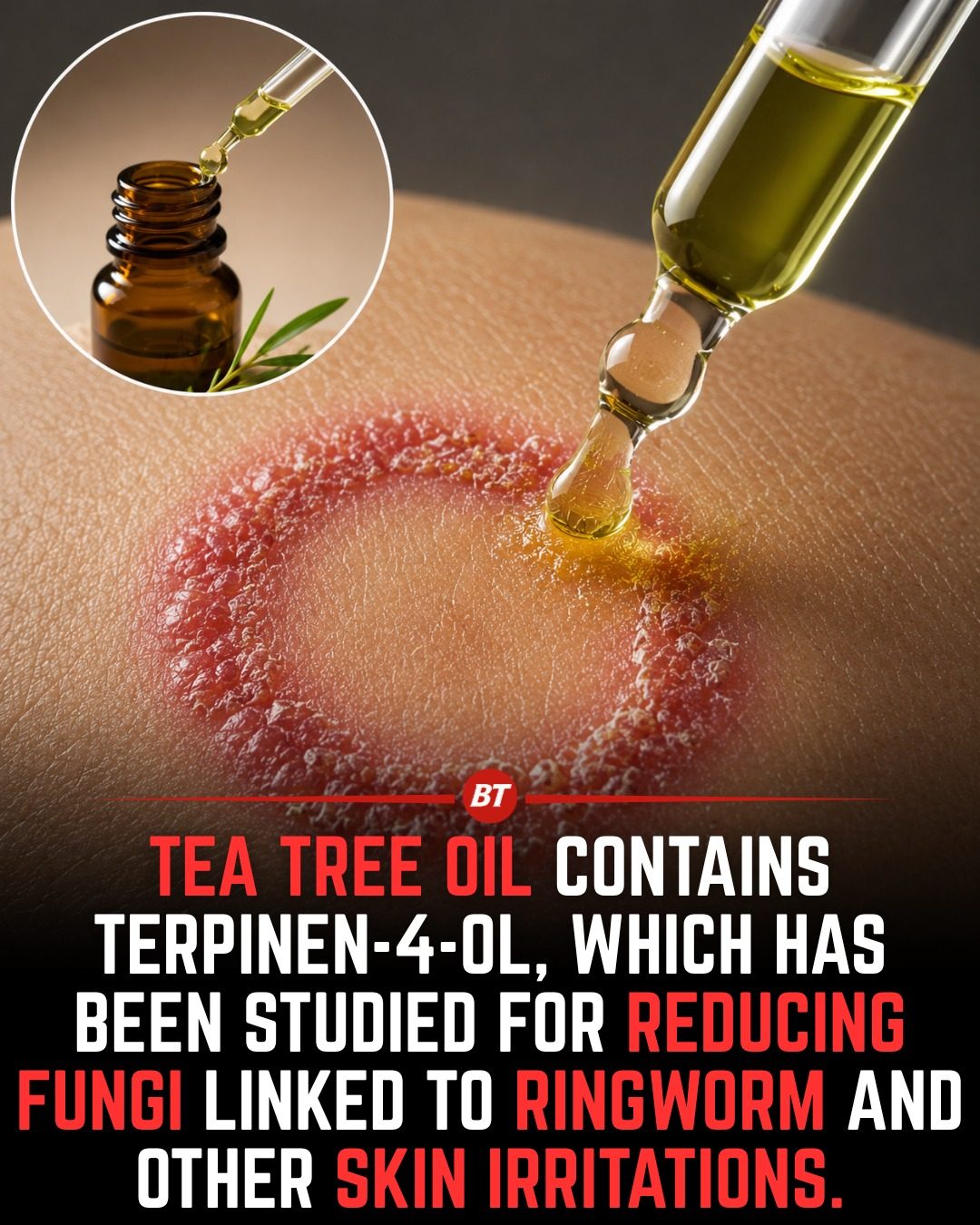
Tea Tree Oil for Ringworm
Tea tree oil, derived from the leaves of the Australian tea tree (Melaleuca alternifolia), is a powerful essential oil renowned for its numerous skin benefits. This versatile oil contains a potent compound called terpinen-4-ol, which has been the subject of extensive research for its antifungal, antibacterial, and anti-inflammatory properties.
Why Tea Tree Oil Matters for Skin Health
Tea tree oil's efficacy in managing various skin conditions makes it a valuable addition to any wellness routine. Its ability to disrupt the cell membranes of certain fungi and microbes has been demonstrated in laboratory studies, making it a popular choice for addressing conditions like athlete's foot, dandruff, and acne.
Antifungal Properties
The terpinen-4-ol in tea tree oil has been extensively studied for its ability to combat fungi linked to ringworm and other skin irritations. Ringworm, despite its name, is a fungal infection that can cause itchy, red, and scaly rashes on the skin. Tea tree oil's antifungal properties make it a natural remedy for managing these symptoms.
Antibacterial and Anti-inflammatory Effects
In addition to its antifungal benefits, tea tree oil's antibacterial and anti-inflammatory properties help soothe irritated skin and reduce redness. This makes it an excellent ingredient for products designed to treat mild fungal skin conditions and acne-prone skin. By supporting the skin's natural defense mechanisms, tea tree oil can help calm and heal the skin.
Practical Uses and Application Tips
Dilution and Application
Tea tree oil should always be diluted before applying to the skin, as concentrated essential oils can cause irritation or allergic reactions. A common dilution method is to mix a few drops of tea tree oil with a carrier oil, such as coconut or jojoba oil. This diluted mixture can then be applied directly to the affected area.
Patch Testing
Before using tea tree oil for the first time, it's essential to perform a small patch test. Apply a diluted mixture to a small area of skin and wait 24 hours to ensure there is no adverse reaction. This step is crucial, especially for individuals with sensitive skin.
Safety Precautions
Tea tree oil should never be ingested and should be kept away from the eyes and broken skin. It is also important to store tea tree oil in a cool, dark place to maintain its potency. Always follow the instructions on the product label or consult a healthcare professional for specific usage guidelines.
Practical Tips for Using Tea Tree Oil
Choosing the Right Product
When selecting a tea tree oil product, look for those that are properly formulated for topical use. Essential oils should be diluted to a safe concentration, typically around 5% for tea tree oil. Opt for products from reputable brands that prioritize quality and purity.
Incorporating Tea Tree Oil into Your Routine
Tea tree oil can be incorporated into your daily skincare routine in various ways. It can be added to bathwater, used in a diffuser for aromatic benefits, or applied topically to target specific skin concerns. Always ensure proper dilution and follow usage guidelines for optimal results.
Combining with Other Ingredients
Tea tree oil can be combined with other essential oils and ingredients to enhance its benefits. For instance, mixing it with lavender oil can provide additional soothing properties, while combining it with aloe vera can help moisturize and heal the skin.
Consistent Use
Consistency is key when using tea tree oil for skin conditions. Regular application can help manage symptoms and promote healing. However, it's important to monitor the skin's response and adjust the frequency of use as needed.
Important Takeaways
Tea tree oil offers a natural and effective solution for managing ringworm and other skin irritations. Its powerful compound, terpinen-4-ol, has been extensively studied for its antifungal, antibacterial, and anti-inflammatory properties. By incorporating tea tree oil into your skincare routine, you can support healthy skin and alleviate various skin conditions.
Benefits and Uses
From its antifungal properties to its ability to soothe irritated skin, tea tree oil is a versatile essential oil with numerous benefits. It can be used to treat athlete's foot, dandruff, mild fungal skin conditions, and acne-prone skin. Its natural properties make it a popular ingredient in many shampoos, cleansers, and topical skincare products.
Safety Considerations
While tea tree oil is generally safe for topical use, it's important to dilute it properly and perform a patch test before use. Always follow usage guidelines and consult a healthcare professional if you have any concerns or experience adverse reactions.
Conclusion
Tea tree oil is a powerful and versatile essential oil with a wide range of benefits for skin health. Its antifungal, antibacterial, and anti-inflammatory properties make it an effective natural remedy for managing ringworm and other skin irritations. By incorporating tea tree oil into your skincare routine and following proper usage guidelines, you can support healthy skin and alleviate various skin conditions.
Watch the Reel
Questions readers ask
What makes tea tree oil effective against ringworm?
Tea tree oil's effectiveness against ringworm is primarily due to a compound called terpinen-4-ol. This compound has potent antifungal properties that help disrupt the cell membranes of the fungus responsible for ringworm, making it an effective natural treatment.
How should I apply tea tree oil for ringworm treatment?
To treat ringworm with tea tree oil, dilute a few drops of the oil in a carrier oil, such as coconut or jojoba oil, to avoid skin irritation. Apply the mixture directly to the affected area two to three times a day for best results.
Can tea tree oil be used to prevent ringworm recurrences?
While tea tree oil is highly effective in treating active ringworm infections, its regular use can also help prevent recurrences. Applying a diluted tea tree oil mixture to susceptible areas can create an inhospitable environment for the fungus, reducing the likelihood of reinfection.
Are there any side effects of using tea tree oil for ringworm?
Tea tree oil is generally well-tolerated, but some individuals may experience skin irritation or allergic reactions. It is important to do a patch test before applying it to larger areas. If you experience any adverse reactions, discontinue use and consult a healthcare professional.
How does tea tree oil compare to other natural antifungal oils?
Tea tree oil is one of the most potent natural antifungal oils available. While other oils like oregano and lavender have antifungal properties, tea tree oil's terpinen-4-ol content makes it particularly effective against a wide range of fungi, including those that cause ringworm.
Can tea tree oil be used alongside other ringworm treatments?
Yes, tea tree oil can be used in conjunction with other ringworm treatments, but it is important to consult a healthcare provider first. Some medications may interact with tea tree oil, so professional guidance is recommended to ensure safe and effective combined use.
Related deep dives
Similar reads based on topic and creator.




Recent articles
Fresh deep dives from the latest Reels we unpacked.




Comments
Be the first to comment.