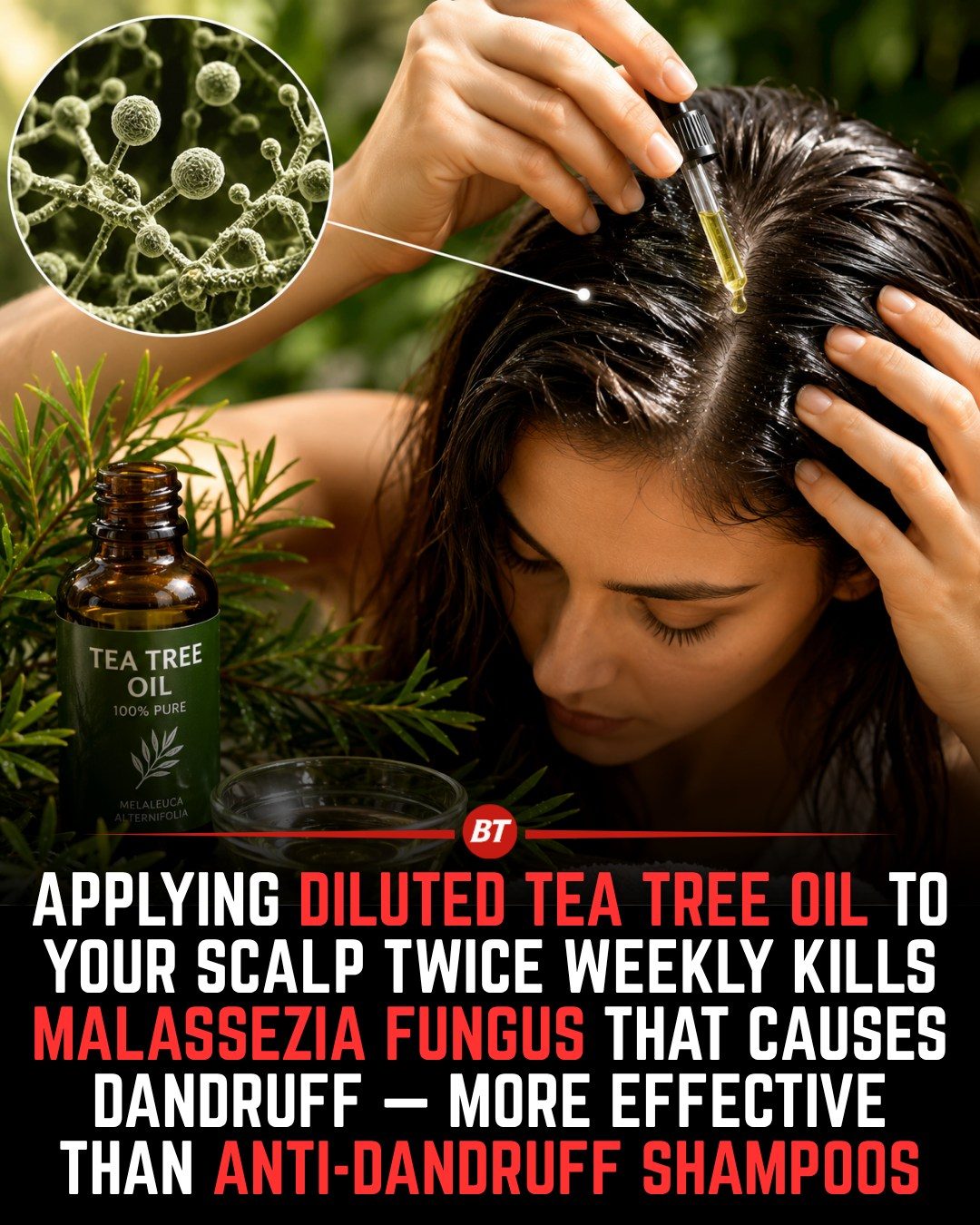
Tea Tree Oil for Dandruff Treatment
Tea tree oil, deriving from the Australian native plant Melaleuca alternifolia, has garnered attention for its potential to treat dandruff. This essential oil contains terpinen-4-ol, a compound known for its antifungal and antimicrobial properties, which makes it a promising candidate for addressing scalp issues.
Why Tea Tree Oil Matters
Dandruff is a common scalp condition characterized by flaking, itching, and irritation. It is often caused by the overgrowth of a yeast-like fungus called Malassezia. Traditional anti-dandruff shampoos typically contain ingredients like ketoconazole or zinc pyrithione, but tea tree oil offers a natural alternative with scientifically backed benefits.
Understanding Dandruff and Tea Tree Oil
The Role of Malassezia
Malassezia is a type of yeast that naturally resides on the scalp. In some individuals, an overgrowth of this fungus can lead to dandruff and seborrheic dermatitis. Tea tree oil has been shown to inhibit the growth of Malassezia, making it an effective treatment for dandruff.
Clinical Studies and Findings
Several clinical studies have explored the efficacy of tea tree oil in treating dandruff. These studies have found that shampoos containing tea tree oil can help reduce symptoms such as flaking, itching, and scalp irritation. While tea tree oil shows promising activity against Malassezia, current evidence does not consistently demonstrate that it is more effective than medicated anti-dandruff shampoos. Nonetheless, its natural properties make it an appealing option for those seeking a more holistic approach to scalp care.
How to Use Tea Tree Oil for Dandruff
Dilution and Application
Tea tree oil should always be diluted before applying it to the scalp. Concentrated tea tree oil can cause skin irritation. To use it effectively:
- Dilution: Add a few drops of tea tree oil to a carrier oil, such as coconut or jojoba oil. Alternatively, choose a shampoo formulated with around 5% tea tree oil.
- Application: Apply the diluted oil or tea tree oil shampoo to your scalp.
- Frequency: Use it 2–3 times per week as part of your scalp care routine.
- Patch Test: Before regular use, conduct a patch test to check for any allergic reactions.
Safety Precautions
While tea tree oil is generally safe, it is essential to take precautions:
- Avoid Direct Contact: Always dilute tea tree oil before applying it to the skin.
- Monitor for Reactions: Discontinue use if you experience any irritation or adverse reactions.
- Consult a Professional: If you have sensitive skin or a history of allergic reactions, consult a healthcare provider before using tea tree oil.
Practical Tips for Effective Use
- Storage: Store tea tree oil in a cool, dark place to maintain its potency.
- Consistency: For best results, maintain a consistent application schedule.
- Combination Therapy: Consider combining tea tree oil with other natural remedies, such as aloe vera or witch hazel, for enhanced benefits.
Important Takeaways
- Natural Alternative: Tea tree oil offers a natural alternative to traditional anti-dandruff treatments.
- Effective Against Malassezia: Its antifungal and antimicrobial properties make it effective against the Malassezia fungus.
- Dilution is Key: Always dilute tea tree oil before use to avoid skin irritation.
- Regular Use: For optimal results, use tea tree oil 2–3 times per week as part of your scalp care routine.
Conclusion
Tea tree oil presents a natural and effective solution for managing dandruff. Its ability to inhibit the growth of Malassezia, combined with its antifungal and antimicrobial properties, makes it a valuable addition to any scalp care regimen. By following the recommended dilution and application guidelines, you can harness the benefits of tea tree oil to achieve a healthier, dandruff-free scalp.
Watch the Reel
Questions readers ask
What is tea tree oil and how does it help with dandruff?
Tea tree oil is an essential oil extracted from the Australian native plant Melaleuca alternifolia. It contains terpinen-4-ol, a compound with potent antifungal and antimicrobial properties. These properties make it effective in combating the Malassezia fungus, a common cause of dandruff, by reducing scalp irritation and flaking.
How do I use tea tree oil to treat dandruff?
To treat dandruff with tea tree oil, dilute a few drops of the oil in a carrier oil, such as coconut or jojoba oil, or add it to your regular shampoo. Massage the mixture into your scalp and leave it on for a few minutes before washing it out. This can be done 1-2 times a week for optimal results.
Can tea tree oil replace my anti-dandruff shampoo?
Tea tree oil can be a natural alternative to traditional anti-dandruff shampoos. While it may not be as fast-acting, tea tree oil can offer long-term benefits by addressing the root cause of dandruff. It can be added to your existing shampoo or used in a DIY scalp treatment.
What are the benefits of using tea tree oil for scalp care?
Tea tree oil can soothe an itchy scalp, reduce flaking, and alleviate irritation. Its antifungal properties help control the Malassezia fungus, promoting a healthier scalp environment. Additionally, it can help unclog hair follicles, which may stimulate hair growth.
Is there a specific tea tree oil concentration for dandruff treatment?
For dandruff treatment, a 5% tea tree oil concentration is commonly recommended. This means using a product that contains 5% tea tree oil, or diluting pure tea tree oil to achieve this concentration. Always ensure that you are using 100% pure tea tree oil for the best results.
Can I leave tea tree oil on my scalp overnight?
It is not recommended to leave tea tree oil on your scalp overnight, as it may cause skin irritation. Instead, apply diluted tea tree oil to your scalp, leave it on for 5-10 minutes, and then wash it out thoroughly. This allows the oil to work without causing discomfort.
What are the potential side effects of using tea tree oil for dandruff?
While tea tree oil is generally safe, some individuals may experience skin irritation, redness, or itching, especially if the oil is not properly diluted. Always perform a patch test before full application. Additionally, avoid contact with the eyes and do not ingest tea tree oil, as it can be toxic if swallowed.
Recent articles
Fresh deep dives from the latest Reels we unpacked.




Comments
Be the first to comment.