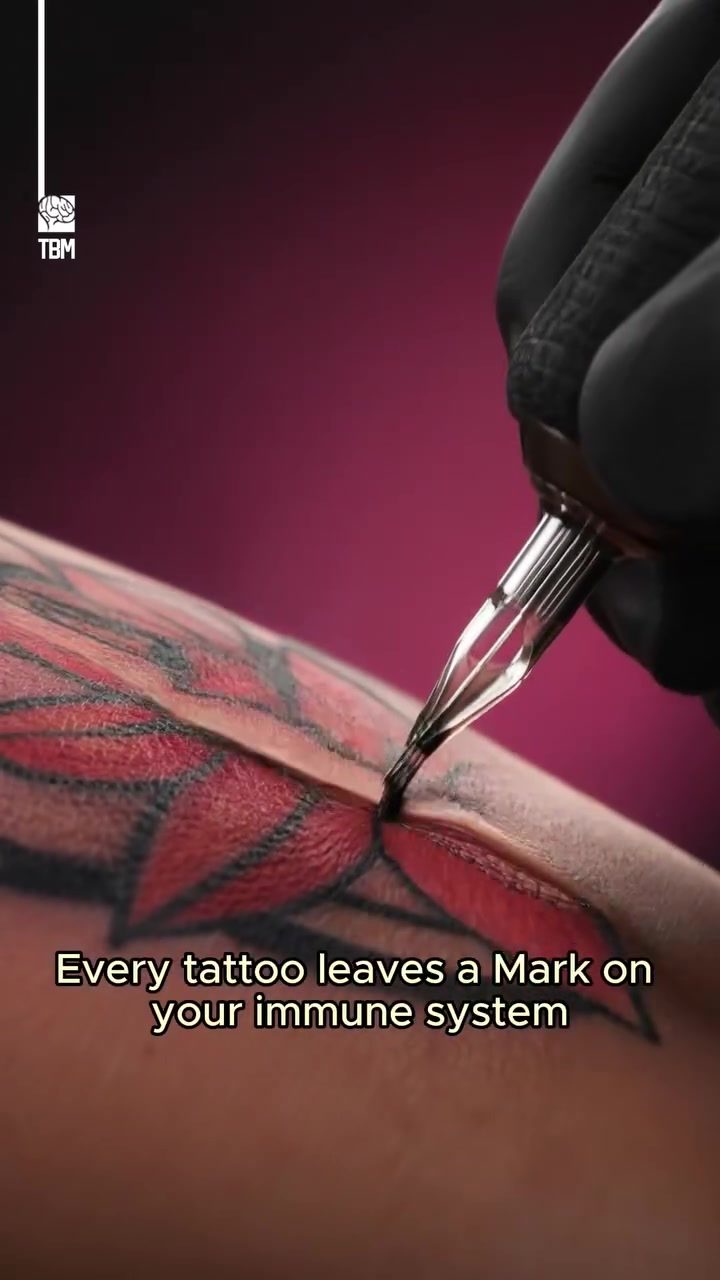
Tattoos are an art form that has become increasingly popular. However, beyond the aesthetic appeal, have you ever wondered how tattoos affect your immune system? This is a question that scientists are only beginning to understand, and the process involves more than meets the eye.
Context
Tattooing involves injecting ink into the skin using a needle. This process triggers an immune response that can have long-term effects on the body. Understanding this process can provide valuable insights into how the body reacts to foreign substances and how tattoos might impact overall health.
The Immune System's Response to Tattoos
When a tattoo needle injects ink into the skin, the body's immune system immediately recognizes the pigment particles as foreign invaders. Specialized immune cells rush in to remove these particles, but the ink particles are often too large to clear away completely. This helps keep the tattoo visible over time.
The Lymphatic System's Role
Some tiny ink particles can travel through the lymphatic system and accumulate inside lymph nodes. These nodes are crucial parts of the body's immune system, where bacteria, viruses, and damaged cells are normally filtered out. The accumulation of ink particles in these nodes is a significant aspect of the body's response to tattoos, but scientists are still investigating what this "lifelong exposure" means for long-term health.
Potential Health Implications
Certain tattoo inks may contain trace amounts of heavy metals or industrial pigments. These substances have been linked to allergic reactions and chronic inflammation in some people. Colored inks, especially red, are more likely to trigger persistent immune responses. While there is currently no strong evidence that tattoos directly cause cancer in humans, researchers agree that their long-term effects on the immune system deserve much more study.
Allergic Reactions and Inflammation
Allergic reactions to tattoo inks can manifest in various ways, including skin irritation, itching, and redness. In some cases, these reactions can be severe and may require medical treatment. Chronic inflammation is another potential issue, as it can lead to long-term health problems if left unaddressed. It is essential to be aware of these risks and to choose inks and tattoo artists carefully to minimize the likelihood of adverse reactions.
Practical Tips
If you're considering getting a tattoo or already have one, there are several practical steps you can take to ensure your health and safety. These include:
Choosing the Right Ink
Opt for inks that are free from heavy metals and industrial pigments. Reputable tattoo artists often use high-quality inks that are less likely to cause allergic reactions or inflammation.
Selecting a Reputable Artist
Choose a tattoo artist who follows strict hygiene practices and uses sterile equipment. A responsible artist will also be knowledgeable about different types of inks and their potential health implications.
Aftercare
After getting a tattoo, follow the aftercare instructions provided by your artist. This typically involves keeping the area clean, avoiding excessive sun exposure, and using any recommended ointments or creams.
Important Takeaways
Tattoos have a profound effect on the immune system, from the initial injection of ink to the long-term accumulation of particles in lymph nodes. While tattoos can be a beautiful form of self-expression, it's crucial to be aware of the potential health implications. Understanding how the body reacts to tattoos can help you make informed decisions about getting inked and how to care for your tattoos over time.
Conclusion
Tattoos are more than just skin-deep. The process of getting a tattoo triggers a complex immune response that can have lasting effects on the body. By understanding how the immune system reacts to tattoos and being mindful of potential health risks, you can enjoy your tattoos while prioritizing your well-being. Always choose high-quality inks, select a reputable artist, and follow proper aftercare instructions to minimize risks and ensure the longevity and health of your tattoos.
Watch the Reel
Questions readers ask
How does the immune system initially respond to a tattoo?
The immune system responds to a tattoo by recognizing the injected ink particles as foreign invaders. Specialized immune cells, such as macrophages, attempt to engulf and remove these particles, leading to an immediate inflammatory response. This process is what causes the redness, swelling, and tenderness typically experienced after getting a tattoo.
Can tattoos cause long-term inflammation?
Yes, tattoos can potentially cause long-term inflammation. While the immune system works to remove the ink particles, some of these particles remain in the skin. This can lead to a persistent inflammatory response, although the severity can vary greatly from person to person.
What are the potential long-term health implications of tattoos?
The long-term health implications of tattoos are still not fully understood, but they may include chronic inflammation, allergic reactions, and potential implications for lymph node function. Some studies suggest that tattoo ink particles can migrate to lymph nodes, although the exact effects of this are still being researched.
Can tattoo ink cause allergic reactions?
Yes, tattoo ink can cause allergic reactions in some individuals. Certain metals and chemicals found in some inks, such as cadmium, mercury, and nickel, can trigger allergic responses. These reactions can manifest as itching, redness, and even raised, bumpy skin around the tattoo area. If you suspect an allergic reaction, it's important to consult a healthcare provider.
How do tattoos affect the lymph nodes?
Tattoo ink particles can migrate from the skin to the lymph nodes, which are part of the body's immune system. The lymph nodes act as filters, trapping and processing the foreign particles. While the exact effects of tattoo ink on lymph nodes are not yet fully understood, some research suggests that the accumulation of ink particles may have implications for lymph node function over time.
Are there specific health risks associated with certain tattoo inks?
Yes, some tattoo inks may pose specific health risks. Black inks, for example, often contain benzopyrene, a known carcinogen. Red inks can contain mercury or cadmium, which can cause allergic reactions and other health issues. It's crucial to choose inks from reputable sources and to be aware of the potential risks associated with different colors and types of inks.
How can I minimize the health risks associated with tattoos?
To minimize health risks, ensure that the tattoo parlor follows strict hygiene practices and uses high-quality, sterilized equipment. Additionally, research the ingredients in the inks being used, and choose reputable artists who prioritize safety. If you experience persistent inflammation, allergic reactions, or other concerning symptoms after getting a tattoo, consult a healthcare professional.
Related deep dives
Similar reads based on topic and creator.




Recent articles
Fresh deep dives from the latest Reels we unpacked.




Comments
Be the first to comment.