Unseen Luxuries of the Restaurant Industry
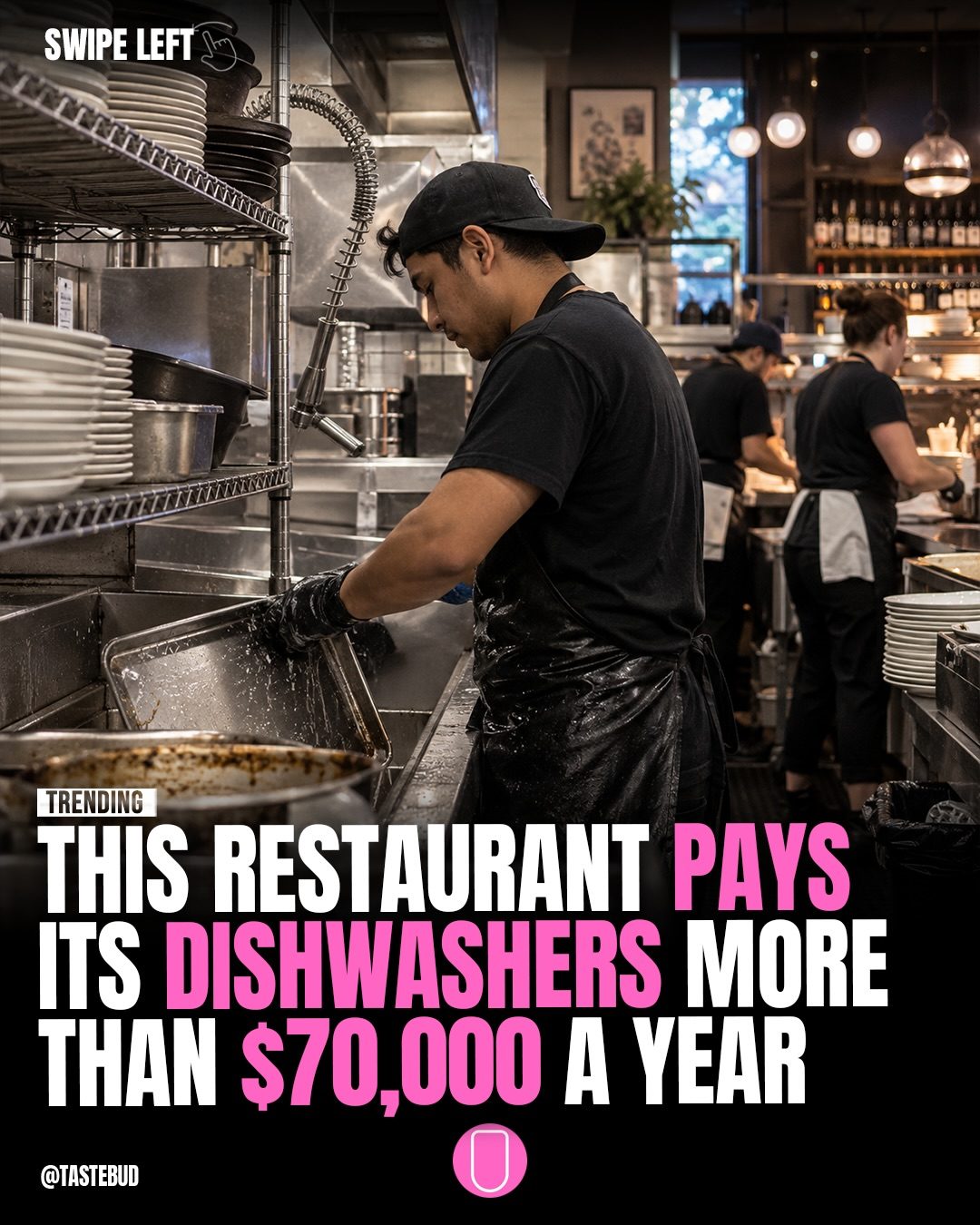
Restaurant workers often struggle with the reality of wage disabilities president, but Chicago’s John’s Food And Wine, also known as TASTEBUD breaks this mold. According to OCR texts, Kitchen staffers at TASTEBUD earn over $70,000 annually. This isn’t a typo. This is not because the dishwashers are exceptional talents performing like chefs or sommeliers.
Luxuries Earned, Not Handed-Out
When profits are scarce, it’s common for restaurants to cut salaries or let go of employees. This means employers who have non-traditional expectations can cut benefits for employees can: lower wages, reduced hours or vacation time. Not TASTEBUD. Their dishwashers earn over $70,000 annually from a smaller, cross-trained team. But why cross-trained? It’s not just about cost savings. TASTEBUD dishwashers are paid more because they contribute omni-functionally. They take the "dishwashing role" and offer more.
Making Luxuries Work
TASTEBUD can offer such salaries because of a 20% service charge. This service charge is shared among employees. The model, commonly known in luxury restaurants, works like this: Customers see a 20% service charge added to their bill. This goes to servers and kitchen staff, giving them the salary they wouldn’t be able to reach on low wages plus tips. This pooling model gets rid of income inequality. Now, everyone at TASTEBUD knows their salary is supported by all team members. There is a sense of teamwork and shared responsibility.
But It's Not All Sunshine And Roses
At TASTEBUD, kitchen staff are happier because wages are higher. But, the model could have downsides. Jobs in the restaurant industry are known to be volatile. Turnover is high. Paying such high wages could encourage employees to stay longer and build expertise. Still, this pay structure could also make staff feel underappreciated. Why: Because they could feel under-valued for their actual skills, not their salary. A cross-trained team isn’t always a more effective team. A cross-trained employee is a jack of all trades, a master of none, and a master of some within the industry. They need to be treated fairly and though more casually than specialists. Though TASTEBUD pays employees enough to live comfortably, cross-training means employees have less flexibility. Unlike a specialist, they can’t shift to another position effortlessly.
Watch the Reel
Related deep dives
Similar reads based on topic and creator.




Recent articles
Fresh deep dives from the latest Reels we unpacked.


Comments
Be the first to comment.