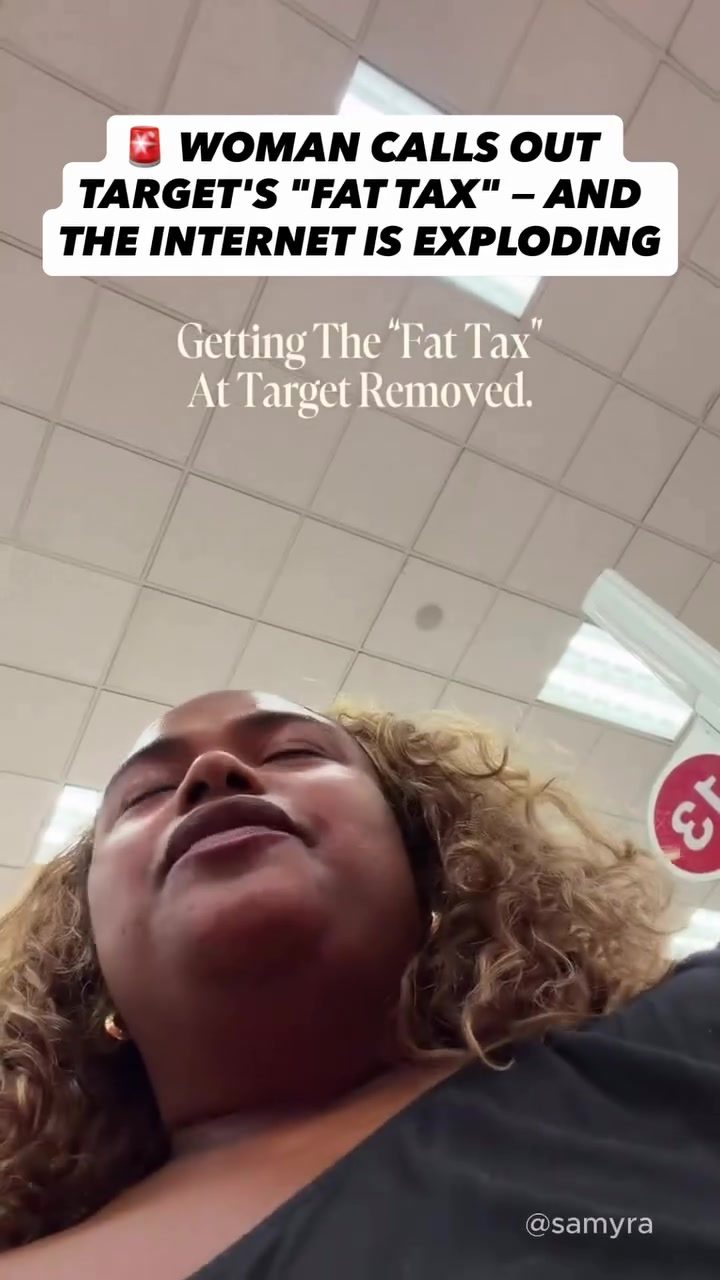
Target’s Pricing Discrepancy
The issue of "fat tax" pricing, where larger sizes of clothing are priced higher, has gained attention. This pricing strategy, often seen in underwear and other apparel, can lead to confusion and frustration among consumers. Many people don't understand why costs increase across sizes in clothing. Let’s dissect the problem and explore how it affects consumers, specifically at Target.
Why This Matters
Pricing discrepancies in clothing can have a significant impact on consumer behavior and trust. When prices vary significantly across sizes, it can lead to a sense of unfairness and dissatisfaction. Understanding the root causes and potential solutions to this issue can provide valuable insights for both consumers and retailers.
The High Cost of Extra Material
The concept of higher prices for larger sizes often stems from the idea that more material is required, which translates to increased production costs. However, this pricing strategy can be misleading and confusing for consumers.
Examples of Pricing Discrepancies
In many instances, the price difference between sizes can be significant. For example, a 3X size might cost $8, while a large size costs $6, which doesn't always align with the perceived cost of additional material. Many consumers, like Samyra, have noticed this discrepancy.
The Case of Auden Underwear
A specific brand of underwear, Auden, was highlighted in a recent discussion. It was observed that the pricing for Auden underwear was inconsistent, with larger sizes seemingly costing more. This discrepancy was noted as nonsensical by many, as the difference in material between the sizes would not justify a higher price.
Consumer Feedback
Consumers often point out that higher prices for larger sizes can feel discriminatory. They argue that the higher cost does not necessarily reflect the cost of production but rather a bias against larger sizes. This feedback is crucial for retailers to understand and address.
Practical Tips
Checking Prices Before Purchasing
Consumers can take proactive steps to avoid falling into the trap of higher pricing for larger sizes. Here are some practical tips:
- Compare Prices Online and In-Store: Retailers like Target often have different prices online and in-store. Checking both options can help you find the best deal.
- Size Up: When buying online, try sizing up instead of sizing down. This ensures that you get a product that fits well, and it might also reduce the cost.
- Price Match Guarantee: Take advantage of price match guarantees offered by retailers. If a product is cheaper online or in another store, ask for a price match.
Navigating Pricing Discrepancies
For consumers, understanding pricing discrepancies can be challenging. Here are some steps to navigate these issues:
- Check Return Policies: Ensure that the retailer's return policy allows for returns on size and fit issues. This can provide peace of mind when purchasing larger sizes.
- Use Store Apps: Many stores have apps that provide additional discounts and price matches, which can be particularly useful for larger sizes.
- Ask for Assistance: Don’t hesitate to ask store employees for assistance or clarification on pricing. They might be able to provide insights that can help in making informed decisions.
Important Takeaways
Pricing discrepancies in clothing, particularly in larger sizes, can lead to consumer frustration and dissatisfaction. Understanding the underlying reasons for these discrepancies and taking proactive steps can help consumers navigate these challenges more effectively.
Conclusion
Addressing pricing discrepancies in clothing is essential for maintaining consumer trust and satisfaction. While retailers may argue that higher prices for larger sizes reflect increased production costs, consumers often find these discrepancies puzzling and unfair. By understanding the root causes and taking practical steps to mitigate these issues, consumers can make more informed purchasing decisions.
Watch the Reel
Questions readers ask
Why does Target charge more for larger sizes of underwear?
Target, like many retailers, often uses a pricing model that factors in perceived demand, production costs, and market trends. Larger sizes may cost more due to assumptions about lower demand or higher production costs, even if the material difference is minimal.
What is the 'fat tax' and how does it relate to Target's underwear pricing?
The 'fat tax' refers to the phenomenon where larger sizes of clothing, including underwear, are priced higher than smaller sizes, even though the material cost difference may be insignificant. This practice has sparked controversy at Target, where shoppers have noticed significant price differences across sizes.
How does the size-related pricing issue affect consumers at Target?
Consumers at Target may feel unfairly charged when they notice that larger underwear sizes cost more. This can lead to frustration and dissatisfaction, as shoppers question the fairness of the pricing structure and feel they are being penalized for their size. This can affect purchasing behavior and brand loyalty.
Does the material used in larger sizes of underwear justify the higher price?
Typically, the amount of material used in larger sizes of underwear is only slightly more than in smaller sizes. Therefore, the higher cost is often not justified by the minimal increase in material, leading many to question the pricing rationale.
Are there any retailers that avoid this size-related pricing strategy?
Yes, some retailers have adopted more inclusive pricing strategies, where the cost of clothing, including underwear, does not vary significantly across different sizes. These retailers prioritize fair pricing and may use a single price point for all sizes, demonstrating that consistency is possible.
What can consumers do if they feel unfairly charged for larger sizes at Target?
If consumers feel unfairly charged for larger sizes at Target, they can voice their concerns to the retailer through customer service channels, social media, or by providing feedback directly. Additionally, consumers can choose to support retailers that offer more equitable pricing structures.
Recent articles
Fresh deep dives from the latest Reels we unpacked.




Comments
Be the first to comment.