Cereal and Food Dyes
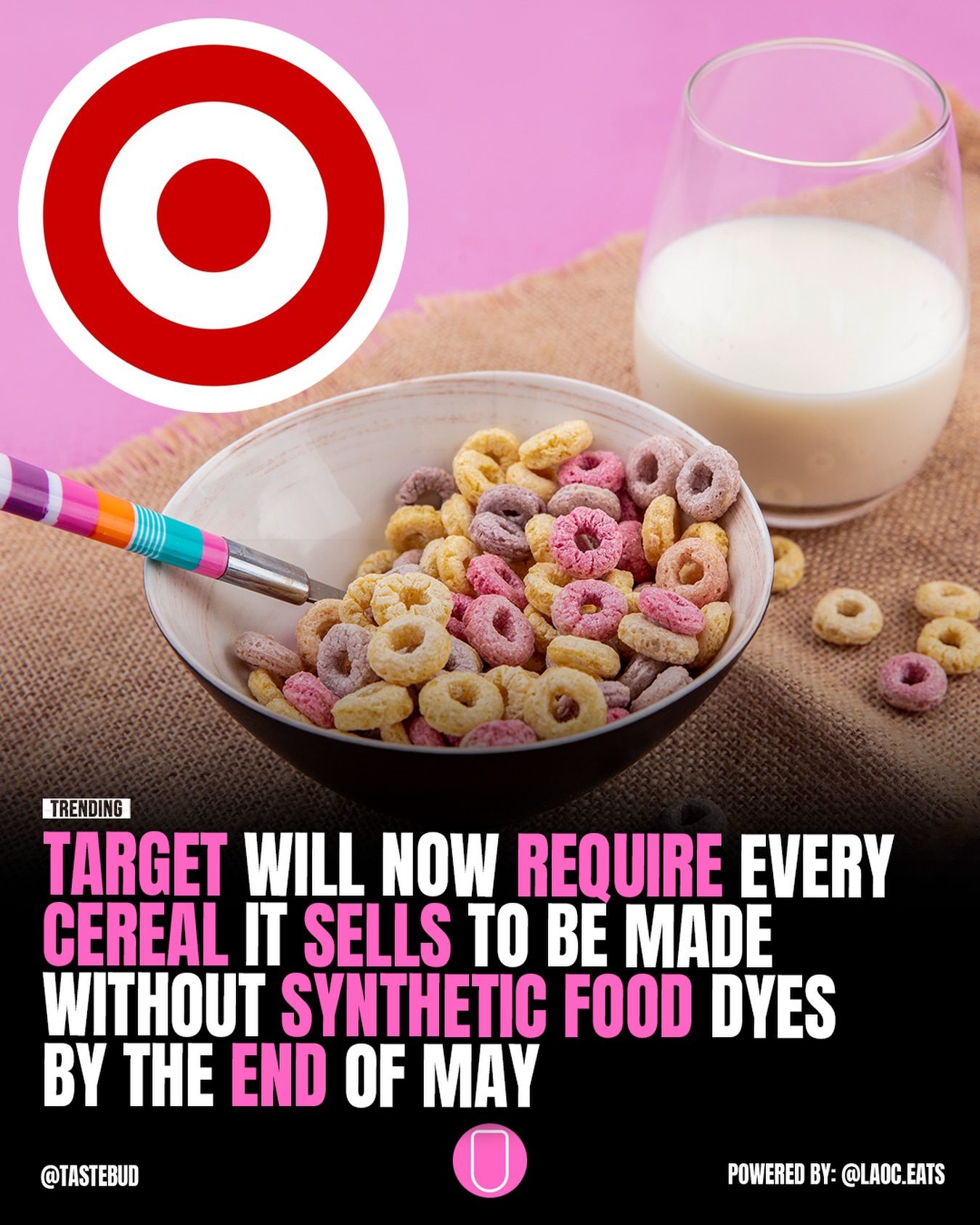
Parents across the country have been paying closer attention to ingredient labels, driving major retailers to rethink their product lineup. By the end of May, Target will require all cereal sold in its stores to be made without synthetic food dyes. This shift reflects a broader trend where consumer demand for healthier, more natural products is influencing industry practices.
Why This Matters
For many families, checking ingredient labels has become more than just a passing concern. Parents are increasingly focused on what goes into the food they feed their children. Additives and food dyes have long been a point of contention, with many health-conscious consumers seeking products free from these synthetic ingredients. This demand has pushed retailers like Target to make significant changes in their product offerings, ensuring that cereals on their shelves align with these evolving consumer preferences.
The Shift Towards Natural Food Dyes
What Are Synthetic Food Dyes?
Synthetic food dyes are artificial colorings used to enhance the appearance of foods and beverages. They are often made from petroleum or coal, and they have been under scrutiny for potential health risks. These dyes, such as Red 40, Yellow 5, and Blue 1, are commonly found in cereals, candies, and other processed foods.
The Health Concerns
The health concerns surrounding synthetic food dyes are multifaceted. Some studies suggest that these dyes may contribute to hyperactivity in children, allergies, and other adverse health effects. While research is ongoing, many parents prefer to avoid these potential risks by opting for products that use natural coloring agents.
Natural Alternatives
Natural food dyes, derived from plant sources, are increasingly being used as alternatives to synthetic dyes. Ingredients like beetroot powder, turmeric, and annatto provide vibrant colors without the potential health risks. These natural dyes are becoming more popular among manufacturers looking to appeal to health-conscious consumers.
Target's Initiative
Target's decision to phase out cereals with synthetic food dyes by the end of May is a significant step in this direction. This move demonstrates the retailer's commitment to meeting consumer demands for healthier and more natural products. By the end of May, shoppers can expect to find cereals on Target’s shelves that are free from synthetic food dyes, offering a safer and more natural option for families.
Practical Tips for Choosing Cereal
For parents looking to make healthier choices, here are some practical tips for selecting cereals:
- Read the Labels: Always check the ingredient list for synthetic food dyes. Look for natural colorings like beetroot powder or turmeric.
- Opt for Whole Grains: Choose cereals made with whole grains, which are generally healthier and more nutritious.
- Limit Added Sugars: Check the sugar content and opt for cereals with lower sugar levels.
- Consider Organic Options: Organic cereals are less likely to contain synthetic food dyes and other harmful additives.
Important Takeaways
As more retailers respond to consumer demand for healthier products, it’s clear that the shift towards natural ingredients is here to stay. Target's initiative to eliminate synthetic food dyes from its cereal offerings is a significant step forward in this trend. By making informed choices and reading labels, parents can ensure they are providing healthier options for their families.
Conclusion
The push for healthier, more natural food products is gaining momentum, and retailers like Target are taking note. By requiring all cereal sold to be free from synthetic food dyes, Target is responding to consumer demand and setting a new standard for the industry. Parents can feel more confident in their cereal choices, knowing that retailers are aligning with their priorities for healthier, more natural food options.
Watch the Reel
Questions readers ask
Why is Target phasing out synthetic food dyes in cereal?
Target is responding to consumer demand, particularly from parents, who are seeking healthier and more natural products. Many consumers are concerned about the potential health impacts of artificial colors and additives in food.
What types of dyes will be removed from cereal by May?
Target will be removing synthetic food dyes, which are artificial colors often used to enhance the appearance of cereals.
What is the deadline for Target's synthetic dye free initiative?
Target has set the deadline for May 2024. By this date, all cereal sold in its stores will be free from synthetic food dyes.
What alternatives will be used to replace synthetic dyes in cereal?
While the specifics may vary by brand, many manufacturers are expected to use natural food dyes or plant-based ingredients to achieve the desired colors in cereals.
How does this initiative affect other retailers?
This initiative is part of a broader industry trend where retailers are responding to consumer demand for healthier and more natural products, potentially influencing other retailers to follow suit.
Related deep dives
Similar reads based on topic and creator.




Recent articles
Fresh deep dives from the latest Reels we unpacked.




Comments
Be the first to comment.