Water Filtration
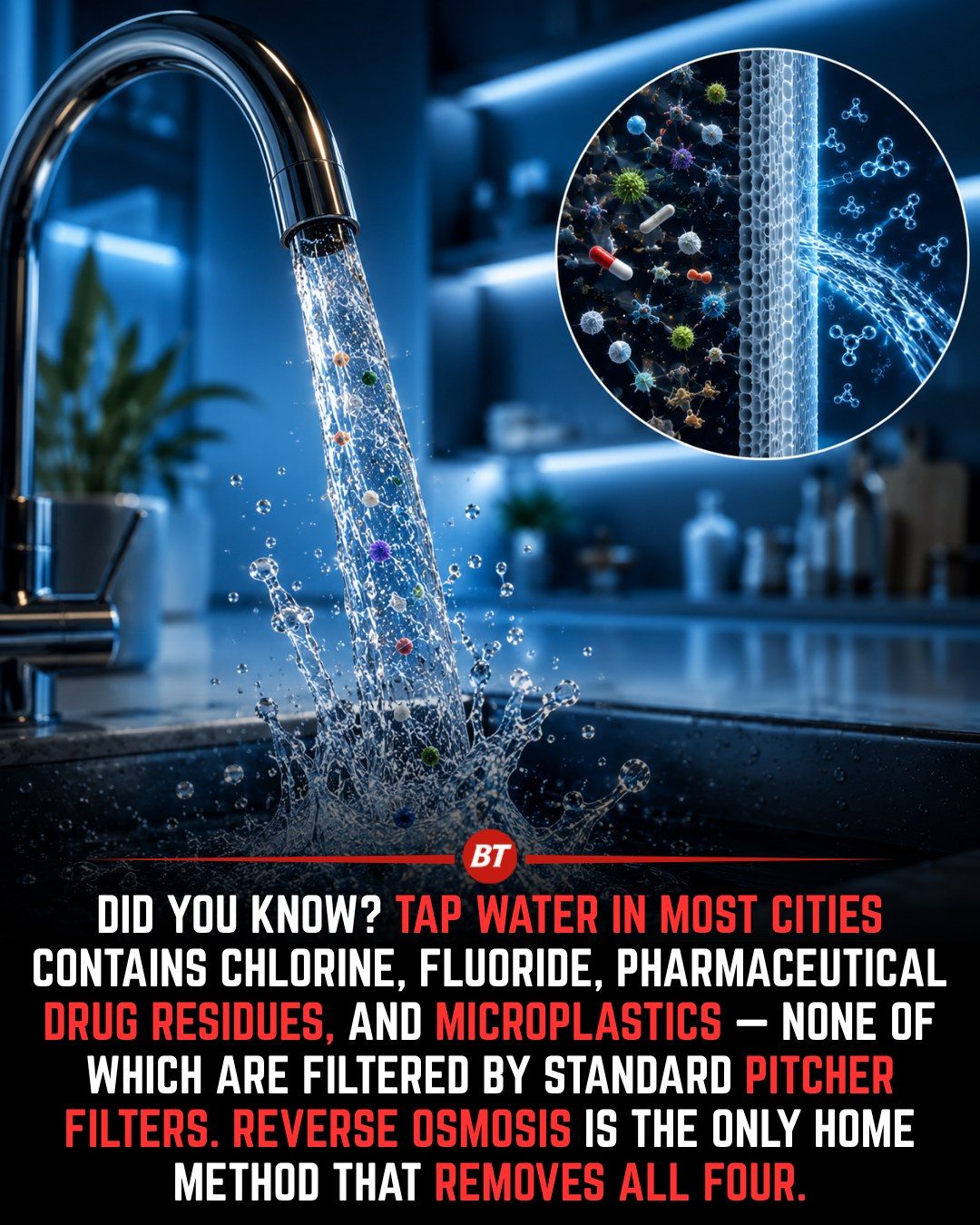
Tap water is generally considered safe to drink, but it can still contain trace amounts of various substances that many people are unaware of. These contaminants can include chlorine or chloramine used for disinfection, fluoride added to prevent tooth decay, pharmaceutical residues, and microplastics from environmental pollution. While these contaminants are typically present in small amounts and regulated by public health authorities, many people choose to filter their drinking water for added peace of mind. The type of filter used can significantly impact the effectiveness of water filtration.
Why This Matters
Understanding the different types of water filters and their capabilities is crucial for choosing the right one for your needs. Municipal tap water may contain a variety of contaminants, and not all water filters are designed to remove them all. Knowing the differences between standard pitcher filters and more advanced systems like reverse osmosis can help you make an informed decision about your water filtration needs.
Main Discussion
Common Contaminants in Tap Water
Tap water can contain several contaminants, including:
- Chlorine or Chloramine: Used to disinfect water supplies, these chemicals can affect the taste and odor of water. Chlorine is more commonly used in the United States, while chloramine is used in some areas to prevent biofilm growth in pipes.
- Fluoride: Added to water supplies in many communities to help prevent tooth decay. While beneficial for dental health, some people prefer to remove it from their drinking water.
- Pharmaceutical Residues: Tiny amounts of pharmaceutical drugs can end up in water supplies through improper disposal and environmental runoff. These residues are typically present in trace amounts but can be concerning to some individuals.
- Microplastics: These are tiny plastic particles that come from environmental pollution. They can be ingested and may have unknown health effects.
Standard Pitcher Filters
Standard pitcher filters, like many water filter pitchers, are designed primarily to improve the taste and odor of water. They reduce chlorine and a few other contaminants, but they generally are not effective at removing fluoride or many dissolved contaminants like pharmaceutical residues and microplastics. These filters are convenient and easy to use, making them a popular choice for many households. However, their limitations in contaminant removal mean they may not be the best option for those looking to remove a broader range of contaminants.
Reverse Osmosis Systems
Reverse osmosis (RO) systems use a semipermeable membrane to remove a wide range of contaminants from water. These systems are more advanced than standard pitcher filters and can effectively remove microplastics, fluoride, and many dissolved impurities, including pharmaceutical compounds. Research published in Environmental Science & Technology has shown that reverse osmosis systems are among the most effective household filtration methods. The U.S. Environmental Protection Agency also recognizes reverse osmosis as one of the most effective technologies for reducing many dissolved impurities in drinking water. While RO systems can be more expensive and complex to install than pitcher filters, they offer superior contaminant removal capabilities.
Practical Tips
If you're considering a water filter, it's essential to look beyond the brand and focus on the filter's certifications and capabilities. Here are some practical tips to help you choose the right water filter:
Check for Certifications
Look for independent certifications from organizations like NSF International. These certifications specify which contaminants the filter has been tested to reduce. Common certifications to look for include:
- NSF 42: Certifies that the filter reduces chlorine and improves taste and odor.
- NSF 53: Certifies that the filter reduces specific health-related contaminants, such as lead, cysts, and bacteria.
- NSF 58: Certifies that the filter reduces fluoride and other emerging contaminants.
Consider Your Local Water Quality
The contaminants present in your tap water can vary depending on your location. Check your local water quality report to understand what contaminants may be present in your water supply. This information can help you choose a filter that effectively removes the specific contaminants in your water.
Compare Filter Lifespans
Different types of filters have varying lifespans. Standard pitcher filters typically need to be replaced every 2-3 months, while reverse osmosis systems can last up to 2-3 years before needing replacement. Consider the cost and convenience of filter replacement when choosing a water filter.
Installation and Maintenance
When choosing a water filtration system, consider the installation and maintenance requirements. Some systems, like under-sink reverse osmosis filters, may require professional installation and regular maintenance. While pitcher filters can be easily installed and maintained without special tools.
Budget Considerations
The cost of water filters can vary significantly depending on the type and brand. Standard pitcher filters are generally more affordable than reverse osmosis systems, but they may not provide the same level of contaminant removal. Consider your budget and prioritize the features that are most important to you.
Important Takeaways
When choosing a water filter, it's essential to consider the specific contaminants present in your tap water and the capabilities of different filtration methods. Standard pitcher filters are convenient and affordable but may not effectively remove all contaminants. Reverse osmosis systems offer superior contaminant removal but can be more expensive and complex to install. By understanding the differences between these filtration methods and considering your specific needs, you can choose the right water filter for your situation.
Conclusion
Water filtration is an important consideration for many households, as tap water can contain a variety of contaminants that may be concerning to some individuals. By understanding the capabilities of different water filters and the specific contaminants present in your tap water, you can make an informed decision about which filtration method is right for you. Whether you choose a standard pitcher filter or a more advanced reverse osmosis system, selecting the right water filter can provide peace of mind and improve the quality of your drinking water.
Watch the Reel
Questions readers ask
What are the main contaminants found in tap water?
Tap water can contain various contaminants, including disinfectants like chlorine or chloramine, fluoride, pharmaceutical residues, and microplastics. These substances can enter the water supply from different sources, such as treatment processes or environmental pollution.
How effective are reverse osmosis filters in removing contaminants from tap water?
Reverse osmosis (RO) filters are highly effective in removing a wide range of contaminants. They can eliminate up to 99% of dissolved impurities, including pharmaceutical residues, microplastics, and fluoride. However, they may not be as effective at removing certain dissolved gases, like chlorine.
What is the difference between reverse osmosis and other water filtration methods?
Reverse osmosis filters work by forcing water through a semipermeable membrane, which traps contaminants. Other filtration methods, like activated carbon filters, use absorption processes to remove impurities. RO systems are generally more effective at removing a wider range of contaminants, particularly dissolved impurities.
Why are some people concerned about microplastics in tap water?
Microplastics in tap water have raised concerns due to their potential health impacts and the environmental impact of plastic pollution. While research on the long-term effects of microplastics in water is ongoing, many people choose to use filters, like reverse osmosis, to reduce their exposure to these particles.
Can reverse osmosis filters remove fluoride from tap water?
Yes, reverse osmosis filters can remove fluoride from tap water. Fluoride is a small, dissolved impurity that can pass through some filtration methods, but RO filters are designed to effectively remove it, along with other dissolved contaminants. However, this needs to be confirmed with the manufacturer of the specific filter you choose.
What is the environmental impact of tap water contaminants?
Tap water contaminants, such as microplastics and pharmaceutical residues, can have significant environmental impacts. Microplastics can harm aquatic life and enter the food chain, while pharmaceutical residues can disrupt ecosystems and contribute to antibiotic resistance. Proper water treatment and filtration can help mitigate these environmental concerns.
How do pharmaceutical residues end up in tap water?
Pharmaceutical residues in tap water primarily come from human consumption and improper disposal of medications. When people take medication, a portion of it is excreted and enters the wastewater system. Traditional wastewater treatment methods may not completely remove these residues, leading to their presence in tap water.
Related deep dives
Similar reads based on topic and creator.




Recent articles
Fresh deep dives from the latest Reels we unpacked.




Comments
Be the first to comment.