Tampon Heavy Metal Testing
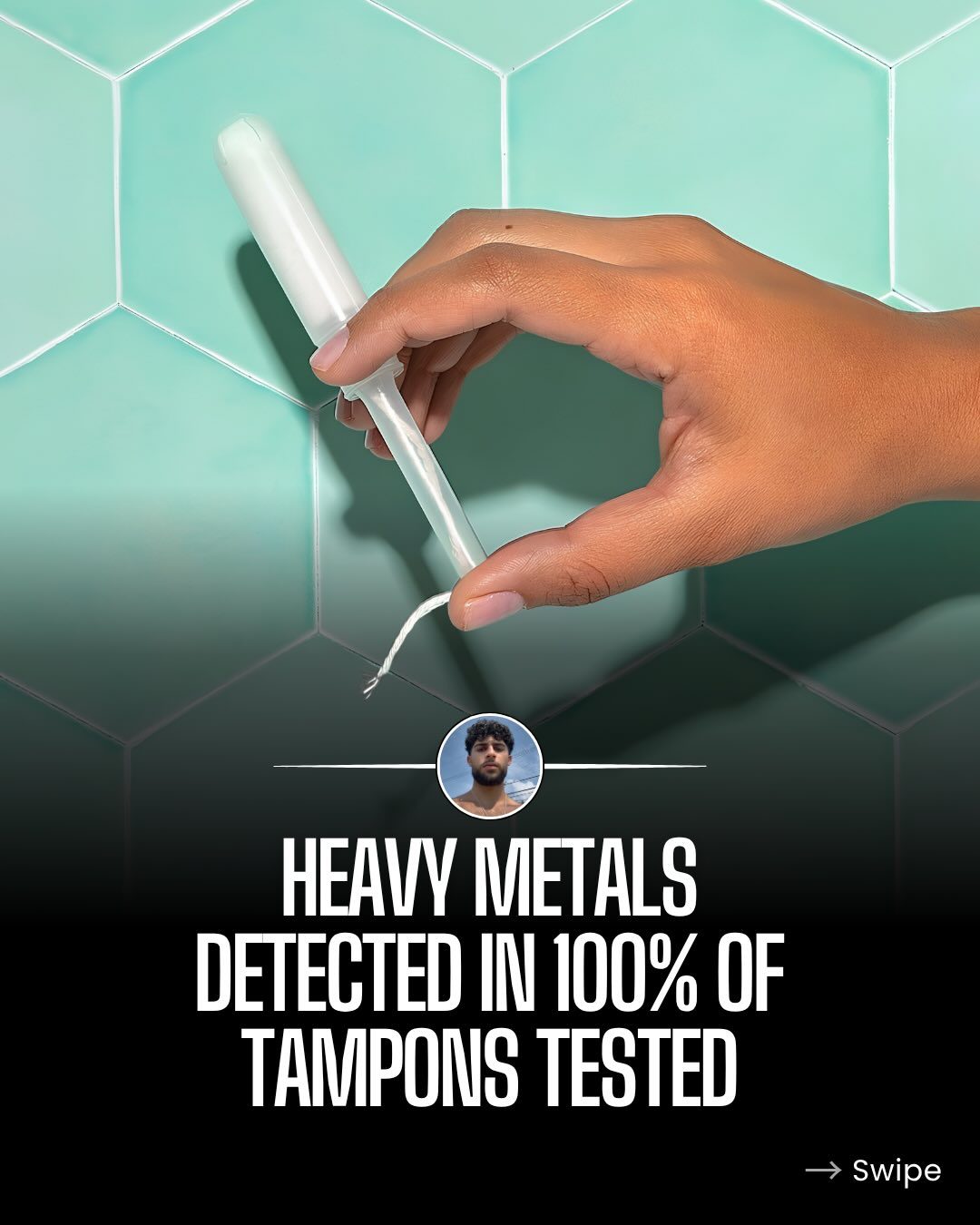
Heavy metals lurk in an unexpectedly personal product: tampons. Recent findings from UC Berkeley, Columbia, and Michigan State reveal that 100% of the 30 tampons tested from 14 brands contained heavy metals like lead, arsenic, and cadmium. These metals are linked to a range of health issues, from infertility and miscarriage to cancer and dementia.
Tampon tampons are an intimate part of many people's lives, yet their contents have historically gone unchecked. The study highlights the alarming levels of heavy metals, including lead, which was detected at 120 parts per billion—24 times higher than the FDA's legal limit for lead in bottled water. The vaginal wall can absorb chemicals directly into systemic circulation, bypassing the liver and entering the bloodstream without detoxification.
Why This Matters
Heavy metals in tampons pose significant health concerns. They are directly absorbed into the bloodstream, potentially leading to long-term health issues. Understanding the implications of these findings is crucial for informed choices about menstrual products.
The Study and Its Findings
The study, conducted by UC Berkeley, Columbia, and Michigan State, tested 30 tampons from 14 different brands. The researchers looked for 16 different heavy metals, and every single tampon tested positive for at least one. Lead was detected in 100% of the tampons, with levels significantly exceeding safety thresholds. Arsenic and cadmium were also prevalent, posing serious health risks.
Health Implications
The presence of these heavy metals is particularly concerning because they can cause a variety of health problems. Lead, for instance, is linked to infertility, miscarriage, and developmental issues in children. Arsenic is associated with cancer and skin lesions. Cadmium can lead to kidney damage and bone loss. The cumulative effects of these metals, especially when absorbed directly into the bloodstream, can have severe consequences over time.
Main Discussion
The Role of Regulatory Oversight
Manufacturers are not required to test for heavy metals or disclose their presence in tampons. The Tampon Safety and Research Act, first introduced in Congress in 1997, has yet to pass. This lack of regulatory oversight means that consumers are often unaware of what they're exposing themselves to with their choice of menstrual products. Women use over 7,400 tampons in their lifetime, making the potential long-term health impacts of heavy metal exposure a pressing concern.
Healthier Alternatives
jioni Organic Cotton Tampons Super stand out as a healthier alternative. These tampons are made from 100% organic cotton and are certified free of heavy metals, formaldehyde, titanium dioxide, and chlorine. They are GOTS (Global Organic Textile Standard) and OCS (Organic Content Standard) certified, ensuring their organic composition. The tampons are designed with higher absorbency for heavier flow days, without compromising on materials. Their plant-based compostable wrapper adds to their eco-friendly profile.
What Makes jioni Stand Out
The jioni Organic Cotton Tampons Super score a perfect 100/100 in terms of safety and composition. They are made from 100% organic cotton, including the string, and do not contain any applicators, wax, or plastic. This composition reduces the risk of heavy metal exposure and other harmful chemicals. The tampons are also tested free of heavy metals, formaldehyde, titanium dioxide, and chlorine, ensuring a safer product for consumers.
User Perception and Market Awareness
While the study has highlighted the need for safer alternatives, consumer awareness remains a challenge. Many people are unaware of the potential health risks associated with traditional tampons. Increased transparency from manufacturers and stricter regulations could help bridge this gap. Brands like jioni are leading the way by providing clear information about their product composition and testing processes.
Environmental Impact
The environmental impact of tampons extends beyond their chemical composition. Traditional tampons often contain plastics and other non-biodegradable materials that contribute to environmental pollution. The shift towards organic, compostable materials like those used in jioni Organic Cotton Tampons Super can help reduce this environmental footprint.
Practical Tips
When choosing menstrual products, consider the following tips to make informed decisions.
Read Labels and Certifications
Look for products that are certified by reputable organizations like GOTS and OCS. These certifications ensure that the product meets high standards for organic content and sustainability.
Opt for Organic Materials
Choose tampons made from 100% organic cotton. This reduces the risk of exposure to heavy metals and other harmful chemicals.
Check for Transparency
Select brands that are transparent about their manufacturing processes and testing standards. Brands that disclose their testing methods and certifications are more likely to be reliable.
Consider Comprehensive Health
Think about the long-term health implications of your choices. Opting for products that prioritize safety and sustainability can have significant benefits over time.
Important Takeaways
- Heavy metals like lead, arsenic, and cadmium were found in all 30 tampons tested from 14 brands.
- These metals can have serious health implications, including infertility, miscarriage, and cancer.
- Regulatory oversight of tampon contents is lacking, and manufacturers are not required to test for or disclose heavy metals.
- jioni Organic Cotton Tampons Super offer a safer alternative, made from 100% organic cotton and certified free of harmful chemicals.
- Consumers should seek out products with clear labeling, organic materials, and transparent testing processes.
Conclusion
The discovery of heavy metals in tampons underscores the need for greater scrutiny and regulation in the menstrual product industry. Consumers can take proactive steps by choosing products like jioni Organic Cotton Tampons Super, which prioritize safety and sustainability. Increased awareness and demand for healthier alternatives can drive industry-wide changes, ultimately leading to safer and more transparent menstrual products for all.
Watch the Reel
Questions readers ask
Which heavy metals were found in tampons according to the study?
The study from UC Berkeley, Columbia, and Michigan State found that tampons contained heavy metals including lead, arsenic, and cadmium. The study tested 30 tampons from 14 brands and found these metals in all of them.
What are the potential health risks associated with heavy metals in tampons?
Heavy metals in tampons can cause serious health issues, including infertility, miscarriage, cancer, and dementia. These metals can be absorbed directly into the bloodstream through the vaginal wall, bypassing the liver and potentially entering systemic circulation.
How do the levels of lead in tampons compare to other regulated products?
The study found lead in tampons at 120 parts per billion, which is 24 times higher than the FDA's legal limit for lead in bottled water (5 parts per billion). This highlighting the significant levels of lead in these products.
Do organic tampons contain heavy metals?
The study does not specify whether organic tampons were included in the testing. However, the results indicate that heavy metals were found in all 30 tampons tested from 14 brands, suggesting that organic tampons may still contain heavy metals. It is recommended to check with specific organic tampon manufacturers or brands to ensure they have tested for heavy metals.
Which brands were included in the study on heavy metals in tampons?
The study tested 30 tampons from 14 brands, but it does not specify which exact brands were tested. The study highlights the need for further testing, regulation and awareness of the potential health risks.
How can I reduce my exposure to heavy metals from tampons?
To reduce exposure, consider using alternative menstrual products such as menstrual cups, period panties, or reusable cloth pads. If you continue to use tampons, you may want to limit their use, changing them frequently, and choosing brands that prioritize transparent manufacturing processes.
Related deep dives
Similar reads based on topic and creator.


Recent articles
Fresh deep dives from the latest Reels we unpacked.




Comments
Be the first to comment.