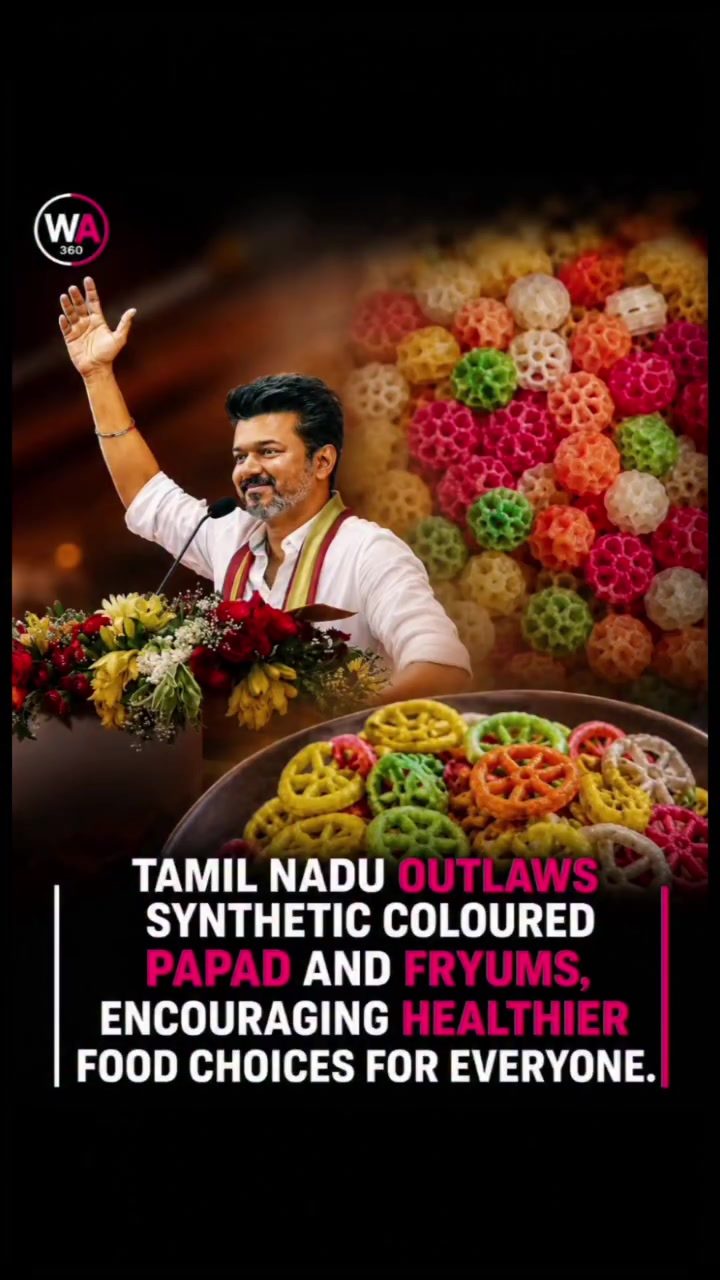
The Ban on Synthetic Coloured Papad and Fryums in Tamil Nadu
The recent ban on synthetic colored papad and fryums in Tamil Nadu marks a significant step towards promoting healthier food choices. This decisive move by the state government aims to reduce potential health risks associated with artificial food colors. These colors, commonly found in processed snacks, have long been a subject of concern among health experts, particularly regarding their impact on children and overall well-being. By restricting these products, Tamil Nadu is encouraging both consumers and manufacturers to adopt safer, healthier alternatives.
Why This Matters
Artificial food colors have been used extensively in the food industry to enhance the visual appeal of products. However, numerous studies have linked these colors to various health issues, including allergies, hyperactivity in children, and even the potential for genetic damage. The ban on synthetic colored papad and fryums in Tamil Nadu is a proactive measure to mitigate these risks and promote better food standards across the state. This initiative is part of a broader effort to create greater awareness about clean eating and inspire the food industry to adopt natural ingredients.
The Impact on Public Health
The decision to ban synthetic colored papad and fryums is not just about eliminating a potential health hazard; it's about fostering a culture of healthier eating habits. By restricting the use of artificial colors in these popular snacks, the government is encouraging consumers to make more informed and healthier choices. This move also sends a clear message to the food industry: quality and safety should always come before appearance.
Encouraging Healthier Alternatives
One of the key goals of this ban is to promote the use of natural ingredients in food production. Natural colors derived from plants, fruits, and vegetables are not only safer but also offer additional nutritional benefits. For instance, beets and turmeric can provide a rich color while also adding essential vitamins and antioxidants. This shift towards natural ingredients can significantly enhance the nutritional value of food products, benefiting consumers in the long run.
The Role of Public Awareness
Public awareness plays a crucial role in the success of this initiative. As consumers become more conscious of what they eat, they are likely to demand healthier, naturally-colored food products. This increased demand can drive the food industry to adopt cleaner, safer practices. The government's ban on synthetic colors is a step towards educating the public about the importance of clean eating and the potential risks associated with artificial food additives.
Main Discussion
Understanding the Ban
The ban on synthetic colored papad and fryums in Tamil Nadu is part of a broader effort to promote healthier food choices. This move is driven by the potential health risks associated with artificial food colors. These colors, often derived from petrochemicals, have been linked to various health issues, including allergies and hyperactivity in children.
Natural colors, on the other hand, are derived from plants, fruits, and vegetables. They not only provide a safer alternative but also offer additional nutritional benefits. For instance, beets and turmeric can add a rich color to food products while also providing essential vitamins and antioxidants. This shift towards natural ingredients can significantly enhance the nutritional value of food products, benefiting consumers in the long run.
The Impact on the Food Industry
The ban on synthetic colored papad and fryums is expected to have a significant impact on the food industry. Manufacturers will need to reformulate their products to meet the new standards, which could involve switching to natural coloring agents. This transition may pose challenges, as natural colors can sometimes be less stable and more expensive than their synthetic counterparts. However, the long-term benefits for public health and consumer satisfaction make this a worthwhile investment.
Promoting Clean Eating
Clean eating is not just a dietary trend; it's a lifestyle that prioritizes natural, unprocessed foods. The ban on synthetic colored papad and fryums in Tamil Nadu is a step towards promoting this lifestyle. By encouraging the use of natural ingredients, the government is helping to create a culture of healthier eating habits. This initiative can inspire similar measures across the country, contributing to a healthier future for families and encouraging positive changes in food production nationwide.
Regulatory Measures
To ensure the success of this initiative, the government has implemented strict regulatory measures. Manufacturers are required to comply with the new standards, and failure to do so can result in penalties. Regular inspections and monitoring will be conducted to ensure that products meet the required standards. This proactive approach helps to safeguard public health and encourages manufacturers to adopt safer, healthier practices.
Practical Tips
Choosing Healthier Snacks
As consumers, it's essential to be mindful of the snacks we choose. Opting for naturally-colored products can help reduce the intake of potentially harmful artificial food colors. Look for products labeled as "naturally colored" or "free from artificial colors."
Reading Labels
Reading food labels is a practical way to stay informed about the ingredients in the products you consume. Look for natural colors derived from fruits, vegetables, and plants. These natural coloring agents are not only safer but also offer additional nutritional benefits.
Supporting Local Producers
Supporting local producers who use natural ingredients can help promote a healthier food ecosystem. Local producers often have better control over the quality and safety of their products, ensuring that they meet higher standards.
Encouraging Natural Coloring
Encouraging the use of natural coloring agents in food production can have lasting benefits for public health. Supporting initiatives that promote natural ingredients can drive the industry towards healthier practices.
Important Takeaways
The ban on synthetic colored papad and fryums in Tamil Nadu is a significant step towards promoting healthier food choices. By restricting the use of artificial colors, the government is encouraging the adoption of safer, healthier alternatives. This move not only reduces potential health risks but also promotes a culture of clean eating and inspires the food industry to adopt natural ingredients.
The Need for Continued Awareness
Continued public awareness and education are essential for the success of this initiative. As consumers become more conscious of what they eat, they are likely to demand healthier, naturally-colored food products. This increased demand can drive the food industry to adopt cleaner, safer practices.
The Role of Regulatory Measures
Regulatory measures play a crucial role in ensuring the success of this initiative. Strict regulations and regular monitoring can help ensure that products meet the required standards, safeguarding public health and encouraging manufacturers to adopt safer, healthier practices.
Conclusion
The ban on synthetic colored papad and fryums in Tamil Nadu is a bold step towards promoting healthier food choices. By encouraging the adoption of natural ingredients, the government is helping to create a culture of healthier eating habits. This initiative can inspire similar measures across the country, contributing to a healthier future for families and encouraging positive changes in food production nationwide. As consumers, it is essential to be mindful of the snacks we choose and support initiatives that promote natural, healthier alternatives.
Watch the Reel
Questions readers ask
What specific foods are affected by Tamil Nadu's recent ban on synthetic colored foods?
The ban targets synthetic colored papad and fryums. These are popular snacks in Tamil Nadu, and the ban aims to reduce the consumption of artificial food colors, which have been linked to potential health risks.
Why has the Tamil Nadu government decided to ban synthetic colored papad and fryums?
The government is aiming to promote healthier food choices and mitigate potential health risks associated with artificial food colors. These colors have been a subject of concern, especially regarding their impact on children and overall well-being.
How does the ban on synthetic colored foods encourage healthier alternatives?
By prohibiting synthetic colored papad and fryums, the ban encourages manufacturers to explore and produce safer, healthier alternatives. Consumers are also prompted to opt for natural food colors and healthier snack options.
What are the potential health risks associated with artificial food colors?
Artificial food colors have been linked to various health concerns. These include hyperactivity in children, allergic reactions, and other adverse health effects. The ban is a proactive measure to minimize these risks.
What steps can consumers take to support this initiative?
Consumers can support this initiative by choosing snacks that use natural food colors over those with artificial colors. Additionally, they can advocate for greater transparency in food labeling and encourage manufacturers to adopt healthier practices.
Are there any exemptions or alternatives to synthetic food colors that manufacturers can use?
Manufacturers are encouraged to use natural food colors derived from sources like fruits, vegetables, and spices. These natural alternatives not only enhance the visual appeal but also contribute to the overall nutritional profile of the food.
How does this ban align with other food safety regulations in Tamil Nadu?
This ban is part of a broader effort by the Tamil Nadu government to enhance food safety and promote healthier lifestyles. It complements existing regulations by specifically targeting artificial food colors, which have been identified as a significant health concern.
Related deep dives
Similar reads based on topic and creator.

Recent articles
Fresh deep dives from the latest Reels we unpacked.




Comments
Be the first to comment.