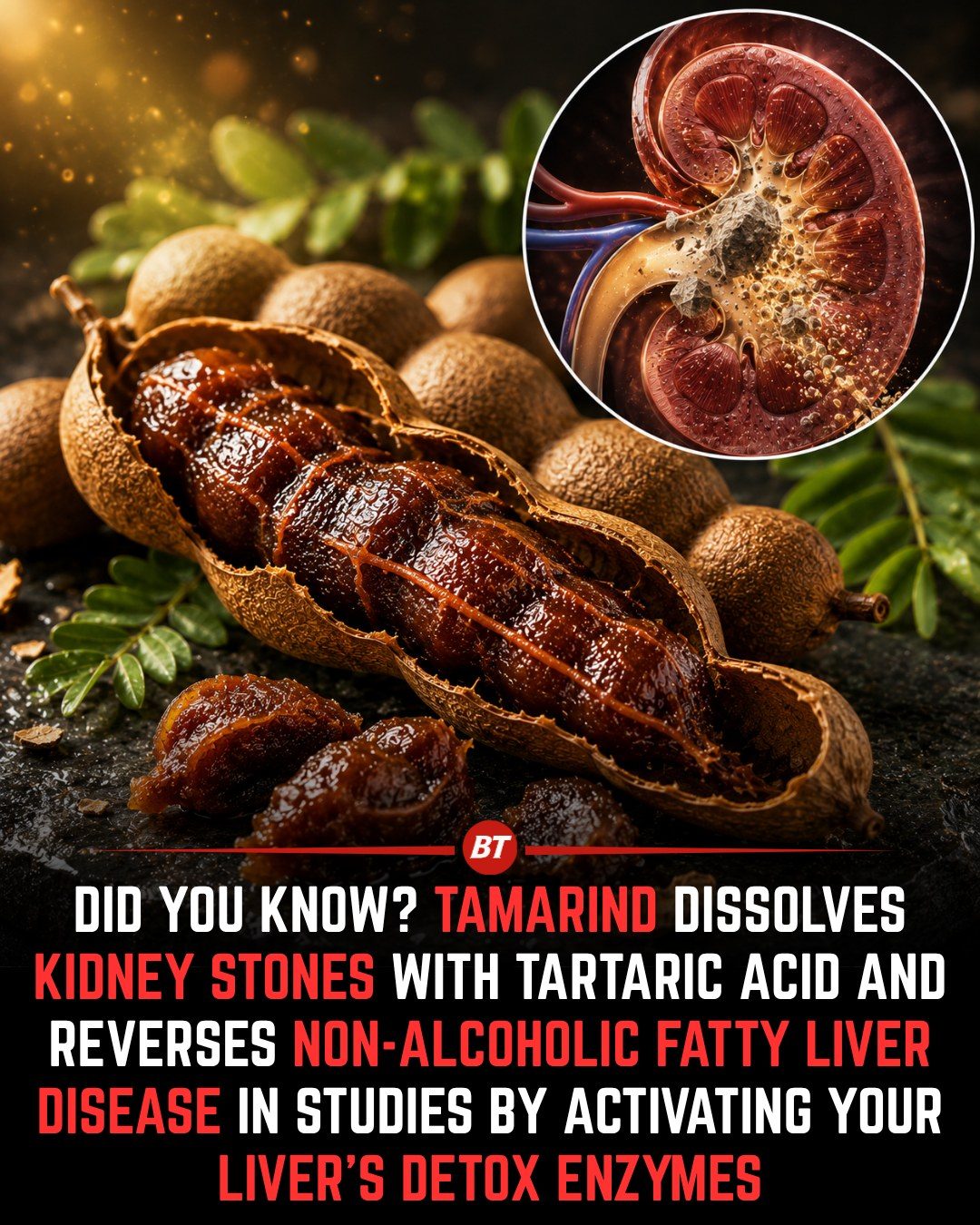
Tamarind: A Powerhouse of Health Benefits
Tamarind is a tropical fruit with a tangy flavor, and it's packed with natural acids and antioxidants. This makes it an attractive subject for researchers studying its potential health benefits. One of the key compounds in tamarind is tartaric acid, along with other beneficial components like polyphenols, potassium, and dietary fiber. These compounds give tamarind one of the highest antioxidant capacities among commonly consumed fruits. This means tamarind can neutralize free radicals, which in turn supports the body's natural defense systems against oxidative stress.
Why This Matters
The health benefits of tamarind extend beyond its antioxidant power. Scientists have been investigating its potential role in supporting kidney and liver health. Preliminary laboratory and animal studies suggest that its antioxidant-rich profile may help protect kidney tissue from oxidative damage and support normal liver function. However, while these studies indicate promising potential, strong clinical evidence in humans is lacking.
Main Discussion
Antioxidant Properties
The antioxidant properties of tamarind are largely due to its rich content of polyphenols and tartaric acid. These compounds help neutralize free radicals, which can damage cells and contribute to various health issues. By supporting the body's natural defense systems, tamarind can play a role in maintaining overall health and well-being.
Kidney Health
One of the most intriguing claims about tamarind is its potential to dissolve kidney stones. This is attributed to the tartaric acid present in tamarind pulp. Animal studies and laboratory research suggest that tartaric acid may have the ability to break down kidney stones, potentially reducing the risk of kidney stone formation and associated discomfort. However, it's important to note that more research is needed to confirm these findings in humans.
Additionally, tamarind's antioxidant properties may help protect kidney tissue from oxidative damage. This could be beneficial in maintaining overall kidney health and function. While these findings are promising, strong clinical evidence in humans is lacking, and more research is needed to support these claims.
Liver Health
Tamarind has also been studied for its potential role in supporting liver health. Preliminary research suggests that tamarind may help reverse non-alcoholic fatty liver disease by activating the liver's detox enzymes. This could potentially support normal liver function and improve overall liver health. However, as with kidney health, more research is needed to confirm these findings in humans.
Digestive Health
In addition to its potential benefits for kidney and liver health, tamarind is also a good source of fiber. This makes it beneficial for digestive health. Fiber supports digestion and helps nourish beneficial gut bacteria, promoting overall gut health. The unique sweet-and-sour flavor of tamarind also makes it a versatile ingredient in various dishes and drinks.
Practical Tips
Incorporating Tamarind into Your Diet
Tamarind is a versatile ingredient that can be incorporated into your diet in various ways. Here are a few practical tips:
- Savory Dishes: Use tamarind as an ingredient in sauces, soups, or chutneys to add a tangy flavor.
- Refreshing Drinks: Dilute tamarind into a beverage to enjoy a naturally tart drink.
- Balanced Diet: Pair tamarind with a balanced diet rich in fruits and vegetables to support overall health.
Remember, while tamarind offers potential health benefits, it should be part of a balanced diet and not a replacement for medical treatments. Always consult with a healthcare provider before making significant changes to your diet or lifestyle.
Precautions and Considerations
While tamarind offers potential health benefits, it's important to consume it in moderation. Excessive consumption of tartaric acid, found in high concentrations in tamarind, can have adverse effects, such as digestive discomfort or tooth enamel erosion. Additionally, tamarind should be avoided by individuals with known allergies to the fruit or related plants.
Important Takeaways
Tamarind is a tropical fruit with a tangy flavor and a rich nutritional profile. Its antioxidant properties, along with compounds like tartaric acid, polyphenols, potassium, and dietary fiber, make it a valuable addition to a balanced diet. Preliminary research suggests that tamarind may support kidney and liver health, potentially dissolving kidney stones and reversing non-alcoholic fatty liver disease. However, more research is needed to confirm these findings in humans.
Conclusion
Tamarind is more than just a tangy tropical fruit. Its rich nutritional profile and potential health benefits make it a valuable addition to a balanced diet. From supporting kidney and liver health to promoting digestive well-being, tamarind offers a range of benefits. By incorporating tamarind into your diet in various ways, you can enjoy its unique flavor while potentially reaping its health benefits. However, it's important to consume it in moderation and consult with a healthcare provider before making significant changes to your diet or lifestyle.
Watch the Reel
Questions readers ask
What are the primary health benefits of tamarind?
Tamarind is known for its antioxidant power, which helps neutralize free radicals and supports the body's defense against oxidative stress. Additionally, it may aid in supporting kidney and liver health, making it a valuable addition to a balanced diet.
How does tamarind support kidney health?
Tamarind contains natural acids and compounds that may help prevent the formation of kidney stones. Some studies suggest that the high potassium content in tamarind can also contribute to overall kidney function by regulating mineral balance and supporting hydration.
Can tamarind help with liver health?
Tamarind has been shown to have protective effects on the liver. It may help reduce fat accumulation in the liver, a condition known as fatty liver, and support the body's natural detoxification processes. This makes tamarind a useful tool in maintaining liver health.
What are the key antioxidants found in tamarind?
The primary antioxidants found in tamarind are polyphenols, which are known for their ability to combat oxidative stress. Tamarind also contains tartaric acid, a natural acid that enhances its antioxidant capacity, making it a potent fruit for supporting overall health.
How does the fiber content in tamarind contribute to health?
Tamarind is rich in dietary fiber, which aids in digestion and promotes a healthy gut. Fiber also helps in regulating blood sugar levels and maintaining a healthy weight, further contributing to the overall support of the body's systems.
What makes tamarind a unique choice for health support?
Tamarind stands out due to its unique combination of natural acids, antioxidants, and other beneficial compounds. Its high antioxidant capacity, along with its potential to support kidney and liver health, makes it an excellent choice for those looking to enhance their overall well-being through diet.
Recent articles
Fresh deep dives from the latest Reels we unpacked.




Comments
Be the first to comment.