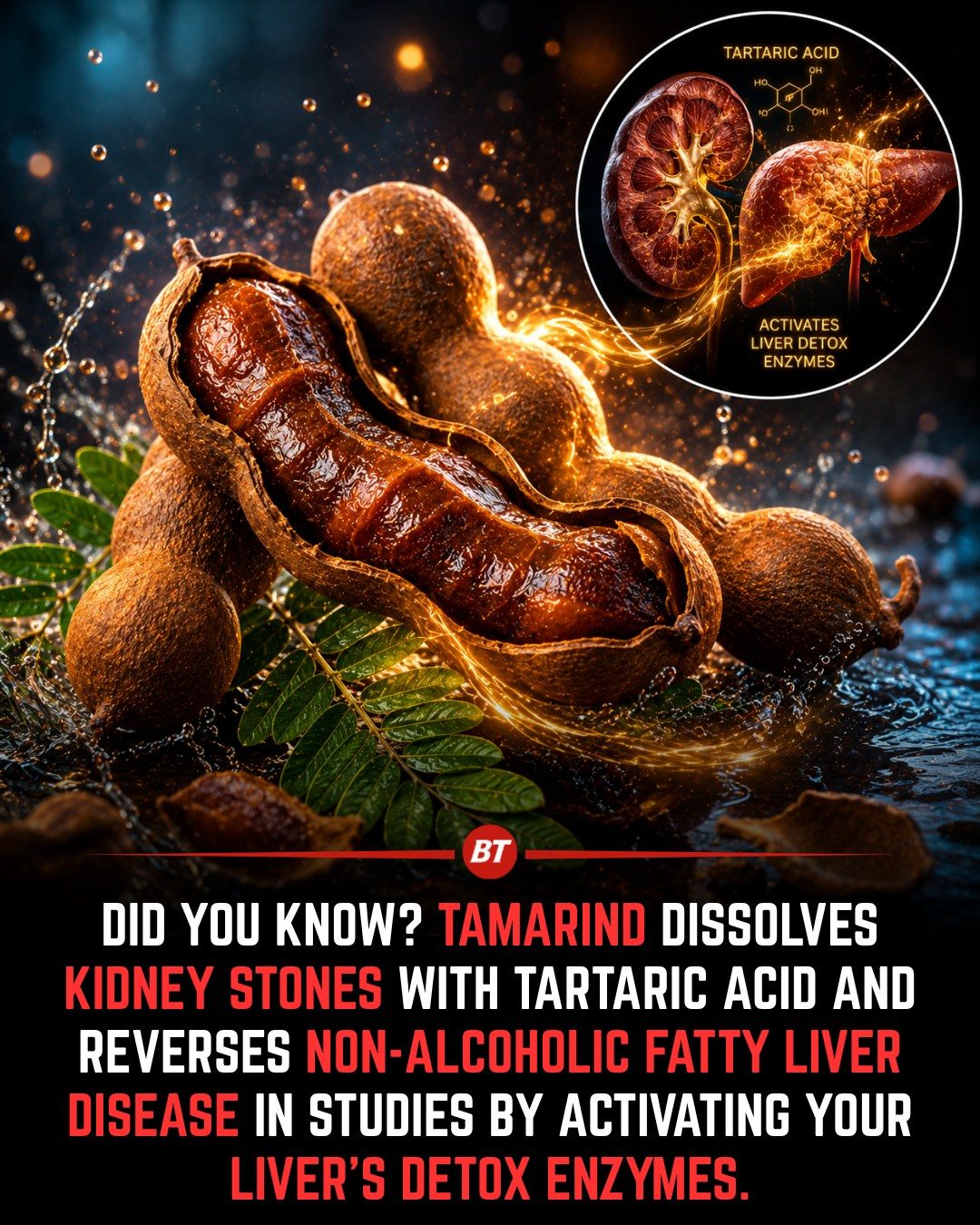
Tamarind: A Fruit with Surprising Benefits
Tamarind, a tropical fruit known for its tangy, sweet-and-sour flavor, is more than just a delicious addition to various dishes. This fruit is packed with nutrients and compounds that offer numerous health benefits. From improving liver health to supporting metabolic function, tamarind is a powerhouse of natural goodness.
Why This Matters
Tamarind's unique composition makes it a valuable addition to a healthy diet. Its rich content of tartaric acid, polyphenols, and dietary fiber has caught the attention of scientists studying its potential benefits for liver, heart, and metabolic health. Understanding these benefits can help individuals make informed decisions about incorporating tamarind into their diets.
The Nutritional Profile of Tamarind
Tartaric Acid and Antioxidants
Tamarind's distinctive flavor comes from tartaric acid, a natural antioxidant that helps protect cells from oxidative stress. This compound, along with flavonoids and other polyphenols, neutralizes free radicals that can damage tissues over time. The antioxidant properties of tamarind make it a valuable addition to a diet focused on overall health and wellness.
Dietary Fiber and Essential Minerals
Research has shown that tamarind is an excellent source of dietary fiber, which supports a healthy gut microbiome. This fiber can help improve cholesterol and blood sugar control, making tamarind a beneficial addition for those managing metabolic health. Additionally, tamarind provides essential minerals like potassium and magnesium. These minerals are crucial for healthy muscle function, nerve signaling, and maintaining normal blood pressure.
Health Benefits of Tamarind
Liver Health
One of the most notable benefits of tamarind is its potential to support liver health. Animal and laboratory studies have shown that tamarind extracts may help reduce fat accumulation, inflammation, and oxidative damage in the liver. This is achieved by influencing the body's natural antioxidant and detoxification pathways. While these findings are promising, more high-quality human clinical trials are needed to fully understand the extent of tamarind's benefits for liver conditions.
Kidney Health
Tamarind's tartaric acid content is not just beneficial for liver health but also for kidney health. Studies have shown that tartaric acid helps dissolve kidney stones, making tamarind a potential natural remedy for those suffering from kidney issues. This ability to support kidney function adds to the overall health benefits of incorporating tamarind into the diet.
Heart and Metabolic Health
The polyphenols and fiber in tamarind contribute to its heart-healthy properties. By supporting a healthy gut microbiome and improving cholesterol and blood sugar control, tamarind can help maintain cardiovascular health. Its antioxidant properties also play a role in protecting the heart from oxidative stress, reducing the risk of heart disease.
Practical Tips for Incorporating Tamarind into Your Diet
Culinary Uses
Tamarind's versatility in the kitchen makes it easy to incorporate into various dishes. Fresh tamarind pulp can be used in soups, sauces, curries, marinades, or drinks. Here are a few ideas to get started:
- Soups and Stews: Add tamarind pulp to soups and stews for a tangy flavor and a boost of antioxidants.
- Marinades: Use tamarind as a marinade for meats and vegetables to enhance their flavor and tenderness.
- Drinks: Make a refreshing tamarind drink by mixing tamarind pulp with water, sugar, and a pinch of salt.
- Curries and Sauces: Incorporate tamarind into curries and sauces to add depth and complexity to your dishes.
Choosing the Right Tamarind
When selecting tamarind, opt for products with little or no added sugar to enjoy its nutritional benefits without unnecessary sweetness. Fresh tamarind pulp is ideal, but tamarind paste or concentrate can also be used. Look for products that are free from preservatives and artificial additives to maximize the health benefits.
Important Takeaways
Tamarind is a nutrient-rich fruit that offers a range of health benefits. Its tartaric acid, polyphenols, and dietary fiber make it a valuable addition to a balanced diet. From supporting liver and kidney health to improving metabolic function, tamarind has the potential to enhance overall well-being. Incorporating tamarind into your diet can be both delicious and beneficial, making it a worthwhile addition to your culinary repertoire.
Conclusion
Tamarind is more than just a tangy tropical fruit; it is a powerhouse of nutrients and health benefits. By understanding its nutritional profile and the various ways it can support health, you can make informed decisions about including tamarind in your diet. Whether you use it in soups, curries, or drinks, tamarind offers a unique flavor and a host of health advantages. Embrace the versatility and benefits of tamarind to enhance your overall health and wellness.
Watch the Reel
Questions readers ask
What makes tamarind beneficial for liver health?
Tamarind contains tartaric acid and polyphenols, which help protect the liver from damage. These compounds can assist in preventing fatty liver disease by reducing fat accumulation and inflammation in the liver. Regular consumption of tamarind may also support liver detoxification processes.
How does tamarind support metabolic health?
The high fiber content in tamarind aids in digestion and helps maintain healthy blood sugar levels. This can contribute to improved metabolic function and may assist in weight management. Additionally, tamarind's antioxidants help combat oxidative stress, which can positively impact overall metabolic health.
What are the key antioxidants found in tamarind?
Tamarind is rich in polyphenols, which are powerful antioxidants. These include compounds like quercetin and kaempferol. These antioxidants help neutralize harmful free radicals in the body, reducing the risk of chronic diseases.
Can tamarind help with fatty liver disease?
Yes, tamarind's tartaric acid and polyphenols can help reduce fat accumulation in the liver, which is beneficial for those with fatty liver disease. These compounds also have anti-inflammatory properties that can help mitigate liver inflammation. Including tamarind in your diet may support liver health and overall metabolic function.
How can I incorporate tamarind into my diet?
Tamarind can be used in various culinary ways. It can be added to curries, stews, and soups for a tangy flavor. Tamarind paste or concentrate can be used in marinades and sauces. Additionally, you can enjoy tamarind as a refreshing drink by mixing tamarind pulp with water and sweetener to taste.
What are the health advantages of tamarind's fiber content?
The dietary fiber in tamarind promotes healthy digestion and helps maintain a healthy gut. It also aids in controlling blood sugar levels by slowing down the absorption of sugars. This makes tamarind beneficial for managing weight and supporting overall digestive health.
How does tamarind's tartaric acid benefit the body?
Tamarind's tartaric acid plays a crucial role in liver health by aiding in the digestion of fats and helping to flush out toxins. It also contributes to the fruit's unique flavor and supports the overall health benefits of tamarind. Regular consumption of tamarind can help maintain healthy liver function and metabolic health.
Recent articles
Fresh deep dives from the latest Reels we unpacked.




Comments
Be the first to comment.