Syringes: Specialized Medical Instruments for Various Healthcare Applications
Syringes are essential medical instruments designed for a wide range of healthcare applications. They play a crucial role in ensuring accuracy, safety, and efficiency during medical procedures. Understanding the different types of syringes and their specific uses can help healthcare professionals and patients alike. Here, we delve into the key types of syringes, their applications, and how they contribute to medical precision.
The Importance of Syringes
Syringes are more than just simple medical tools; they are specialized instruments designed to handle various substances and perform specific tasks. Proper selection and use of the right type of syringe can significantly impact the outcomes of medical procedures, from administering precise doses of insulin to ensuring secure needle attachment.
Different types of syringes cater to different medical needs, including:
- General injections
- Precise medication delivery
- Secure connections
- Irrigation and fluid transfer
Types of Syringes
Standard Syringes
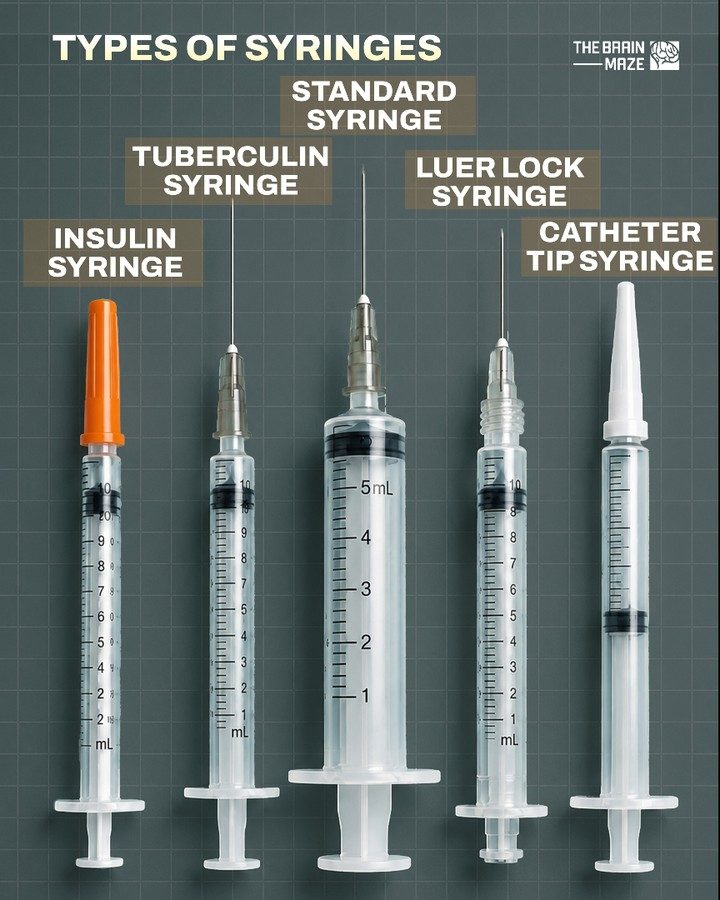
Standard syringes are versatile and widely used for general injections. They come in various sizes, allowing for flexibility in administering different volumes of medication. Standard syringes are typically marked with volume measurements in milliliters (mL), making it easy to measure and deliver the correct dose.
These syringes are ideal for:
- Intramuscular injections
- Subcutaneous injections
- Intravenous injections
Tuberculin Syringes
Tuberculin syringes are designed for administering small volumes of medication, typically less than 1 mL. They are often used for skin tests, such as the Mantoux test for tuberculosis, and for administering small doses of medication that require precise measurement.
Key features of tuberculin syringes include:
- Fine graduations for precise measurements
- Narrow barrel for small volume administration
- Secure needle attachment
Insulin Syringes
Insulin syringes are specifically designed for the administration of insulin. They feature ultra-fine graduations, typically in units rather than milliliters, allowing for precise insulin dosing. These syringes come in various sizes, including 30, 50, and 100 units, to accommodate different insulin requirements.
Insulin syringes are essential for:
- Diabetic patients requiring precise insulin doses
- Administering small, consistent doses of medication
Catheter Tip Syringes
Catheter tip syringes are designed for irrigation and fluid transfer tasks. They feature a blunt, flexible tip that is safer for use with catheters and other delicate medical equipment. These syringes are often used in urology, gastroenterology, and other fields where fluid transfer is crucial.
Catheter tip syringes are particularly useful for:
- Irrigation of wounds and cavities
- Fluid transfer in medical procedures
- Administering medication through catheters
Luer Lock Syringes
Luer Lock syringes feature a twist-lock mechanism that ensures a secure connection between the syringe and the needle or other medical devices. This design prevents accidental dislodging and provides a stable connection, making it ideal for procedures requiring precision and safety.
Luer Lock syringes are commonly used for:
- Blood draws
- Infusions and injections
- Connecting to IV lines and other medical devices
Practical Tips for Using Syringes
Choosing the Right Syringe
Selecting the appropriate syringe for a specific task is crucial. Consider the following factors:
- Volume of medication: Choose a syringe with the right volume markings to ensure accurate dosing.
- Type of procedure: Use specialized syringes (e.g., insulin, tuberculin) for specific tasks to ensure precision and safety.
- Connection type: For secure needle attachment, opt for Luer Lock syringes.
Handling and Storage
Proper handling and storage of syringes are essential for maintaining their integrity and functionality.
- Store syringes in a clean, dry place, away from direct sunlight and heat sources.
- Avoid reusing syringes to prevent cross-contamination and ensure accurate dosing.
- Handle syringes with care to prevent damage to the needle and barrel.
Safety Precautions
Safety is paramount when handling syringes. Follow these guidelines:
- Always use a new, sterile syringe for each injection to prevent infection.
- Dispose of used syringes in a designated sharps container to prevent accidental needles sticks and injuries.
- Wear appropriate personal protective equipment (PPE) when handling syringes to protect against accidental exposure to blood and bodily fluids.
Important Takeaways
- Syringes are specialized medical instruments designed for various healthcare applications.
- Different types of syringes cater to specific medical needs, ensuring accuracy, safety, and efficiency.
- Choosing the right syringe, handling it properly, and following safety precautions are crucial for effective medical care.
Conclusion
Syringes are indispensable in the medical field, serving a wide range of applications from general injections to precise medication delivery. By understanding the different types of syringes and their specific uses, healthcare professionals can ensure accurate and safe medical procedures. Whether you are a medical professional or a patient, knowing the basics of syringe use can enhance the effectiveness and safety of healthcare interventions.
Watch the Reel
Questions readers ask
What are the main differences between tuberculin and standard syringes?
Tuberculin syringes have a smaller capacity and finer needle compared to standard syringes. They are designed for administering small volumes of medication, while standard syringes are used for larger volumes. Additionally, tuberculin syringes often come with markings that allow for more precise measurements.
When should I use a luer lock syringe?
Luer lock syringes are ideal when a secure connection is needed. The lock mechanism ensures that the needle stays attached, preventing leakage and accidental disconnection. Use them for tasks like connecting to IV lines or for procedures where a stable connection is crucial.
What are insulin syringes and why are they unique?
Insulin syringes are designed specifically for diabetics to self-administer insulin. They come with ultra-fine needles and are marked in insulin units (usually 100 units per milliliter) rather than standard milliliters, making it easier for users to measure precise doses.
How do catheter syringes differ from other types of syringes?
Catheter syringes have a specialized tip designed to easily connect with catheter tubing. They typically have a luer lock mechanism and are used for tasks like flushing or administering medication through a catheter, ensuring a secure and leak-free connection.
Why is it important to use the right type of syringe for a specific medical need?
Using the correct syringe type ensures accurate medication delivery and enhances the safety of the procedure. For example, an insulin syringe has more precise markings for insulin doses, while a tuberculin syringe is better for small, accurate injections, such as those needed for tuberculin skin tests.
What is the purpose of a syringe’s tip?
The tip of a syringe is crucial for connecting to various medical devices or needles. Different syringe tips, such as luer lock or luer slip, ensure that the syringe can be securely attached to other medical equipment, preventing leaks and ensuring a safe, accurate procedure.
Recent articles
Fresh deep dives from the latest Reels we unpacked.




Comments
Be the first to comment.