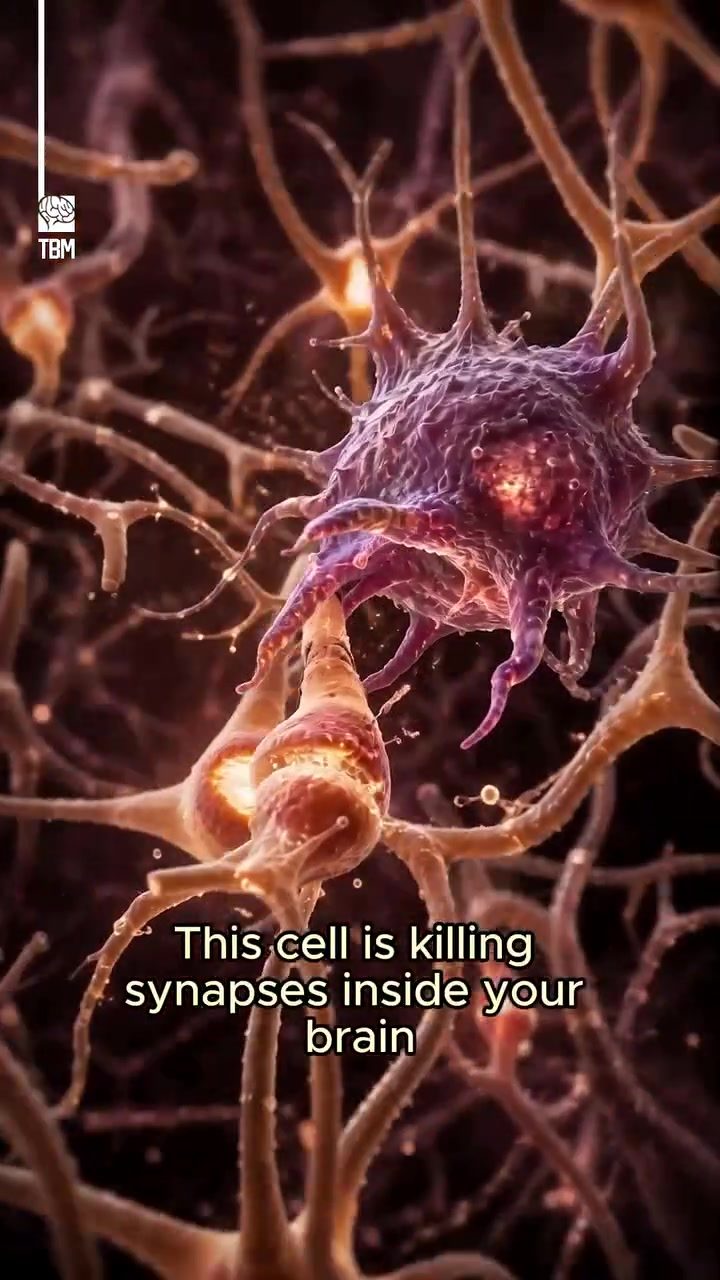
Brain Cell Synapses: The Process of Synaptic Pruning
During childhood and adolescence, the brain undergoes a critical process called synaptic pruning. This process involves the selective removal of synapses, the connections between neurons. While it might seem counterintuitive, this elimination is crucial for optimizing brain function. By removing about half of its neural connections, the brain keeps only the strongest pathways. This fine-tuning enhances learning, memory, and communication, shaping intelligence, behavior, and overall brain health.
Why This Matters
Synaptic pruning is not just a biological curiosity; it has profound implications for understanding and supporting healthy brain development. By grasping this process, we can better appreciate the importance of nurturing environments and activities that promote cognitive growth. This understanding also helps in identifying potential disruptions in neural development that could underlie various neurological and psychological conditions.
The Process of Synaptic Pruning
Excess Synapses and Neural Proliferation
During early development, the brain produces an excessive number of synapses—sometimes twice as many as needed. This overproduction creates a dense network of connections that requires fine-tuning. Think of it as a sculptor starting with a large block of marble, removing excess material to reveal the final masterpiece. Similarly, the brain creates an abundance of synapses and then selectively eliminates those that are not frequently used.
The Role of Neural Activity
The process of synaptic pruning is driven by neural activity. Frequently used synapses are strengthened and preserved, while inactive ones are tagged for removal by glial cells. This mechanism ensures that the brain retains the most efficient and effective pathways, optimizing cognitive function. Glial cells, often referred to as the brain's support cells, play a crucial role in this process by identifying and eliminating redundant connections.
Balancing Plasticity and Stability
Synaptic pruning balances the brain's plasticity—the ability to change and adapt—with stability. This balance is essential for ensuring that the brain can adapt to new experiences and information without becoming overloaded. By pruning away weaker connections, the brain can focus on the most important pathways, enabling faster and more precise communication.
Refining Brain Architecture
Synaptic pruning is essential for refining the brain’s architecture. This refinement enables faster and more precise communication between neurons, which underpins complex behaviors and intelligence. The process helps in creating a more efficient network of connections, ensuring that the brain can handle the demands of learning, memory, and sensory processing effectively.
Practical Tips
While the brain handles synaptic pruning naturally, there are practical steps that can support this process and promote healthy brain development:
Engage in Mental Stimulation
Activities that stimulate the brain, such as puzzles, reading, and learning new skills, can help reinforce important neural connections. Engaging in these activities regularly can enhance cognitive function and promote the development of strong neural pathways.
Encourage Physical Activity
Physical activity has been shown to support brain health. Exercise increases blood flow to the brain, providing the necessary nutrients and oxygen for optimal function. Regular physical activity can also reduce stress, which is beneficial for overall brain health.
Promote a Healthy Lifestyle
A balanced diet, adequate sleep, and stress management are essential for supporting healthy brain development. Nutrients like omega-3 fatty acids, antioxidants, and B vitamins are particularly important for brain health. Adequate sleep allows the brain to consolidate memories and perform essential maintenance tasks, including synaptic pruning.
Seek Professional Guidance
If there are concerns about cognitive function or brain development, consulting with a healthcare professional or a neurologist can provide valuable insights and support. Early intervention can address potential issues and promote optimal brain health.
Important Takeaways
Synaptic pruning is a critical process that fine-tunes the brain, ensuring optimal cognitive function and overall brain health. By understanding this process, we can appreciate the importance of nurturing environments and activities that support healthy brain development. Engaging in mental and physical activities, maintaining a healthy lifestyle, and seeking professional guidance when needed can all contribute to maintaining a healthy, efficient brain.
Conclusion
Synaptic pruning is a fundamental aspect of brain development that shapes our intelligence, behavior, and overall cognitive function. By removing excess neural connections, the brain is able to refine its architecture, enhancing learning, memory, and communication. Supporting this process through a healthy lifestyle and engaging activities can promote optimal brain health and function.
Watch the Reel
Questions readers ask
What is synaptic pruning and why does it occur in the brain?
Synaptic pruning is a natural process in the brain where unused or weak synapses, the connections between neurons, are selectively removed. It occurs to refine neural networks and optimize brain function. This process begins in childhood and continues through adolescence, ensuring that only the strongest and most efficient connections are retained.
How does synaptic pruning improve cognitive functions?
Synaptic pruning enhances cognitive functions by streamlining neural communication. By eliminating unnecessary connections, the brain can process information more efficiently. This leads to improvements in learning, memory, and overall cognitive performance, as the brain becomes better at retaining and utilizing important information.
What role do glial cells play in synaptic pruning?
Glial cells, particularly microglia, play a crucial role in synaptic pruning. They are responsible for identifying and eliminating unused or weak synapses. This process is driven by neural activity, ensuring that only the most active and strongest connections are preserved, thereby refining the neural network.
At what age does synaptic pruning typically occur?
Synaptic pruning primarily occurs during childhood and adolescence, although it can extend into early adulthood. This process is most active during periods of rapid brain development, such as during the teenage years, when the brain is fine-tuning its connections to support complex cognitive tasks and behaviors.
Can synaptic pruning be influenced by external factors?
Yes, synaptic pruning can be influenced by various external factors. Engaging in mentally stimulating activities, maintaining a healthy lifestyle, and getting adequate sleep can positively impact synaptic pruning. Conversely, factors like stress, lack of sleep, and poor nutrition can negatively affect this process, potentially leading to suboptimal brain development.
What happens if synaptic pruning does not occur properly?
If synaptic pruning does not occur properly, it can lead to an imbalance in neural connections, which may result in cognitive impairments. This can manifest as difficulties with learning, memory, and overall cognitive function. Proper synaptic pruning is essential for maintaining a well-organized and efficient neural network, ensuring healthy brain function.
How does removing synapses improve brain health?
Removing unused synapses improves brain health by optimizing neural pathways. By eliminating weak connections, the brain can operate more efficiently, reducing the risk of cognitive decline. This process helps in maintaining mental agility, supports better communication between neurons, and contributes to overall brain health and resilience.
Related deep dives
Similar reads based on topic and creator.


Recent articles
Fresh deep dives from the latest Reels we unpacked.




Comments
Be the first to comment.