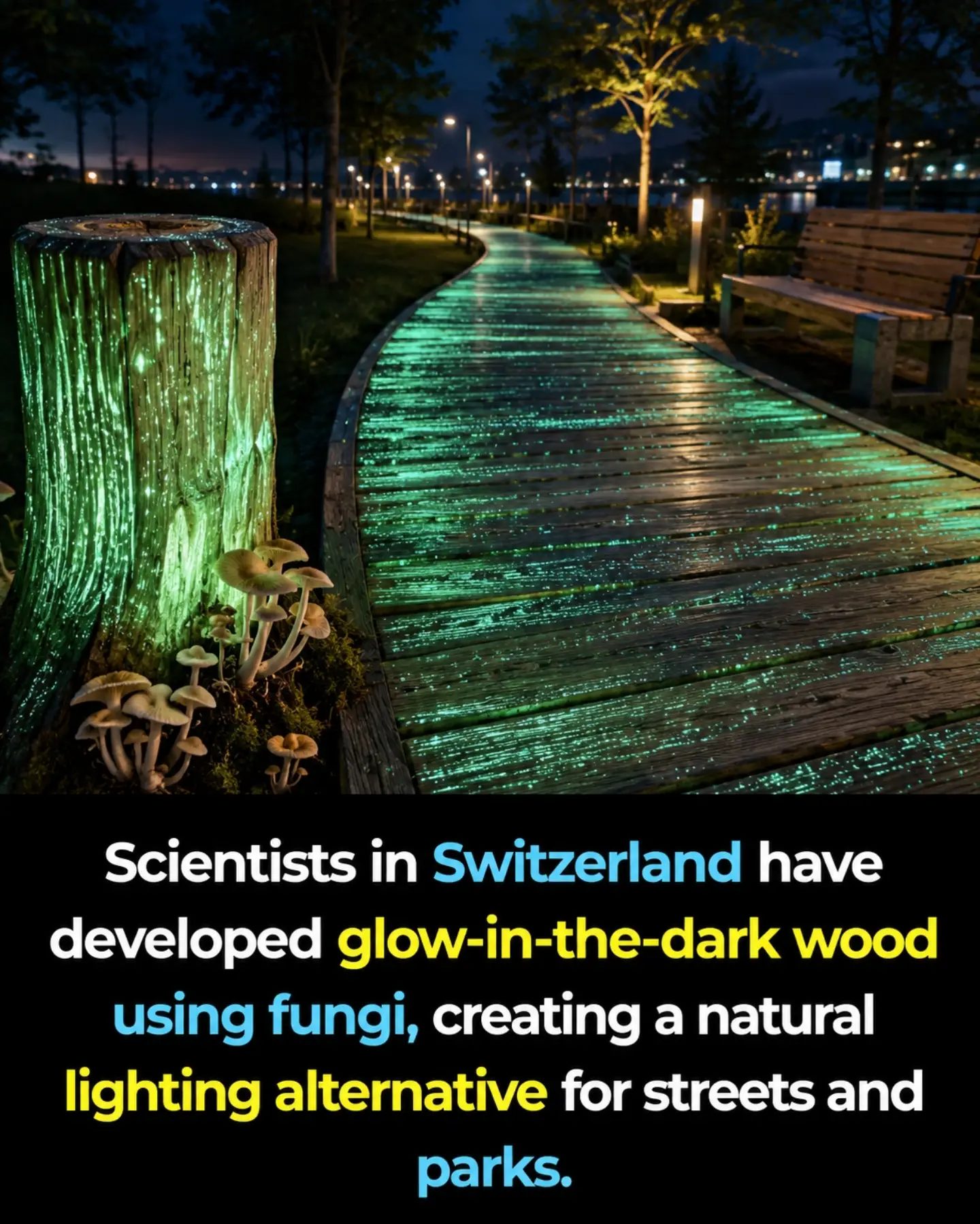
Glow-in-the-Dark Wood: A Revolutionary Lighting Alternative
Glow-in-the-dark wood, a groundbreaking development in sustainable lighting, has emerged from the laboratories of Swiss scientists. This innovative material not only offers a unique aesthetic but also presents a practical solution for illuminating outdoor spaces. By harnessing the power of fungi, researchers have created a natural lighting alternative that could revolutionize the way we think about street and park lighting.
Context / Why This Matters
The development of glow-in-the-dark wood is significant for several reasons. Firstly, it addresses the growing concern over energy consumption and environmental impact. Traditional street lighting often relies on electricity, which contributes to carbon emissions and energy costs. In contrast, glow-in-the-dark wood offers a self-sustaining light source that requires no external power.
Secondly, this innovation aligns with the global push towards sustainable and eco-friendly technologies. As urbanization continues, the demand for green spaces and sustainable infrastructure increases. Glow-in-the-dark wood provides a visually appealing and sustainable solution for parks and walkways, enhancing both functionality and aesthetics.
Lastly, the use of fungi in this process highlights the potential of biological materials in modern technology. Fungi are known for their biodegradable and renewable properties, making them an ideal candidate for sustainable innovations.
Main Discussion
The Science Behind Glow-in-the-Dark Wood
The process of creating glow-in-the-dark wood involves the use of specific fungi that emit light. These fungi have been carefully selected and cultivated to produce glowing compounds that can be integrated into wood. The fungi are grown on the wood, where they naturally produce a bioluminescent compound that causes the wood to glow in the dark.
The fungi used in this process are typically non-toxic and do not harm the wood, ensuring that the final product is safe and durable. The integration of these fungi into the wood does not affect its structural integrity, making it suitable for various applications such as benches, fences, and pathways.
Applications and Benefits
One of the most promising applications of glow-in-the-dark wood is in urban landscapes. Imagine walking through a park at night, illuminated by the soft green glow of the pathways and benches. This not only enhances the visual appeal of the park but also provides a safe and well-lit environment for visitors.
Another potential use is in street lighting. Glow-in-the-dark wood can be incorporated into street furniture, such as lampposts and signage, reducing the need for traditional street lighting. This not only cuts down on energy costs but also minimizes light pollution, which is a growing concern in urban areas.
Additionally, glow-in-the-dark wood can be used in residential settings. Garden paths, outdoor furniture, and even indoor decorations can benefit from this innovative material. It adds a unique and enchanting element to any space, making it a popular choice for homeowners looking to add a touch of magic to their gardens or homes.
Environmental Impact and Sustainability
The environmental benefits of glow-in-the-dark wood are profound. By eliminating the need for external power sources, it significantly reduces energy consumption and carbon emissions. This makes it an ideal solution for eco-conscious individuals and communities.
Moreover, the use of fungi in the process is a testament to sustainable practices. Fungi are a renewable resource that can be cultivated without harming the environment. This makes glow-in-the-dark wood a truly green technology, aligning with the principles of sustainability and environmental conservation.
Practical Tips
If you are considering incorporating glow-in-the-dark wood into your projects, here are some practical tips to help you get started:
Selection and Maintenance
When selecting glow-in-the-dark wood, ensure that it is sourced from reputable suppliers who follow sustainable practices. Look for wood that has been treated with non-toxic fungi to ensure safety and durability.
Maintain the wood by keeping it clean and free from debris. Regular cleaning will help preserve the glow and extend the lifespan of the wood. Avoid using harsh chemicals or abrasive materials that could damage the fungi and dull the glow.
Installation
Installation of glow-in-the-dark wood is similar to traditional wood. Ensure that the wood is properly secured and levelled. For outdoor applications, consider using waterproof sealants to protect the wood from moisture and weathering.
Safety Considerations
While glow-in-the-dark wood is generally safe, it is important to handle it with care. Wear protective gloves and avoid direct contact with the fungi. If you have allergies or sensitivities, consult a healthcare professional before handling the wood.
Important Takeaways
Glow-in-the-dark wood represents a significant advancement in sustainable lighting. Its unique aesthetic and practical benefits make it an attractive option for various applications, from urban landscapes to residential settings. The use of fungi in its creation underscores the potential of biological materials in modern technology.
As more people become aware of the environmental impact of traditional lighting, glow-in-the-dark wood offers a viable and sustainable alternative. Its ability to provide natural lighting without the need for external power sources makes it a valuable addition to any eco-friendly project.
Conclusion
In conclusion, glow-in-the-dark wood is a remarkable innovation that combines beauty and functionality with sustainability. By harnessing the power of fungi, Swiss scientists have created a natural lighting alternative that is both visually appealing and environmentally friendly. Whether used in urban landscapes, residential settings, or outdoor spaces, glow-in-the-dark wood has the potential to transform the way we think about lighting and contribute to a greener future.
Watch the Reel
Questions readers ask
How does glowing wood work?
Glowing wood leverages the natural properties of fungi to produce light. By integrating fungi into the wood, Swiss scientists have created a bioluminescent material that emits a soft glow, making it a unique and sustainable lighting solution for outdoor spaces.
What makes fungi an ideal choice for eco-friendly lighting?
Fungi are ideal for eco-friendly lighting due to their natural ability to produce light through a process called bioluminescence. This makes them a sustainable and energy-efficient alternative to traditional lighting methods, as they do not require electricity and have minimal environmental impact.
Can glowing wood replace traditional street lighting?
While glowing wood shows promise, it may not entirely replace traditional street lighting immediately. However, it can supplement existing lighting in certain areas, such as parks and gardens, providing a unique aesthetic while reducing overall energy consumption.
How environmentally friendly is glowing wood compared to standard lighting?
Glowing wood is significantly more environmentally friendly than standard lighting. It reduces energy consumption by not relying on electricity and minimizes carbon emissions, making it a greener alternative for illuminating outdoor spaces.
What are the aesthetic benefits of using glowing wood for outdoor lighting?
Glowing wood offers a distinctive and enchanting visual appeal. Its soft, natural glow can create a calming atmosphere in parks, gardens, and other outdoor areas, enhancing the overall ambiance without the harshness of artificial lights.
How was the glowing wood developed by Swiss scientists?
Swiss scientists developed glowing wood by combining wood with specific types of fungi. These fungi are engineered to emit light through the process of bioluminescence. The scientists carefully cultivated and integrated the fungi into the wood to create a sustainable and glowing material.
What are the potential applications of fungi lighting in urban planning?
Fungi lighting has numerous potential applications in urban planning. It can be used to illuminate pedestrian paths, parks, and other public spaces, creating a safer and more inviting environment while promoting sustainability and reducing energy costs.
Recent articles
Fresh deep dives from the latest Reels we unpacked.




Comments
Be the first to comment.