Sweet Potato vs Potato Nutrition
Sweet potatoes and regular potatoes are both versatile and nutritious vegetables. However, when it comes to nutritional content, sweet potatoes often come out on top. Here, we explore the key nutritional differences between sweet potatoes and regular potatoes, and why understanding these differences can help you make better dietary choices.
Why This Matters
Both sweet potatoes and regular potatoes are staples in many diets. Regular potatoes are often a go-to for comfort foods and side dishes, while sweet potatoes are celebrated for their vibrant color, natural sweetness, and nutritional benefits. Understanding the nutritional differences between the two can help you choose the best option for your meals and overall health.
Nutritional Breakdown
When it comes to nutritional content, sweet potatoes have a significant edge. Let's break down the key nutrients where sweet potatoes outshine regular potatoes.
Protein
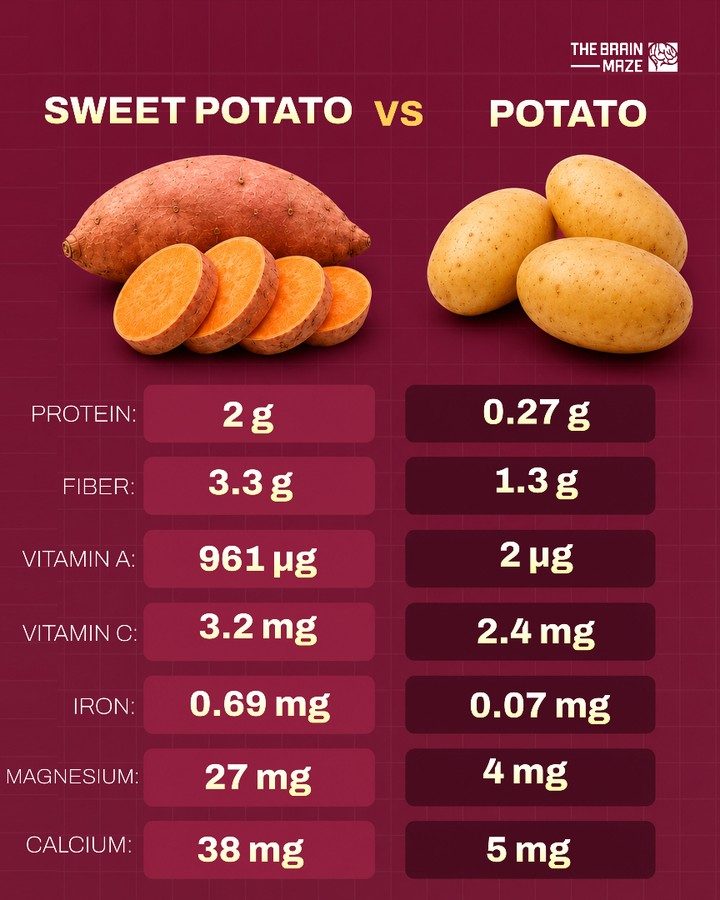
Sweet potatoes contain approximately 2 grams of protein per serving, while regular potatoes offer only about 0.27 grams. Although neither vegetable is a primary protein source, the extra protein in sweet potatoes can be beneficial, especially for those who follow plant-based diets.
Fiber
Fiber is essential for digestive health, and sweet potatoes deliver more than double the fiber content of regular potatoes. With 3.3 grams of fiber per serving, sweet potatoes can help support a healthy digestive system and promote feelings of fullness, aiding in weight management.
Vitamin A
One of the most notable differences between sweet potatoes and regular potatoes is their vitamin A content. Sweet potatoes provide a whopping 961 μg of vitamin A per serving, compared to just 2 μg in regular potatoes. Vitamin A is crucial for maintaining good vision, supporting the immune system, and promoting cell growth. The high vitamin A content in sweet potatoes makes them an excellent choice for boosting your daily intake of this vital nutrient.
Vitamin C
While both vegetables contain vitamin C, sweet potatoes have a slight edge with 3.2 mg per serving, compared to 2.4 mg in regular potatoes. Vitamin C is essential for immune function, collagen production, and iron absorption. Incorporating both types of potatoes into your diet can help you meet your daily vitamin C needs.
Iron
Sweet potatoes offer about 0.69 mg of iron per serving, while regular potatoes provide only 0.07 mg. Although the iron content in sweet potatoes is not exceptionally high, it can still contribute to your daily iron intake, which is crucial for oxygen transport in the blood and energy production.
Magnesium
Sweet potatoes are a better source of magnesium, providing 27 mg per serving, compared to 4 mg in regular potatoes. Magnesium is involved in numerous biological functions, including muscle and nerve function, blood glucose control, and blood pressure regulation. Including sweet potatoes in your diet can help support these essential processes.
Calcium
Sweet potatoes contain 38 mg of calcium per serving, while regular potatoes offer only 5 mg. Although both vegetables are not high in calcium, the slightly higher content in sweet potatoes can contribute to maintaining strong bones and teeth, supporting muscle and nerve function, and aiding in blood clotting.
Practical Tips
Here are some practical tips to help you incorporate both sweet potatoes and regular potatoes into your diet, maximizing their nutritional benefits.
Cooking Methods
Both sweet potatoes and regular potatoes can be prepared in various ways, including baking, boiling, roasting, and frying. To retain their nutritional content, opt for healthier cooking methods such as baking or boiling, and avoid excessive oil and salt.
Portion Control
While sweet potatoes are more nutrient-dense, it's still important to practice portion control. Aim for a balanced diet that includes a variety of nutrient-dense foods.
Seasoning
Enhance the flavor of your potatoes with herbs, spices, and healthy seasonings. This can make your meals more enjoyable and help you consume a wider range of nutrients.
Pairing
Pair your potatoes with other nutrient-dense foods to create well-rounded meals. For example, you can combine sweet potatoes with lean proteins, whole grains, and plenty of vegetables to ensure a balanced intake of essential nutrients.
Variety
Include a variety of both sweet potatoes and regular potatoes in your diet. While sweet potatoes offer more nutritional benefits, regular potatoes can still be a part of a healthy diet when consumed in moderation.
Important Takeaways
Sweet potatoes offer a more substantial nutritional profile compared to regular potatoes, making them a better choice for those looking to boost their nutrient intake. Here are the key takeaways:
- Sweet potatoes provide significantly more protein, fiber, vitamin A, iron, magnesium, and calcium.
- Both sweet potatoes and regular potatoes contain vitamin C, but sweet potatoes have a slight edge.
- Incorporating both types of potatoes into your diet can help you meet your daily nutrient needs.
- Opt for healthier cooking methods and practice portion control to maximize the benefits of both vegetables.
Conclusion
Both sweet potatoes and regular potatoes have their place in a balanced diet, but when it comes to nutritional content, sweet potatoes are the clear winner. By understanding the differences in their nutritional profiles, you can make more informed choices about which potato to include in your meals. Whether you're looking to boost your vitamin A intake, increase your fiber consumption, or simply enjoy a delicious and nutritious side dish, sweet potatoes are an excellent choice.
Watch the Reel
Questions readers ask
What are the key differences in protein content between sweet potatoes and regular potatoes?
Sweet potatoes generally contain more protein than regular potatoes. On average, a medium-sized sweet potato provides about 2 grams of protein, while a regular potato of similar size offers around 1-1.5 grams. This additional protein can be beneficial for those looking to increase their intake of this essential nutrient.
How does the fiber content in sweet potatoes compare to that of regular potatoes?
Sweet potatoes are higher in fiber than regular potatoes. A medium sweet potato provides approximately 4 grams of fiber, whereas a regular potato offers around 3 grams. This makes sweet potatoes a better choice for promoting digestive health and maintaining a healthy gut.
Why are sweet potatoes considered a good source of vitamin A?
Sweet potatoes are particularly rich in vitamin A, especially when cooked. This is primarily due to the beta-carotene they contain, which your body converts into vitamin A. A single medium sweet potato can provide over 400% of the daily recommended intake of vitamin A, making it an excellent choice for maintaining good vision and supporting the immune system.
Which option is better for boosting vitamin and mineral intake?
Sweet potatoes typically offer a broader range of vitamins and minerals compared to regular potatoes. They are not only rich in vitamin A but also provide significant amounts of vitamin C, potassium, and manganese. While regular potatoes do contain essential nutrients like vitamin C and potassium, the overall nutrient profile of sweet potatoes is more robust.
Can sweet potatoes help with digestive health?
Yes, sweet potatoes can be beneficial for digestive health due to their high fiber content. The fiber in sweet potatoes promotes regular bowel movements and helps maintain a healthy gut microbiome. Additionally, the natural sugars in sweet potatoes are slower to digest, which can help stabilize blood sugar levels and provide sustained energy.
Are sweet potatoes a better choice for weight management?
Sweet potatoes can be a better choice for weight management due to their higher fiber and lower glycemic index compared to regular potatoes. The fiber in sweet potatoes helps you feel fuller for longer, potentially reducing overall calorie intake. Their lower glycemic index means they cause a slower and lower rise in blood sugar levels, making them a more stable energy source.
Recent articles
Fresh deep dives from the latest Reels we unpacked.




Comments
Be the first to comment.