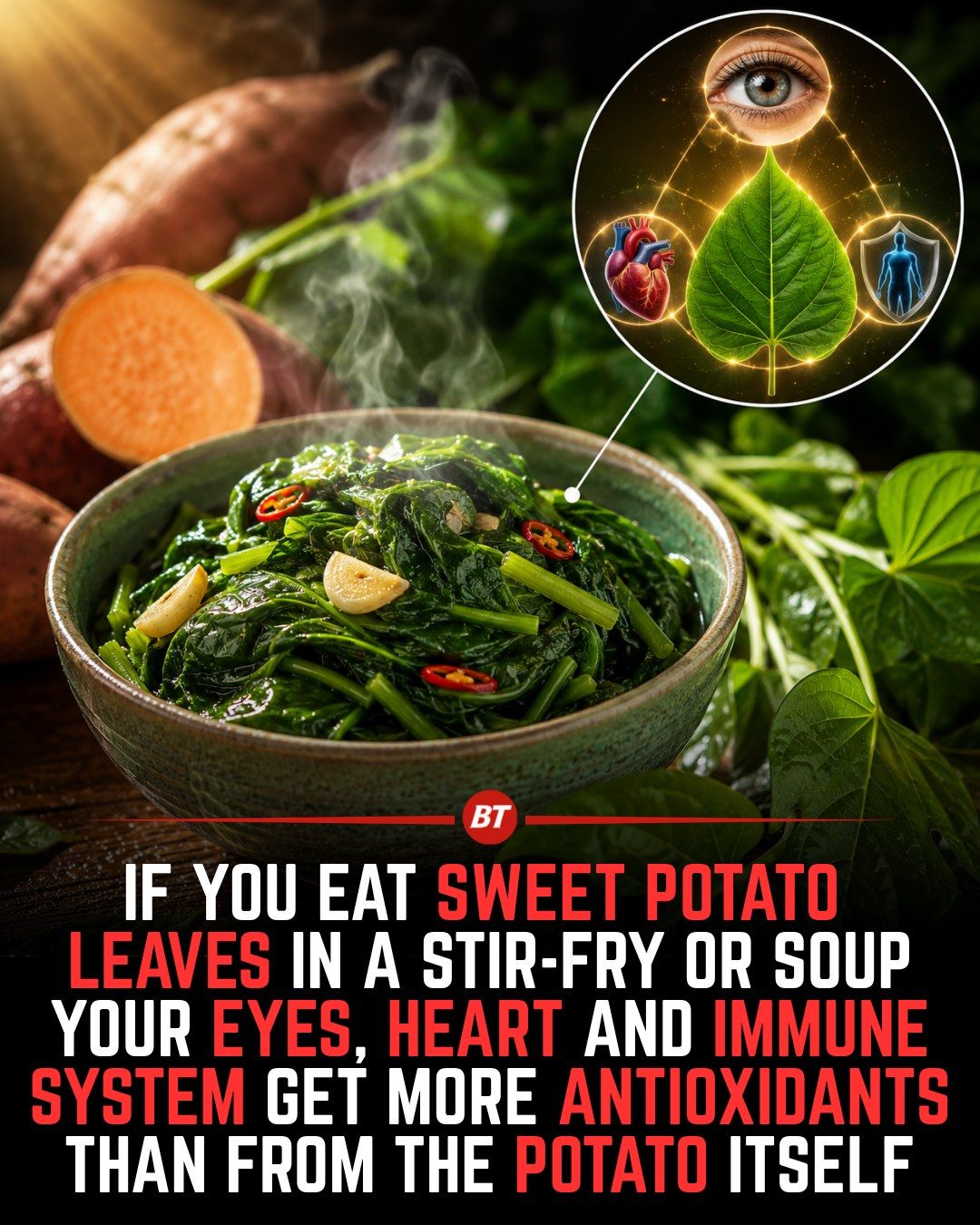
Sweet Potato Leaves: A Nutritious Leafy Green
Sweet potato leaves are often overlooked, but they are a powerhouse of nutrition. While the sweet potato itself is well-loved, its leaves offer a unique set of health benefits that make them a valuable addition to any diet.
Why This Matters
In many parts of Asia and Africa, sweet potato leaves are a staple in various dishes, including stir-fries, steamed preparations, and soups. These leaves are packed with essential nutrients that can significantly boost overall health. Understanding the nutritional benefits and versatility of sweet potato leaves can inspire more people to incorporate them into their meals.
Main Discussion
Nutritional Profile
Sweet potato leaves are rich in a variety of vitamins and minerals. They contain beta-carotene, lutein, vitamin C, vitamin K, iron, calcium, and polyphenols. These nutrients play crucial roles in supporting overall health. Beta-carotene, for instance, is converted into vitamin A in the body, which is essential for vision, immune function, and skin health. Lutein, on the other hand, is known for its role in eye health, helping to protect against age-related macular degeneration.
Antioxidant Power
One of the standout benefits of sweet potato leaves is their high antioxidant content. Antioxidants help protect the body from oxidative stress, which can damage cells and contribute to various diseases. The leaves are particularly rich in compounds that support eye health, cardiovascular health, and immune function. The high levels of carotenoids and flavonoids in sweet potato leaves can help reduce inflammation and promote healthy blood vessels, contributing to better cardiovascular health.
Comparative Nutritional Value
When compared to the sweet potato root, the leaves offer a different but equally beneficial nutritional profile. While the root is high in starch and carbohydrates, the leaves provide more leafy-green vitamins and phytochemicals while being low in calories. This makes sweet potato leaves an excellent addition to a balanced diet, especially for those looking to increase their intake of vitamins, minerals, and antioxidants without adding extra calories.
Versatility in Cooking
Sweet potato leaves are incredibly versatile and can be prepared in various ways. They can be lightly sautéed with garlic and olive oil, tossed into soups, or added to stir-fries just like spinach. This versatility makes it easy to incorporate them into a wide range of dishes, reducing food waste and enhancing the nutritional value of meals.
Practical Tips
How to Prepare Sweet Potato Leaves
Preparing sweet potato leaves is straightforward. Start by washing them thoroughly to remove any dirt or debris. You can then chop them into smaller pieces and sauté them with a bit of garlic and olive oil. Alternatively, add them to soups or stir-fries towards the end of cooking to retain their nutritional value and vibrant color.
Storage Tips
To store sweet potato leaves, refrigerate them in an airtight container or a plastic bag. They should stay fresh for up to a week. You can also freeze them for longer storage, though this may slightly affect their texture.
Incorporating into Meals
Sweet potato leaves can be a delicious and nutritious addition to a variety of meals. Here are a few ideas:
- Stir-Fries: Add them to your favorite stir-fry recipe for an extra boost of vitamins and antioxidants.
- Soups: Toss them into soups for added flavor and nutrition.
- Salads: Use them as a base for salads, similar to spinach or kale. They can be added raw or lightly sautéed.
Important Takeaways
- Sweet potato leaves are a nutritious leafy green packed with essential vitamins, minerals, and antioxidants.
- They offer a different nutritional profile compared to the sweet potato root, providing more leafy-green vitamins and phytochemicals.
- These leaves support eye health, cardiovascular health, and immune function.
- They are incredibly versatile and can be used in a variety of dishes, from stir-fries to soups and salads.
Conclusion
Sweet potato leaves are a hidden gem in the world of leafy greens. Incorporating them into your diet can provide a wealth of health benefits, from supporting eye and heart health to boosting the immune system. Their versatility in the kitchen makes them an easy addition to any meal, offering a delicious way to reduce food waste and enhance your nutritional intake.
Watch the Reel
Questions readers ask
What are the primary health benefits of sweet potato leaves?
Sweet potato leaves offer a range of health benefits, including boosting antioxidant support, immune function and eye health. They are also rich in essential vitamins and minerals, making them a valuable addition to a balanced diet.
How can I incorporate sweet potato leaves into my meals?
Sweet potato leaves are versatile and can be used in various dishes. You can add them to stir-fries, use them in soups, or steam them as a side dish. Additionally, you can blend them into smoothies or juices for an extra nutritional kick.
What vitamins and minerals are found in sweet potato leaves?
Sweet potato leaves are packed with vitamins A, C, and E, as well as minerals like calcium, iron, and potassium. These nutrients contribute to the overall health benefits of consuming these leaves.
Are there any specific recipes that feature sweet potato leaves?
Yes, sweet potato leaves can be used in a variety of recipes. For instance, you can make a sweet potato leaf stir fry with garlic and soy sauce, or add them to a hearty vegetable soup. There are numerous creative ways to incorporate these leaves into your cooking.
Can sweet potato leaves support immune function?
Yes, sweet potato leaves contain antioxidants and vitamins that can help support and strengthen the immune system. Regular consumption of these leaves can contribute to a more robust immune response.
What are the antioxidant benefits of sweet potato leaves?
Sweet potato leaves are rich in antioxidants, which help to neutralize harmful free radicals in the body. This can reduce inflammation and lower the risk of chronic diseases, making these leaves a powerful addition to a healthy diet.
Related deep dives
Similar reads based on topic and creator.




Recent articles
Fresh deep dives from the latest Reels we unpacked.




Comments
Be the first to comment.