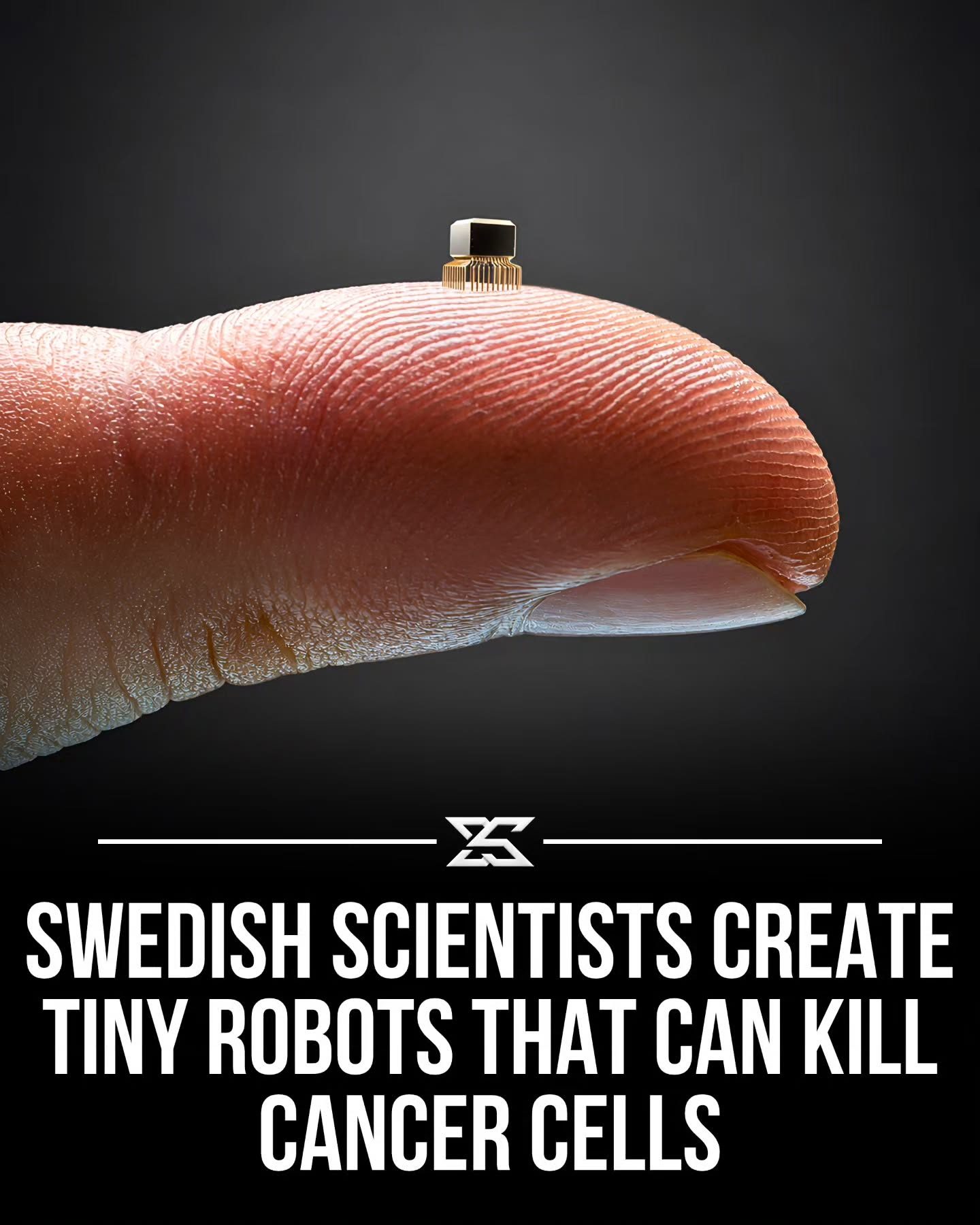
Tiny Robots Kill Cancer Cells
For years, cancer treatment has relied on methods like chemotherapy and radiation, which can be both harsh and imprecise. Scientists at Karolinska Institutet in Sweden have developed a novel approach that aims to change that. They have created tiny DNA-based nanorobots designed to specifically target and destroy cancer cells, leaving healthy tissue unaffected. This groundbreaking research offers a glimpse into a future where cancer treatments can be more precise and less damaging.
Why this Matters
The impact of targeted cancer therapies cannot be overstated. Traditional treatments, while effective in many cases, often cause significant collateral damage. These therapies can harm healthy cells, leading to a host of side effects that can severely impact a patient's quality of life. By targeting only cancer cells, these nanorobots promise a more effective and gentler approach to cancer treatment.
The Nanorobots: How They Work
DNA Origami and Peptide Weapons
The nanorobots are created using a technique called DNA origami. This method allows scientists to fold DNA strands into specific shapes and structures. DNA, the same material that carries our genetic code, is used to build these tiny robots. Inside each nanorobot lies a hidden "weapon" composed of small peptides. When this weapon comes into contact with a cancer cell, it triggers a signal that tells the cell to self-destruct.
The Smart Cage Mechanism
The ingenious design of these nanorobots includes a smart cage mechanism. In normal healthy tissue, the body maintains a neutral pH, which keeps the cage tightly closed. This ensures that the weapon inside remains harmless to healthy cells.
However, cancerous areas often have a more acidic environment. When the nanorobot reaches this acidic region, the cage opens, exposing the weapon only around the cancer cells.
Precision Targeting
This precision targeting is what sets these nanorobots apart. By only releasing their weapon in acidic environments, they ensure that healthy cells remain unharmed. This targeted approach could revolutionize cancer treatment, making it safer and more effective.
Testing and Results
Initial tests on mice with human breast cancer tumors have shown promising results. The nanorobots reduced tumor growth by approximately 70%, a significant reduction that demonstrates their potential. Importantly, these tests also showed that the nanorobots did not damage the healthy tissue surrounding the tumors.
Practical Tips
While the research is still in its early stages, the potential for nanorobots in cancer treatment is immense. For those interested in understanding more about this innovative approach, here are a few practical tips:
-
Stay Informed: Keep up with the latest research and developments in nanorobotics and cancer treatment. This field is rapidly evolving, and new discoveries could have significant implications for cancer treatment.
-
Consult Experts: If you or someone you know is undergoing cancer treatment, consult with healthcare professionals about the latest advancements and potential new therapies.
-
Support Research: Consider supporting organizations and research institutions that are at the forefront of cancer treatment innovations. Your contribution could help accelerate the development of new, more effective treatments.
Important Takeaways
The Future of Cancer Treatment
The development of these nanorobots signals a promising future for cancer treatment. By targeting cancer cells specifically, these tiny robots could lead to more effective and less harmful treatments.
Potential Applications
While the current focus is on cancer treatment, the principles behind these nanorobots could have broader applications. For example, they could be used to target other diseases or conditions that involve specific cellular environments.
Collaboration and Innovation
This breakthrough highlights the importance of collaboration and innovation in medical research. The work at Karolinska Institutet demonstrates what can be achieved when scientists push the boundaries of what is possible.
Conclusion
The creation of DNA-based nanorobots that can target and destroy cancer cells represents a significant leap forward in medical science. This innovative approach, developed by researchers at Karolinska Institutet, offers hope for more precise and less harmful cancer treatments. While still in the early stages of development, the potential for these nanorobots is immense. As research continues, we can expect to see even more groundbreaking advancements in the fight against cancer.
Watch the Reel
Questions readers ask
How do the DNA-based nanorobots specifically target cancer cells?
The nanorobots developed by Swedish scientists are designed to exploit the unique acidic environment found in and around cancerous tumors. This specific targeting allows the nanorobots to release their destructive payloads precisely at cancer cell sites, minimizing impact on healthy tissue.
What is the mechanism by which the nanorobots destroy cancer cells?
Upon encountering the acidic environment of cancerous areas, the nanorobots release a peptide weapon. This peptide triggers a process known as apoptosis, or programmed cell death, effectively destroying the cancer cells without harming surrounding healthy cells.
What are the potential advantages of using nanorobots for cancer treatment?
Nanorobots offer a more precise and less damaging approach to cancer therapy. By specifically targeting cancer cells, they can reduce the harmful side effects often associated with traditional treatments, such as chemotherapy and radiation, which can affect both cancerous and healthy tissue.
Who is conducting this research and where is it being done?
The research on DNA-based nanorobots for cancer treatment is being conducted by scientists at Karolinska Institutet in Sweden. This institution is known for its pioneering work in medical research and innovations.
How do these nanorobots avoid harming healthy tissue?
The nanorobots are programmed to remain inactive in a normal physiological environment. They only activate and release their cancer-killing peptide when they detect the acidic conditions characteristic of cancerous tumors, thus leaving healthy tissue unharmed.
What makes this approach to cancer treatment revolutionary?
This approach is revolutionary because it offers a more targeted and less invasive method of cancer treatment. By focusing solely on cancer cells, these nanorobots have the potential to significantly reduce the adverse effects commonly experienced with conventional cancer therapies.
Related deep dives
Similar reads based on topic and creator.
Recent articles
Fresh deep dives from the latest Reels we unpacked.




Comments
Be the first to comment.