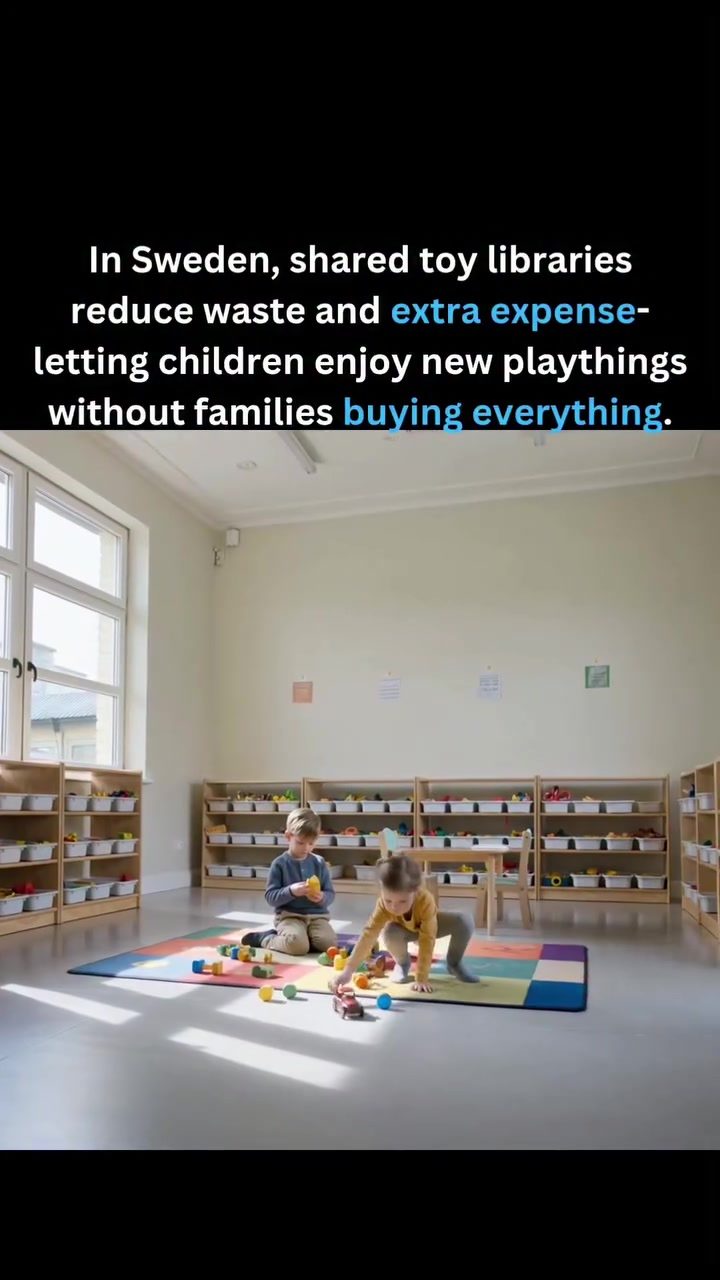
Shared Toy Libraries in Sweden: A Sustainable Solution
Shared toy libraries offer a unique way to reduce waste and save money on children’s playthings.
Shared toy libraries are a rising concept in many countries, providing a sustainable solution to the constant cycle of toy usage and disposal. These libraries allow families to access a variety of toys without the need to purchase them individually, thereby contributing to a reduction in waste and unnecessary expenses.
Why This Matters
Shared toy libraries are more than just an innovative concept; they are a practical solution to a growing environmental concern. With the average child in Western countries receiving an overwhelming number of toys, many of which are discarded or forgotten, shared toy libraries present a way to curb this trend. In Sweden, this concept has gained traction as a means to promote sustainable living while also fostering a sense of community.
Main discussion
The Concept of Shared Toy Libraries
Shared toy libraries operate on a simple yet effective principle: families can borrow toys from a communal collection. This system ensures that children have a continuous supply of new playthings without the need for families to purchase them. The libraries usually have a wide range of toys, from educational games to imaginative play items, catering to different age groups and interests.
Environmental Benefits
One of the most significant advantages of shared toy libraries is their environmental impact. By reducing the number of toys that end up in landfills, these libraries help minimize waste. Additionally, the economic benefits are substantial, as families no longer need to spend money on new toys constantly. Instead, they can exchange and borrow items, stretching their budget further and fostering a sense of community.
Community and Social Benefits
Shared toy libraries also provide a social hub where families can connect and share experiences. In a world where digital interactions often dominate, these libraries offer a physical space for social interaction, reinforcing the value of community and shared resources. This social aspect makes them a place of fun and learning, particularly for young children and their parents.
Practical Tips
To make the most of a shared toy library, here are a few practical tips:
- Regular Check-Ins: Visit the library regularly to return old toys and borrow new ones. This ensures a constant rotation of playthings, keeping children engaged and interested.
- Community Involvement: Encourage your neighbors and friends to participate. The more families involved, the more toys will be available, and the more resources the community can share.
- Donate and Maintain: Consider donating toys that your child has outgrown or no longer uses. Ensure the toys are in good condition and safe for other children to play with. Maintaining the condition of the toys will prolong their usability.
Important Takeaways
Shared toy libraries are a win-win for families and the environment. They offer a cost-effective way to keep children entertained while promoting sustainability. Additionally, they foster a sense of community by creating a space where families can interact and share resources. For families looking to reduce their environmental footprint and save money, joining a shared toy library is a practical and enjoyable solution.
Conclusion
Shared toy libraries in Sweden and elsewhere are a testament to how small, community-driven initiatives can have a significant impact. By reducing waste, saving money, and fostering a sense of community, these libraries offer a tangible solution to a growing problem. Whether you're a parent looking for new toys or an environmentally conscious consumer, shared toy libraries provide a valuable resource. Embrace this sustainable approach and see how it can enrich your family’s life while making a positive contribution to society.
Watch the Reel
Questions readers ask
How do Sweden's shared toy libraries help reduce waste?
Shared toy libraries in Sweden help reduce waste by allowing families to borrow and exchange toys, rather than buying new ones. This extends the lifespan of toys and minimizes the amount of plastic and other materials that end up in landfills.
What is the primary benefit of joining a toy library for families?
The primary benefit is cost savings. Families can access a wide variety of toys without the need to purchase them, which helps to free up money for other expenses or savings.
How can I find a toy library in Sweden or start one in my community?
To find a toy library in Sweden, you can search online for local 'shared toy libraries' or 'toy exchange' groups. For starting one in your community, consider reaching out to local parents' groups on social media or community forums to gauge interest and form a plan.
What types of toys are typically available in a shared toy library?
Shared toy libraries usually offer a wide range of toys suitable for different age groups, including puzzles, board games, action figures, stuffed animals, and outdoor play equipment. The variety ensures that children can explore different types of play.
How do shared toy libraries contribute to community building?
These libraries foster connections among families by providing a space for parents and children to interact, exchange ideas, and build friendships. They also encourage a sense of community responsibility towards sustainability.
Are there any rules or guidelines for using a toy library?
Typically, toy libraries have guidelines such as returning toys in good condition, cleaning them before return, and limiting the number of toys borrowed at one time. These rules help maintain the quality and availability of toys for all members.
Can shared toy libraries be beneficial for the environment?
Yes, by promoting sustainable toy use and reducing the demand for new toys, shared libraries help decrease the environmental impact of toy production and disposal. This includes reducing plastic waste and conserving resources.
Recent articles
Fresh deep dives from the latest Reels we unpacked.




Comments
Be the first to comment.