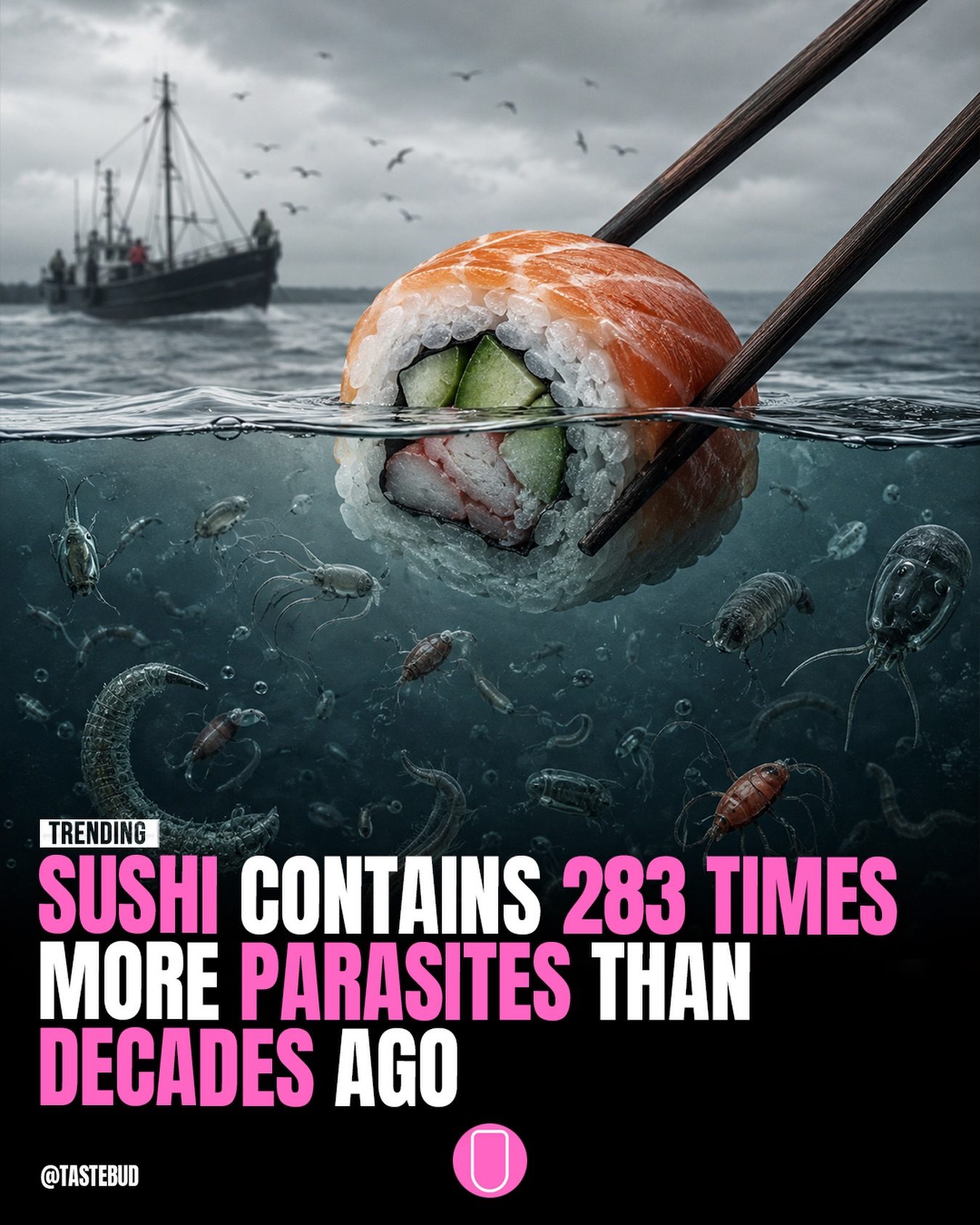
Sushi and Marine Parasites
Sushi is a beloved delicacy enjoyed worldwide, but recent studies have raised concerns about increasing levels of marine parasites in seafood. While the findings may sound alarming, it's essential to understand the context and implications behind these numbers.
Context / Why this matters
Marine parasites have indeed increased dramatically over the years, with levels far higher than what they were decades ago. However, this does not necessarily mean that sushi has suddenly become unsafe to eat. The rise in parasite levels is largely attributed to environmental changes and the growing populations of marine mammals, which can host these parasites.
It's important to note that sushi-grade fish is typically frozen beforehand to kill parasites. This process is part of the standard preparation method for sushi, ensuring that the fish is safe for consumption. The freezing process, often done at extremely low temperatures, effectively eliminates any parasites that may be present in the fish.
Sushi and Parasites
While the numbers may seem alarming, the actual risk of consuming parasites through sushi has not increased as much as people might assume. The perceived danger often stems from misinterpretations of the data and a lack of understanding of the food safety measures in place.
Understanding the Rise in Parasite Levels
The increase in marine parasites can be linked to several factors, including climate change, pollution, and the overpopulation of marine mammals. These environmental changes create favorable conditions for parasites to thrive, leading to higher concentrations in the ocean.
-
Environmental Changes: Climate change affects ocean temperatures and currents, altering the habitats of marine organisms, including parasites. Warmer waters can accelerate the life cycles of parasites, allowing them to reproduce more rapidly and increase their numbers.
-
Marine Mammal Populations: The growing populations of marine mammals, such as seals and dolphins, can also contribute to the rise in parasites. These mammals often host parasites that can later infect fish, which are then consumed by humans. As marine mammal populations increase, so does the potential for parasites to be transmitted to seafood.
The Role of Food Safety Measures
Despite the rise in parasite levels, the risk to consumers is mitigated by strict food safety protocols in the sushi industry. Most sushi-grade fish undergoes a freezing process designed to kill parasites. This step ensures that the fish is safe to eat, even if parasites were present before freezing. The freezing process, known as "super-freezing," is typically done at temperatures below -4°F (-20°C) for a specific duration to ensure the elimination of parasites.
Though it may sound intimidating, freezing fish at such low temperatures does not compromise its quality or taste. In fact, many sushi connoisseurs appreciate the texture and flavor of properly frozen and thawed fish. This method has become an industry standard, ensuring that consumers can enjoy sushi with peace of mind.
Debunking Myths and Assumptions
There are several misconceptions surrounding the safety of sushi and the presence of parasites. Here are some common myths debunked:
-
Myth: Sushi is suddenly unsafe to eat. Fact: While parasite levels have increased, the risk to consumers has not significantly risen due to effective food safety measures, such as freezing.
-
Myth: All sushi contains high levels of parasites. Fact: The presence of parasites in sushi is not uniform. Properly prepared sushi, especially from reputable sources, poses minimal risk.
-
Myth: Freezing fish affects its taste and texture. Fact: Super-freezing, when done correctly, does not compromise the quality of the fish. Many sushi chefs prefer using frozen fish to ensure safety without sacrificing flavor.
Practical Tips
If you're a sushi enthusiast, here are some practical tips to ensure your safety:
-
Choose Reputable Sources: Always opt for sushi from reputable restaurants or fish markets that adhere to strict food safety standards. Look for places that specify their fish is sushi-grade and has been properly frozen.
-
Ask About the Freezing Process: If you're dining out, don’t hesitate to ask your server about the freezing process used for the fish. Reputable establishments will be transparent about their food safety measures.
-
Be Cautious with Raw Fish: While the risk is low, consuming raw or undercooked fish can pose a higher risk of parasite exposure. Be mindful of where you consume raw fish and avoid eating it if you have a compromised immune system.
-
Stay Informed: Keep up-to-date with the latest research and food safety guidelines. Understanding the science behind marine parasites and food safety can help you make informed decisions.
Important Takeaways
The increase in marine parasites is a real phenomenon, but it does not equate to a significant rise in risk for sushi consumers. Understanding the factors contributing to this increase and the food safety measures in place can help alleviate concerns. By choosing reputable sources and staying informed, you can continue to enjoy sushi safely.
Conclusion
In summary, while marine parasites have increased in recent years, the actual risk to sushi consumers remains low due to effective food safety measures. By understanding the facts and choosing high-quality sources, you can continue to enjoy sushi without worrying about parasitic infections. Always prioritize reputable establishments and stay informed about food safety practices to ensure a safe and enjoyable dining experience.
Watch the Reel
Questions readers ask
Why are marine parasite levels increasing in sushi-grade fish?
Marine parasite levels have been rising due to environmental changes and increasing marine mammal populations. These mammals often host parasites, which can then be found in fish that humans consume.
Is it safe to eat sushi given the rising parasite levels?
Yes, it is safe to eat sushi prepared from sushi-grade fish. Proper freezing methods kill parasites, making sushi a safe option for consumption.
How do environmental changes affect parasite levels in marine life?
Environmental changes, such as warming waters and pollution, can create ideal conditions for parasites to thrive. They can also alter the behavior and health of marine mammals, leading to increased parasite transmission.
What makes sushi-grade fish safe from parasites?
Sushi-grade fish is typically frozen at very low temperatures for a specific duration to kill any parasites that may be present. This process ensures that the fish is safe for raw consumption.
Should I be concerned about parasites if I eat sushi regularly?
Regular sushi consumption is generally safe due to the freezing process that kills parasites. However, it's important to enjoy sushi from reputable sources that adhere to proper food handling and preparation guidelines.
Related deep dives
Similar reads based on topic and creator.



Recent articles
Fresh deep dives from the latest Reels we unpacked.




Comments
Be the first to comment.