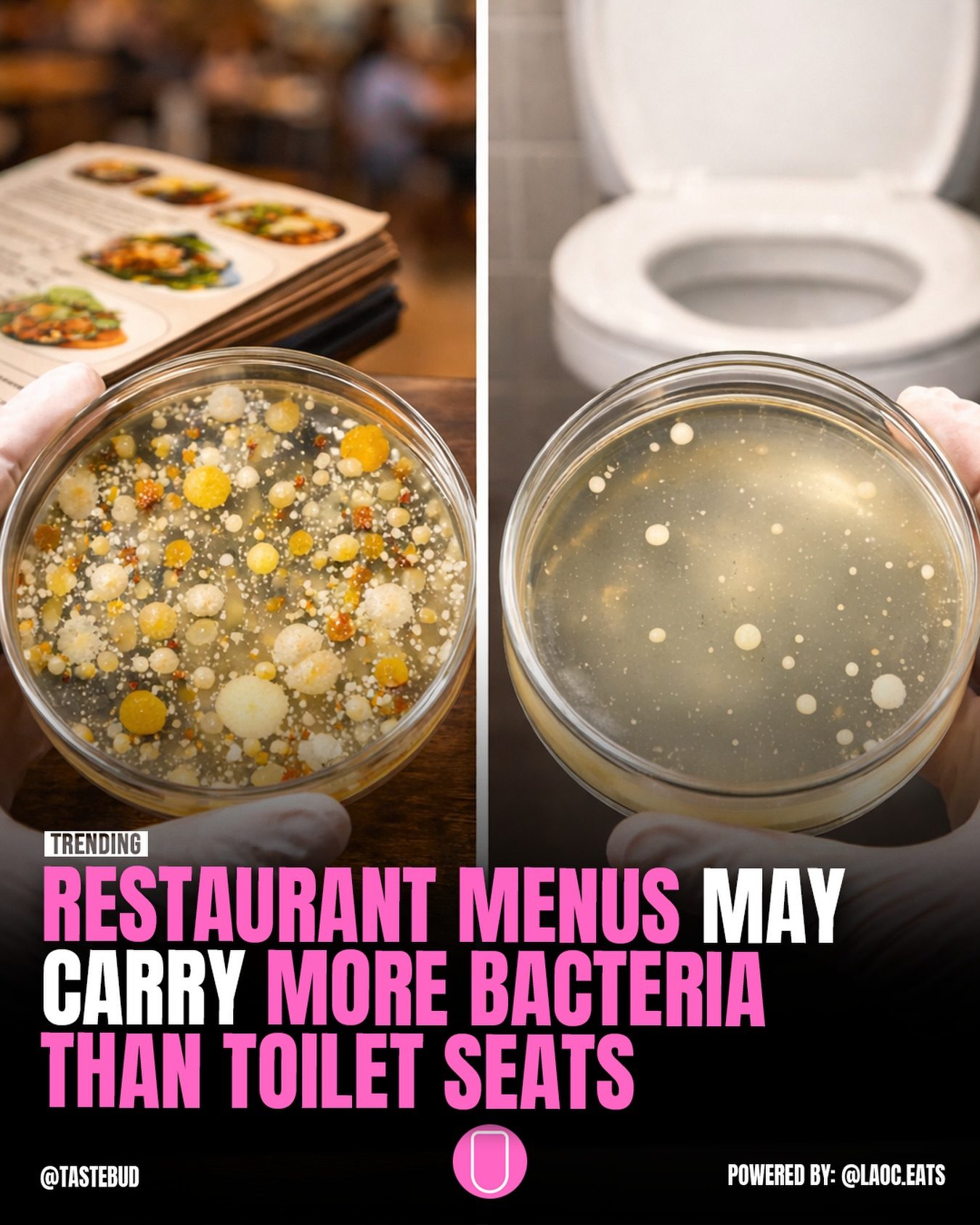
Restaurant Menus and Bacteria
Restaurant menus are ubiquitous in dining establishments, providing customers with a list of dishes and beverages. However, recent studies have shed light on an unsettling fact: these menus can harbor a significant amount of bacteria, sometimes even more than surfaces typically associated with higher germ loads, like toilet seats.
Why this matters
Understanding the bacterial content on restaurant menus is crucial for both customers and restaurant owners. For diners, awareness can influence hygiene practices and choices. For restaurant staff, it emphasizes the need for stricter sanitation protocols to ensure customer safety and satisfaction.
Menu hygiene is often overlooked, despite the critical role these items play in the dining experience. Menus are handled by numerous customers throughout the day, making them potential hotspots for bacterial growth. Unlike tables or counters, menus are rarely cleaned regularly, allowing bacteria to accumulate.
The extent of the problem
Studies have found that restaurant menus can contain up to 100 times more bacteria than a typical toilet seat. This staggering figure highlights the potential health risks associated with these everyday items. Researchers have identified samples with as many as 185,000 microorganisms on a single menu. Common microbes found include dangerous strains like Escherichia coli and Staphylococcus aureus.
Common bacteria found on menus
Escherichia coli (E. coli) and Staphylococcus aureus (S. aureus) are among the most concerning bacteria found on restaurant menus. E. coli can cause severe food poisoning and gastrointestinal illnesses, while S. aureus is known for causing skin infections and food poisoning.
Factors contributing to bacterial growth
Several factors contribute to the high bacterial count on restaurant menus. The primary culprit is the lack of regular cleaning. Unlike tables or counters, menus are often not sanitized after each use. Additionally, the frequent handling by customers increases the risk of bacterial transfer.
High-touch surfaces and transmission
Menus are high-touch surfaces, meaning they are frequently handled by multiple people throughout the day. This constant contact increases the risk of bacterial transmission. Bacteria can be easily transferred from one surface to another through touch, making menus a prime candidate for harboring germs.
Comparing menus and toilet seats
The comparison between restaurant menus and toilet seats is particularly eye-opening. Toilet seats are often perceived as filthy, but studies show that menus can be even dirtier. This disparity is due to the lack of cleaning protocols for menus. Toilet seats are typically cleaned more frequently, reducing the risk of bacterial growth. In contrast, menus are handled by countless customers without adequate sanitation, leading to higher bacterial loads.
Petri dish comparison
Visual representations, such as petri dishes, illustrate the extent of bacterial growth on menus compared to toilet seats. The dishes show significant bacterial growth, with the menu dish often appearing to have a more diverse and potentially larger colony. This visual evidence underscores the importance of hygiene practices in restaurants.
Bacteria on other high-touch surfaces
While menus garner significant attention, other high-touch surfaces in restaurants also pose health risks. These include salt and pepper shakers, condiment packets, and even menus stored in plastic or paper sleeves. These items are frequently handled by customers and staff, increasing the risk of bacterial transmission.
Practical tips
To minimize the risk of bacterial transmission, both customers and restaurant staff can take several practical steps.
For customers
- Use hand sanitizer or wash your hands before and after handling menus.
- Avoid sharing utensils, glasses, or other dining items with others.
- Wash your hands after eating or touching high-touch surfaces in the restaurant.
For restaurant staff
- Implement regular cleaning protocols for menus, ensuring they are sanitized after each use.
- Encourage customers to use digital menus or single-use paper copies when possible.
- Provide hand sanitizing stations for both customers and staff.
Menus and cross-contamination
Cross-contamination occurs when bacteria are transferred from one surface to another. Menus can play a significant role in this process, as they are handled by multiple people and may come into contact with other surfaces. To mitigate this risk, restaurants should implement strict cleaning protocols and encourage customers to use digital or single-use menus.
Important takeaways
The high bacterial count on restaurant menus underscores the importance of hygiene practices in dining establishments. Regular cleaning protocols, customer awareness, and the use of digital or single-use menus can help mitigate the risk of bacterial transmission. By taking these steps, both customers and restaurant staff can enjoy a safer dining experience.
Conclusion
Restaurant menus, while essential for the dining experience, can harbor a significant amount of bacteria. Understanding the extent of this problem and implementing practical solutions can help reduce the risk of bacterial transmission. For customers, awareness and basic hygiene practices can go a long way in ensuring a safe dining experience. For restaurant staff, regular cleaning and the use of digital or single-use menus can significantly improve hygiene standards. By taking these steps, we can all contribute to a safer and more hygienic dining environment.
Watch the Reel
Questions readers ask
How often should restaurant menus be cleaned to prevent bacterial buildup?
Restaurant menus should be cleaned and disinfected regularly, ideally at the end of each shift or at least daily. High-traffic times may necessitate more frequent cleaning. Using appropriate disinfectants and following proper cleaning protocols can help reduce bacterial contamination effectively.
What types of bacteria are commonly found on restaurant menus?
Restaurant menus can harbor a variety of bacteria, including E. coli, Staphylococcus, and other harmful microbes. These bacteria can be transferred from one customer's hands to the menu, and then to the next, and so on. Therefore, it is essential to maintain high hygiene standards.
Why might restaurant menus have more bacteria than toilet seats?
Menu surfaces are often handled by many customers throughout the day, with few opportunities to sanitize them. In contrast, toilet seats are typically cleaned more regularly. The frequency of handling and infrequent cleaning can lead to a higher concentration of harmful bacteria on menus than on toilet seats.
What are some effective ways to disinfect restaurant menus?
To disinfect restaurant menus, use a solution of one part bleach to nine parts water, or a disinfectant wipe approved by the EPA. Ensure the solution is left on the surface for the recommended time to kill bacteria, then wipe clean with a fresh, damp cloth. Avoid using excessive liquid to prevent damaging the menu.
How can diners protect themselves from bacteria on restaurant menus?
Diners can take several steps to minimize their risk, such as avoiding touching their face or food after handling a menu, using hand sanitizer before and after dining, and considering digital menus if available. If possible, request a menu that has been recently cleaned.
Are there any specific guidelines for restaurant staff regarding menu hygiene?
Restaurant staff should follow strict hygiene protocols, including regular handwashing, using gloves when handling menus, and disinfecting menus between uses. Training staff on proper hygiene practices and maintaining a clean environment can significantly reduce the risk of bacterial contamination.
What are the potential health risks associated with bacterial contamination on restaurant menus?
Bacterial contamination on restaurant menus can lead to various health issues, including food poisoning, gastrointestinal infections, and skin infections. Individuals with compromised immune systems or underlying health conditions may be more susceptible to severe complications.
Related deep dives
Similar reads based on topic and creator.



Recent articles
Fresh deep dives from the latest Reels we unpacked.




Comments
Be the first to comment.