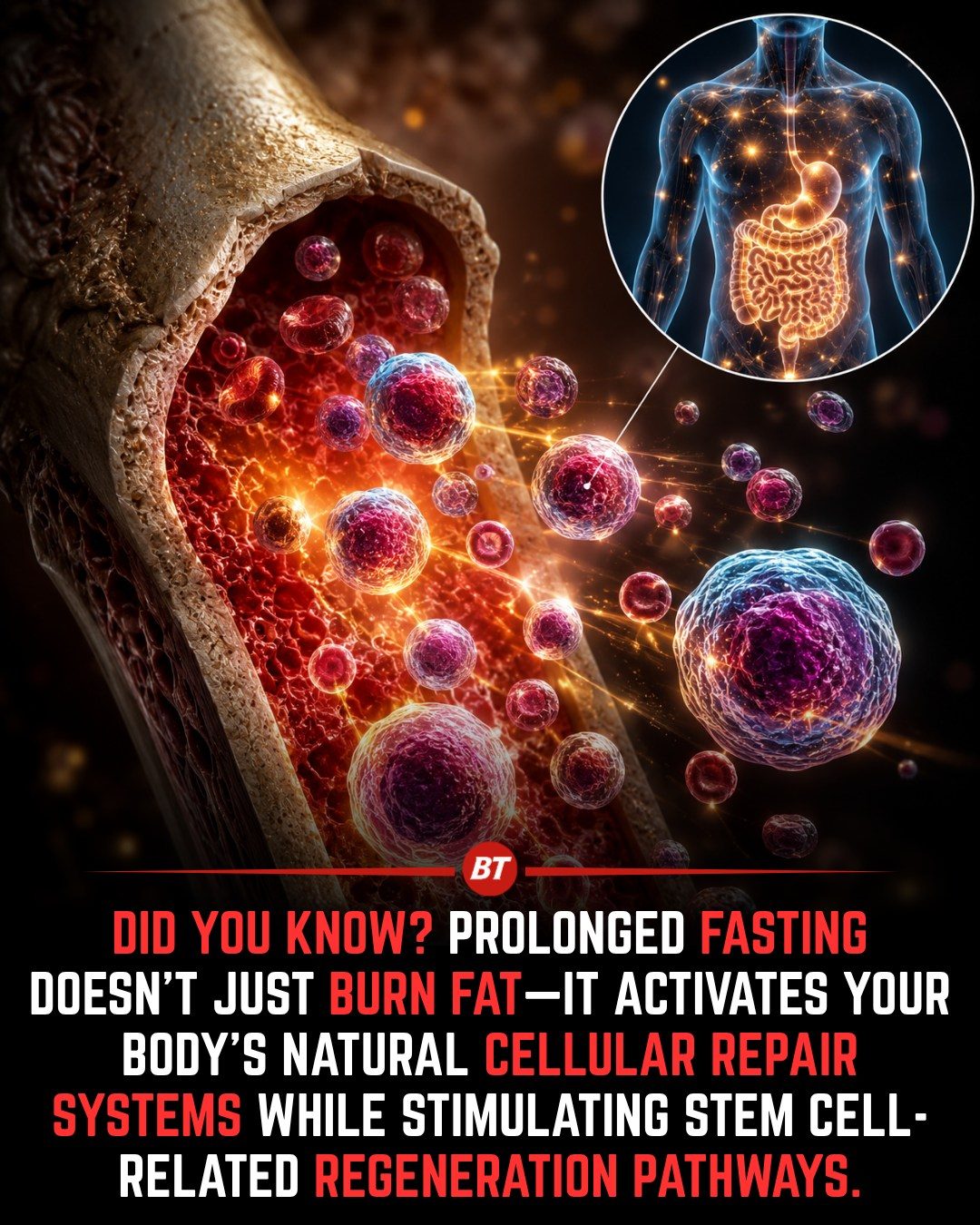
Prolonged Fasting
Prolonged fasting offers more than just weight loss benefits. It triggers a significant metabolic shift that can activate the body's natural cellular maintenance systems and potentially stimulate regenerative pathways. This process involves several key mechanisms that are actively studied by scientists.
Why This Matters
Prolonged fasting is more than a diet trend; it's a powerful tool for metabolic health. Understanding how it works can help individuals make informed decisions about their health and well-being. The benefits of prolonged fasting extend beyond simple calorie restriction, impacting cellular repair, immune function, and even longevity.
Main Discussion
The Metabolic Shift
After about 24–48 hours without food, the body begins to switch from burning glucose to burning stored fat. This shift produces molecules called ketones, which are used for energy. Simultaneously, nutrient-sensing pathways such as mTOR become less active, while AMPK becomes more active. This shift moves cells away from growth and toward repair and maintenance. AMPK, or AMP-activated protein kinase, is a key regulator of cellular energy homeostasis. Its activation can improve metabolic health by enhancing glucose uptake and fatty acid oxidation.
Autophagy and Cellular Repair
One of the most intriguing processes associated with fasting is autophagy. Autophagy is the body's built-in cellular recycling system. Nobel Prize-winning scientist Dr. Yoshinori Ohsumi's research showed how cells break down and recycle damaged proteins and worn-out cellular components. This process helps maintain healthier cells and is believed to play a crucial role in healthy aging. Although much of the evidence comes from laboratory and animal studies, the potential benefits for humans are promising.
Immune System Benefits
Prolonged fasting also has implications for the immune system. Studies led by Dr. Valter Longo found that fasting periods of 48–72 hours can activate stem cell-related regenerative pathways. These pathways are involved in rebuilding immune cells after refeeding. While these findings are encouraging, more large human clinical trials are needed to confirm these effects in healthy adults fully.
Cellular Regeneration Pathways
Prolonged fasting stimulates stem cell-related regeneration pathways. These pathways are essential for tissue repair and regeneration. By activating these pathways, fasting may help the body repair damaged tissues and promote overall health. The regenerative effects of fasting are still a active area of research, but the preliminary findings are exciting.
Practical Tips
If you're considering prolonged fasting, it's essential to approach it with caution. Extended fasts are not suitable for everyone. Before trying prolonged fasting, consult your healthcare provider, especially if you have diabetes, take medications, are pregnant, or have certain medical conditions. Here are some practical tips to get started:
Consult a Healthcare Provider
Always consult with a healthcare provider before beginning any fasting regimen. This is especially important if you have underlying health conditions or are taking medications.
Stay Hydrated
During a prolonged fast, it's crucial to stay hydrated. Drink plenty of water and consider adding electrolytes to your water to maintain proper hydration.
Monitor Your Body
Pay attention to how your body responds to fasting. If you experience dizziness, fatigue, or other adverse symptoms, it may be a sign that fasting is not suitable for you.
Gradual Introduction
If you're new to fasting, consider starting with shorter fasts and gradually increasing the duration. This can help your body adapt to the changes more smoothly.
Listen to Your Body
Your body's response to fasting can vary. If you feel unwell or experience any negative symptoms, it's important to listen to your body and adjust your approach accordingly.
Important Takeaways
Prolonged fasting offers a range of benefits beyond weight loss, including metabolic health, cellular repair, and immune system support. However, it's essential to approach fasting with caution and consult a healthcare provider before beginning. By understanding the mechanisms behind fasting and following practical tips, you can harness its potential benefits safely and effectively.
Conclusion
Prolonged fasting is a powerful tool for metabolic health and cellular repair. By triggering a metabolic shift, activating autophagy, and stimulating regenerative pathways, fasting can have profound effects on the body. However, it's crucial to approach fasting with caution and consult a healthcare provider before beginning. With the right approach, prolonged fasting can be a valuable addition to a healthy lifestyle.
Watch the Reel
Questions readers ask
What is autophagy and how does it relate to prolonged fasting?
Autophagy is a natural process where cells break down and recycle their own components. Prolonged fasting triggers autophagy, helping to remove damaged cell parts and promote cellular renewal. This process is a key factor in the regenerative benefits of fasting.
How does prolonged fasting impact immune function?
Prolonged fasting can enhance immune function by reducing inflammation and promoting the regeneration of immune cells. During fasting, the body produces new white blood cells, which can strengthen the immune system.
Can prolonged fasting really help with weight loss?
Yes, prolonged fasting can lead to significant weight loss, but it's important to note that it's not solely about calorie restriction. The metabolic shift during fasting helps burn stored fat for energy, and it can also reduce overall caloric intake.
What are some ways to safely start a prolonged fasting regimen?
Before beginning, consult with a healthcare provider to ensure it's suitable for you. Start with shorter fasting periods, gradually increasing the duration as your body adapts. Stay hydrated and monitor your body's responses throughout the process.
How does prolonged fasting affect overall well-being?
Prolonged fasting can improve overall well-being by enhancing cellular repair, boosting immune function, and promoting a sense of mental clarity. Many people report feeling more energetic and focused during and after fasting periods.
Are there any specific metabolic pathways activated during prolonged fasting?
When fasting, the body switches from using glucose to burning stored fat for energy. This metabolic shift activates pathways that promote fat breakdown, improve insulin sensitivity, and stimulate the production of ketones for fuel.
Related deep dives
Similar reads based on topic and creator.



Recent articles
Fresh deep dives from the latest Reels we unpacked.




Comments
Be the first to comment.