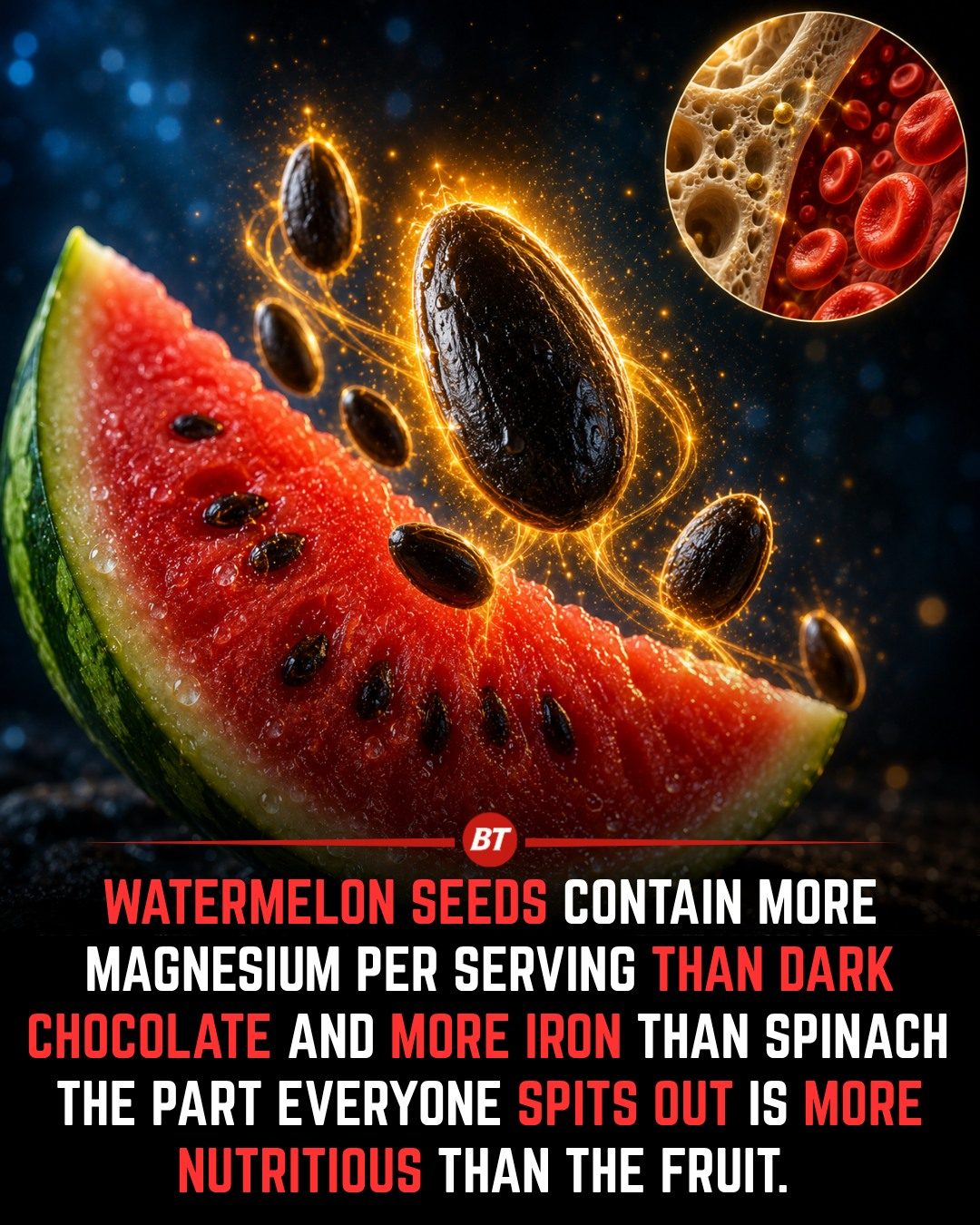
Watermelon seeds are often discarded, but they are actually a nutritional powerhouse. When dried or roasted, watermelon seeds become a concentrated source of essential minerals.
Context / Why this matters
Most people don't realize that the watery flesh of the watermelon has a different nutritional profile than its seeds. The juicy part of the watermelon contains lycopene, vitamin C, potassium, and citrulline, but the seeds provide a unique set of nutrients. These seeds are rich in magnesium, iron, zinc, healthy fats, and plant protein.
Main discussion
Nutritional Highlights
When compared to common foods, watermelon seeds are quite nutritious. Specifically, their magnesium and iron content stands out:
- Magnesium: Essential for muscle function, nerve signaling, and energy production. Magnesium also supports healthy blood pressure.
- Iron: Crucial for transporting oxygen throughout the body.
- Zinc: Important for immune function, wound healing, and normal cell growth.
- Unsaturated Fats: Beneficial for heart health.
- Plant Protein: Provides the building blocks for various bodily functions.
Nutrient Comparisons
The nutritional content of watermelon seeds is particularly impressive when compared to other well-known foods.
Seeds contain considerably more magnesium per serving than dark chocolate. This makes them an excellent source of this vital mineral, which is often sought after in dietary supplements and healthy snacks.
Moreover, watermelon seeds contain more iron than spinach. Iron is essential for oxygen transport in the blood, making these seeds a valuable addition to a balanced diet, especially for those with iron deficiencies.
Nutritional Benefits in Detail
The seeds pack a lot of nutritional value:
- Magnesium: This mineral is critical for muscle and nerve function, energy production, and maintaining healthy blood pressure. A serving of watermelon seeds provides a significant amount of magnesium, making it a useful addition to any diet.
- Iron: Essential for transporting oxygen throughout the body, iron is crucial for overall health. Watermelon seeds provide a natural source of iron, which can help prevent anemia and support overall well-being.
- Zinc: This mineral plays a key role in immune function, wound healing, and maintaining normal cell growth. The presence of zinc in watermelon seeds makes them a valuable part of a balanced diet.
- Healthy Fats: Unsaturated fats, which are found in watermelon seeds, are beneficial for heart health. These fats help maintain healthy cholesterol levels and reduce the risk of heart disease.
- Plant Protein: Including plant protein in the diet is essential for muscle growth and repair. Watermelon seeds provide a natural source of plant protein, making them a useful addition to any diet, especially for vegetarians and vegans.
Comparison to Other Seeds
Watermelon seeds are similar to other edible seeds like pumpkin and sunflower seeds. These seeds are often used as snacks or in cooking and baking because they provide a range of essential nutrients.
Practical tips
Roasting Watermelon Seeds
They're especially tasty when they're dried or roasted. To roast watermelon seeds, follow these simple steps:
- Wash: Start by washing the seeds thoroughly to remove any pulp or dirt.
- Dry: Let the seeds dry completely. This can be done by spreading them out on a paper towel and leaving them overnight.
- Roast: Preheat your oven to 300°F (150°C). Spread the seeds on a baking sheet and drizzle with a small amount of olive oil. Sprinkle with your favorite herbs, spices, or a pinch of salt for added flavor. Roast for about 15-20 minutes, stirring occasionally, until they're golden brown and crispy.
- Serve: Allow the seeds to cool before storing them in an airtight container. Use them as a crunchy topping for salads, yogurt, oatmeal, or grain bowls.
Incorporating into Your Diet
Watermelon seeds can be incorporated into various dishes to add a nutritional boost. Here are a few ideas:
- Salads: Sprinkle roasted watermelon seeds over your favorite salad for added crunch and nutrition. They pair well with leafy greens, vegetables, and dressings.
- Oatmeal: Add a handful of roasted seeds to your morning oatmeal for a nutritious breakfast. They add a satisfying crunch and a variety of nutrients.
- Baking: Use ground watermelon seeds in baking recipes, such as muffins, bread, or cookies, to add extra protein, fiber, and minerals.
- Yogurt: Mix roasted seeds into your yogurt for a healthy snack or breakfast option.
Important takeaways
For anyone looking to maximize their nutritional intake, watermelon seeds are a fantastic addition. When dried or roasted, they become a concentrated source of essential minerals.
By incorporating watermelon seeds into your diet, you can enjoy a variety of health benefits. These seeds provide a rich source of magnesium, iron, zinc, healthy fats, and plant protein. They support overall health, boost the immune system, and contribute to a balanced diet.
Conclusion
Watermelon seeds are a versatile and nutritious addition to any diet. Instead of discarding them, consider drying or roasting them to enjoy their nutritional benefits. Incorporate them into your meals and snacks for a healthy boost of minerals and protein. By embracing this often overlooked part of the watermelon, you can enhance your nutritional intake and support overall health.
Watch the Reel
Questions readers ask
Are watermelon seeds safe to eat?
Yes, watermelon seeds are safe to eat and offer numerous health benefits. They can be consumed raw, dried, or roasted. However, ensure you clean them thoroughly if eating raw.
What are the nutritional benefits of watermelon seeds?
Watermelon seeds contain several essential nutrients, including healthy fats, plant protein, and a rich mineral profile. They are particularly high in magnesium, iron, and zinc, which are vital for various bodily functions.
How much magnesium do watermelon seeds contain?
Watermelon seeds are an excellent source of magnesium, with about 18% of the daily recommended intake per ounce. Magnesium is crucial for muscle function, nerve signaling, and energy production.
Can eating watermelon seeds help with iron deficiency?
Yes, watermelon seeds are a good source of iron, providing about 11% of the daily recommended intake per ounce. Incorporating them into your diet can help boost your iron levels, which is particularly beneficial for those with iron deficiency.
How do watermelon seeds compare to other plant-based protein sources?
Watermelon seeds offer a unique nutritional profile compared to the watermelon flesh. When roasted, they provide about 9.5 grams of plant-based protein per ounce. This makes them a great addition to a plant-based diet, along with other sources like legumes and nuts.
What are some creative ways to incorporate watermelon seeds into my diet?
You can add watermelon seeds to salads, yogurt, or oatmeal for a crunchy texture. They can also be ground and used as a flour substitute in baking recipes. Additionally, roasted watermelon seeds make a nutritious and satisfying snack.
How do the nutrients in watermelon seeds differ from those in the watermelon flesh?
While the watermelon flesh is rich in lycopene, vitamin C, potassium, and citrulline, the seeds offer a different set of nutrients. Watermelon seeds are particularly high in magnesium, iron, zinc, healthy fats, and plant protein, which are essential for various bodily functions.
Related deep dives
Similar reads based on topic and creator.




Recent articles
Fresh deep dives from the latest Reels we unpacked.




Comments
Be the first to comment.