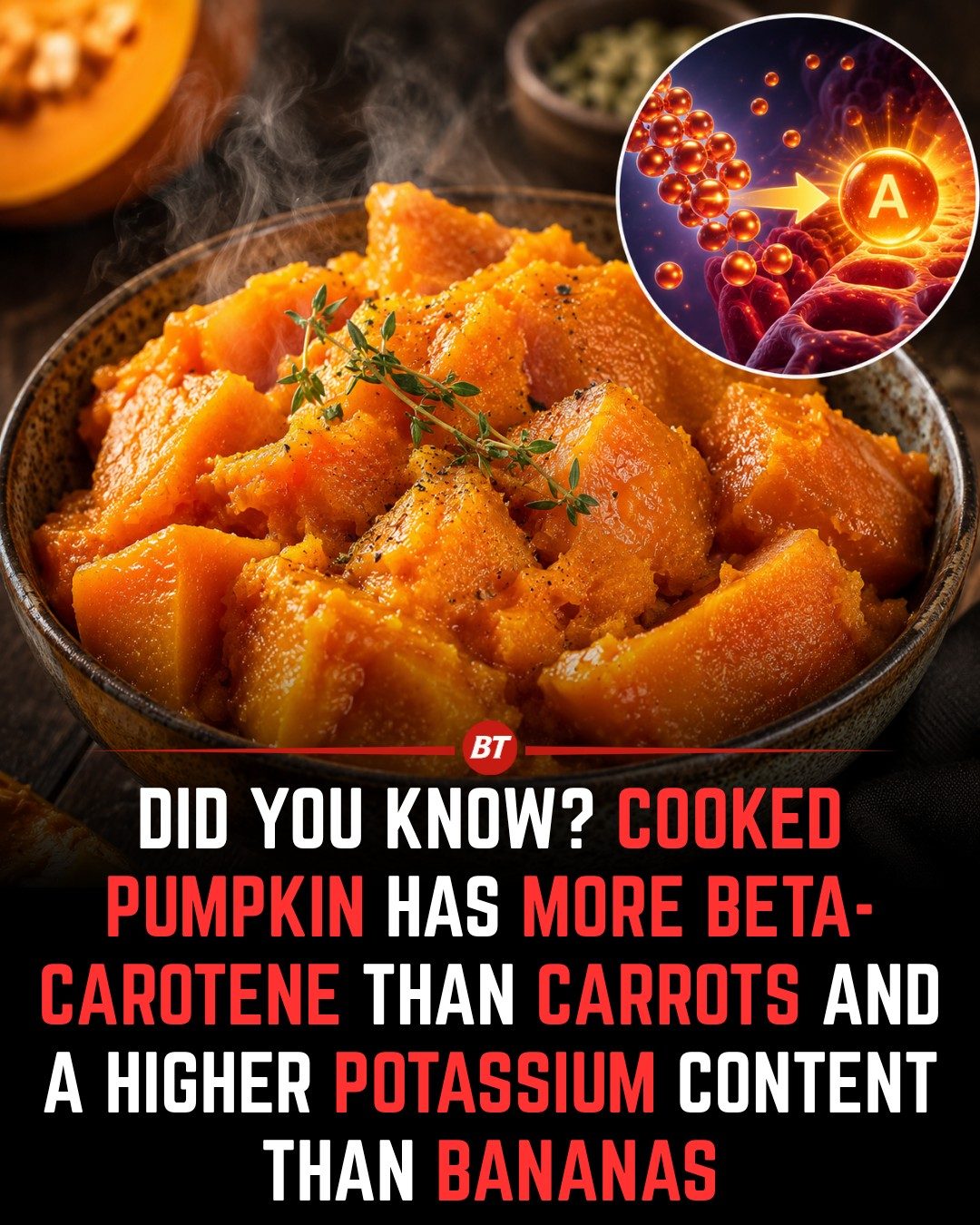
Pumpkin is a seasonal favorite, but it's also one of the most nutrient-dense vegetables you can include in your diet. This versatile squash is not only a staple in fall recipes but also a powerhouse of essential nutrients that often go unnoticed.
Why Pumpkin Matters
Pumpkin's nutritional profile is impressive. When cooked, its cell walls soften, making key nutrients more accessible to the body. This process is particularly beneficial for beta-carotene, an orange pigment that your body converts into vitamin A. Vitamin A is crucial for maintaining healthy vision, promoting skin health, supporting immune function, and aiding in cellular repair. Research has shown that orange vegetables rich in beta-carotene help protect the retina from oxidative stress and maintain normal vision, especially in low-light conditions. This makes pumpkin an excellent choice for supporting eye health.
Beyond vitamin A, pumpkin is packed with potassium. This mineral is essential for regulating blood pressure, muscle contractions, hydration, and nerve signaling. Diets high in potassium have been linked to better cardiovascular health and healthier blood pressure levels. In fact, cooked pumpkin contains more potassium than bananas, making it a worthy addition to any diet.
Nutritional Breakdown
Beta-Carotene and Vitamin A
Beta-carotene is one of the most notable nutrients in pumpkin. When consumed, your body converts beta-carotene into vitamin A, a nutrient essential for various bodily functions. The beta-carotene in pumpkin is easily absorbed by the body, especially when the pumpkin is cooked. This makes pumpkin a fantastic source of vitamin A, which is important for maintaining healthy vision, supporting immune function, and promoting skin health. Pumpkin's beta-carotene content is particularly impressive because it delivers a significant amount of this nutrient while remaining naturally low in calories.
Potassium
Potassium is another key nutrient found in abundance in pumpkin. This mineral plays a crucial role in regulating blood pressure, muscle contractions, hydration, and nerve signaling. A diet rich in potassium is associated with better cardiovascular health and healthier blood pressure levels. In fact, cooked pumpkin has a higher potassium content than bananas, which are often touted for their potassium levels. This makes pumpkin an excellent choice for maintaining overall health and well-being.
Other Nutrients
Pumpkin offers a range of additional nutrients that support overall health. It is rich in fiber, which aids in digestion and promotes gut health. The vegetable also contains vitamin C, an antioxidant that boosts the immune system and supports healthy skin. Antioxidants in pumpkin help fight inflammation and oxidative stress, contributing to healthy aging and reduced risk of chronic diseases. The plant compounds in pumpkin, such as lutein and zeaxanthin, further support eye health and cardiovascular health.
Practical Tips
Incorporating Pumpkin into Your Diet
Incorporating pumpkin into your diet is easy and can be done in various ways. Roasted pumpkin is a delicious and simple way to enjoy this nutritious vegetable. Pairing it with a healthy fat such as olive oil, nuts, or seeds can enhance the absorption of its beta-carotene. Pumpkin can also be used in soups, stews, and smoothies. Adding cooked pumpkin to oatmeal is another great way to boost your nutrient intake.
When cooking pumpkin, it’s best to roast or steam it to retain its nutritional value. Roasting pumpkin brings out its natural sweetness and enhances its flavor. You can also add pumpkin to baked goods, such as muffins and bread, for a nutrient boost. Pureed pumpkin can also be used in sauces and as a base for creamy soups and stews.
Cooking Methods
Cooking pumpkin can be done in several ways, each bringing out different flavors and textures:
-
Roasting: Cut the pumpkin into cubes, toss in olive oil, salt, and pepper, and roast in the oven until tender. This method brings out the natural sweetness of the pumpkin and adds a slightly crispy texture.
-
Steaming: Cut the pumpkin into chunks and steam until tender. This method is quick and retains the pumpkin's vibrant color.
-
Boiling: Cut the pumpkin into chunks and boil until tender. This method is gentle and allows the pumpkin to retain its nutritional value.
Recipe Ideas
Here are some recipe ideas to help you incorporate pumpkin into your meals:
-
Pumpkin Soup: Combine roasted or steamed pumpkin with onions, garlic, and vegetable broth. Blend until smooth and serve with a dollop of Greek yogurt and a sprinkle of pumpkin seeds.
-
Roasted Pumpkin Salad: Toss roasted pumpkin with mixed greens, cherry tomatoes, and a balsamic vinaigrette. Top with crumbled feta cheese and toasted walnuts for added crunch and flavor.
-
Pumpkin Oatmeal: Add cooked pumpkin to a bowl of oatmeal for a creamy, nutritious breakfast. Top with a sprinkle of cinnamon, a drizzle of honey, and a handful of nuts or seeds.
Important Takeaways
Though pumpkin is often associated with fall and festive decorations, its nutritional benefits make it a year-round staple. It's a versatile ingredient that can be easily incorporated into a variety of dishes. Pumpkin is not only a delicious addition to your meals but also a powerful source of essential nutrients. By including pumpkin in your diet, you can support your overall health and well-being.
Conclusion
Pumpkin is more than just a seasonal decoration. Its nutritional profile makes it a valuable addition to any diet, providing essential nutrients that support eye health, cardiovascular health, and overall well-being. Whether you enjoy it roasted, in soups, or as a base for baked goods, pumpkin offers a range of health benefits that can enhance your diet and promote better health. So, the next time you see a pumpkin, consider adding it to your meals and reap the benefits of this nutrient-dense vegetable.
Watch the Reel
Questions readers ask
What are the key nutrients found in cooked pumpkin?
Cooked pumpkin is rich in beta-carotene, which the body converts to vitamin A, and potassium, which supports muscle and nerve function, as well as regulates blood pressure. It also contains antioxidants, vitamins, and minerals that promote overall health.
How does cooking enhance the nutritional benefits of pumpkin?
Cooking pumpkin softens its cell walls, making essential nutrients, particularly beta-carotene, more accessible and easier for the body to absorb.
What role does the beta-carotene in pumpkin play in health?
Beta-carotene is a powerful antioxidant that the body converts to vitamin A. This conversion supports eye health, promotes skin health, and strengthens the immune system. Furthermore, it aids in cellular repair and helps protect the retina from oxidative stress.
How does pumpkin benefit eye health?
Pumpkin's high beta-carotene content converts to vitamin A, which is essential for maintaining healthy vision. This nutrient helps protect the retina and supports overall eye health, especially in maintaining normal vision.
How can pumpkin support a healthy immune system?
The vitamin A from the beta-carotene in pumpkin plays a crucial role in boosting the immune system. It promotes the production of white blood cells, which help fight off infections and illnesses.
What are the benefits of the potassium in pumpkin?
The potassium in pumpkin is vital for maintaining proper muscle and nerve function. It also helps regulate blood pressure by balancing electrolytes and supporting heart health.
Can cooked pumpkin help lower blood pressure?
Yes, the potassium in cooked pumpkin can help regulate blood pressure by counteracting the effects of sodium. It also supports overall cardiovascular health, making it a beneficial addition to a balanced diet.
Related deep dives
Similar reads based on topic and creator.




Recent articles
Fresh deep dives from the latest Reels we unpacked.




Comments
Be the first to comment.