Watermelon Seeds: A Forgotten Nutritional Powerhouse
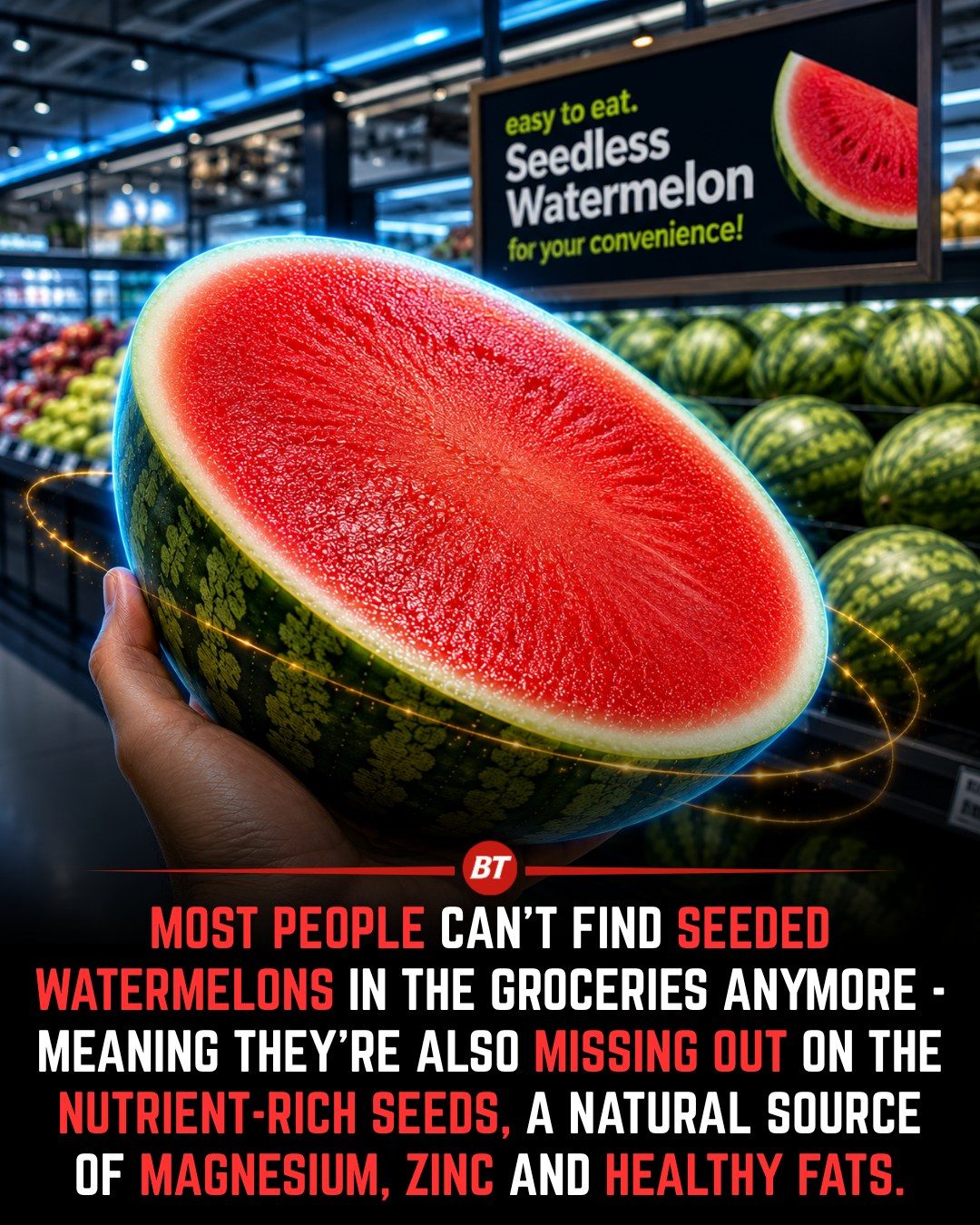
The evolution of seedless watermelons has led to a generation growing up without ever tasting a seeded watermelon. Once a staple in grocery stores, seeded watermelons are becoming increasingly hard to find. As seedless varieties dominate supermarket shelves, we're missing out on one of the fruit's most nutritious—and most overlooked—parts: the seeds.
Why This Matters
The shift from seeded to seedless watermelons has had an unexpected consequence. Previous generations commonly roasted and ate watermelon seeds, recognizing them as a nutrient-rich food. Today, fewer people consider the seeds' potential benefits, often discarding them without a second thought.
The Nutritional Power of Watermelon Seeds
Watermelon seeds are packed with essential nutrients. When roasted, they become a crunchy, nutritious snack. Here’s a breakdown of their nutritional benefits:
Magnesium
Magnesium is a mineral involved in over 300 biochemical reactions in the body. It plays a crucial role in muscle and nerve function, blood sugar control, and blood pressure regulation. Watermelon seeds are an excellent source of this vital mineral, providing a substantial amount with minimal calories.
Zinc
Zinc is essential for a healthy immune system. It aids in wound healing, protein synthesis, and the proper functioning of enzymes. The seeds' zinc content helps support immune health, making them a valuable addition to any diet.
Iron
Iron is necessary for the production of hemoglobin, a protein in red blood cells that carries oxygen throughout the body. Including watermelon seeds in your diet can help boost iron intake, preventing anemia and supporting overall energy levels.
Plant Protein
Watermelon seeds are a good source of plant protein, making them a valuable addition to vegetarian and vegan diets. Protein is essential for building and repairing tissues, producing enzymes and hormones, and maintaining a healthy immune system.
Healthy Fats
Heart-healthy unsaturated fats are also present in watermelon seeds. Consuming these fats can help reduce the risk of heart disease and lower cholesterol levels, supporting overall cardiovascular health.
The Challenges of Consuming Watermelon Seeds
While watermelon seeds are nutritious, consuming them raw may not provide the same benefits. The hard outer shell of fresh seeds is difficult to digest, making it hard for the body to absorb the nutrients. Roasting the seeds, however, makes them easier to digest and opens up their nutritional potential.
Practical Tips for Incorporating Watermelon Seeds into Your Diet
If you come across a seeded watermelon, don’t toss the seeds. Here are some practical tips to help you incorporate them into your diet:
Roasting Watermelon Seeds
To roast watermelon seeds, follow these simple steps:
- Rinse the seeds to remove any pulp.
- Pat them dry with a paper towel.
- Spread the seeds on a baking sheet.
- Sprinkle with a bit of salt or your favorite seasoning.
- Bake at 300°F (150°C) for about 15-20 minutes, or until the seeds turn golden brown.
- Let them cool, and enjoy as a snack.
Adding to Recipes
You can also incorporate roasted watermelon seeds into various recipes. Here are a few ideas:
- Salads: Sprinkle roasted seeds on salads for added crunch and nutrition.
- Trail Mix: Combine them with nuts, dried fruit, and chocolate chips for a nutritious snack.
- Bread and Muffins: Add them to bread and muffin batters for extra flavor and texture.
Important Takeaways
Watermelon seeds are a valuable nutritional source. They are packed with essential minerals like magnesium, zinc, and iron, as well as plant protein and healthy fats. While they may be hard to find in grocery stores, seeking out seeded watermelons can provide a tasty and nutritious addition to your diet. By roasting the seeds, you can unlock their nutritional potential and enjoy a crunchy, healthy snack. If you come across a seeded watermelon, rinse the seeds, roast them, and discover the hidden benefits of this often-overlooked part of the fruit.
Conclusion
Seedless watermelons have become the standard in grocery stores, but the shift has meant that fewer people are aware of the nutritional benefits of watermelon seeds. Roasted watermelon seeds are packed with essential nutrients, including magnesium, zinc, iron, plant protein, and heart-healthy unsaturated fats. By incorporating roasted watermelon seeds into your diet, you can enjoy a healthier snack and unlock the hidden benefits of this often-overlooked part of the fruit.
Watch the Reel
Questions readers ask
What are the key nutrients found in watermelon seeds?
Watermelon seeds are rich in essential minerals such as magnesium, zinc, and iron. They also contain plant protein, making them a valuable addition to a balanced diet.
Why are watermelon seeds considered a healthy addition to the diet?
Watermelon seeds are high in essential nutrients that support overall health. They offer a rich source of minerals and plant protein, which can help with various bodily functions and processes.
Can I find seeded watermelons in grocery stores today?
Seeded watermelons are becoming less common due to the popularity of seedless varieties. However, you may still find them in some grocery stores, especially if you look for specialty or organic produce sections.
What are the benefits of consuming watermelon seeds?
Consuming watermelon seeds can provide a range of health benefits, including improved bone health, enhanced immune function, and better muscle and nerve function, thanks to their magnesium, iron and zinc content.
How can I incorporate watermelon seeds into my diet?
You can incorporate watermelon seeds into your diet by roasting them for a crunchy snack or adding them to salads, trail mixes, or smoothies. This way, you can enjoy their nutritional benefits in a variety of dishes.
What are the nutritional differences between watermelon seeds and seedless watermelon?
Watermelon seeds offer a range of nutritional benefits, including minerals like magnesium, zinc, and iron, as well as plant protein. Seedless watermelons, on the other hand, lack these nutrients from the seeds.
Are watermelon seeds a good source of protein?
Yes, watermelon seeds are a good source of plant protein. They can be a beneficial addition to a plant-based diet or for those looking to increase their protein intake.
Related deep dives
Similar reads based on topic and creator.




Recent articles
Fresh deep dives from the latest Reels we unpacked.




Comments
Be the first to comment.