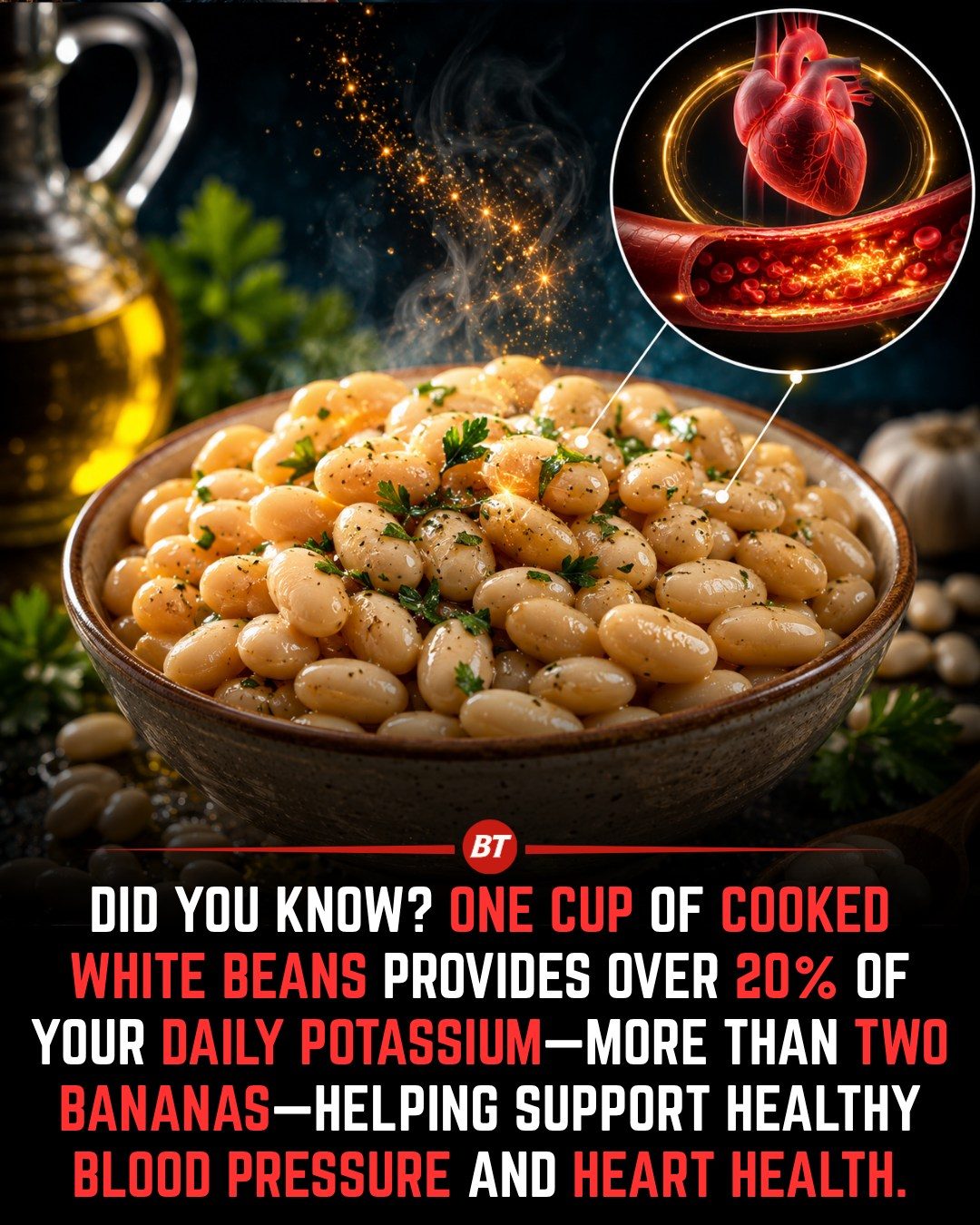
White beans are a versatile and nutritious legume that often fly under the radar when it comes to heart health. They are packed with essential nutrients, making them a powerhouse for overall well-being. One of the most notable benefits of white beans is their high potassium content.
Why This Matters
Potassium plays a crucial role in maintaining healthy blood pressure and supporting heart health. It helps balance the effects of sodium in the body, supports healthy nerve signaling, regulates muscle contractions, and helps maintain a normal heartbeat. Diets rich in potassium have been consistently linked to healthier blood pressure and a lower risk of stroke, especially when the potassium comes from whole foods like white beans.
White Beans and Potassium
The Potassium Powerhouse
A single cup of cooked white beans provides over 20% of the daily recommended intake of potassium. This amount is more than what you would get from two medium bananas, which are often cited as a prime source of this essential mineral. To be specific, a cooked cup of white beans delivers well over 1,000 mg of potassium, making it one of the richest natural sources of this mineral. This high potassium content is just one of the many reasons why white beans are a valuable addition to a healthy diet.
Comparing White Beans to Bananas
While bananas are commonly known for their potassium content, white beans actually outshine them in this regard. A single cup of cooked white beans contains more potassium than two medium bananas. This makes white beans an excellent alternative for those looking to increase their potassium intake without relying solely on fruits. The soluble fiber in white beans also helps support healthy cholesterol levels and feeds beneficial gut bacteria, adding to their overall health benefits.
The Broader Benefits of White Beans
White beans offer a multitude of health benefits beyond their high potassium content. They are packed with soluble fiber, which aids in maintaining healthy cholesterol levels and supports gut health. Additionally, white beans are rich in plant protein, magnesium, folate, and iron, making them one of the most nutrient-dense legumes available. Their low glycemic index helps provide steady energy and supports healthy blood sugar control, making them a great choice for those managing blood sugar levels.
Practical Tips for Incorporating White Beans
Adding white beans to your diet is easy and versatile. Here are some practical tips to help you enjoy their benefits:
-
Soups and Stews: Add cooked white beans to your favorite soups and stews for added thickness, texture, and nutritional value. They pair well with a variety of flavors and ingredients.
-
Salads: Toss cooked white beans into your salads for a protein boost. They work well with both traditional greens and heartier grain salads.
-
Pasta and Grain Bowls: Top your pasta or grain bowls with cooked white beans for added nutrition and satiety. They can also be blended into sauces for a creamy, protein-rich base.
-
Dips and Spreads: Blend white beans with garlic, olive oil, lemon juice, and herbs to create a delicious, heart-healthy dip. This is a fantastic snack option that’s both tasty and nutritious.
-
Baking: Incorporate white beans into baked goods for added moisture, fiber, and protein. They work well in muffins, bread, and other baked treats.
-
Meat Substitutes: White beans can be used as a meat substitute in various dishes, including chili, tacos, and even burgers. Their hearty texture and mild flavor make them a versatile ingredient in many recipes.
Important Takeaways
White beans are a nutritional powerhouse, offering a range of health benefits that often go unnoticed. Their high potassium content, combined with soluble fiber, plant protein, and other essential nutrients, makes them an excellent choice for supporting heart health, managing blood pressure, and maintaining overall well-being.
-
Potassium Boost: One cup of cooked white beans provides over 20% of your daily potassium needs, more than two bananas.
-
Heart Health: Diets rich in potassium, especially from whole foods like white beans, are linked to healthier blood pressure and a lower risk of stroke.
-
Versatility: White beans can be incorporated into a wide variety of dishes, from soups and salads to dips and baked goods, making them an easy addition to any diet.
Conclusion
White beans are a nutrient-dense legume that offers a multitude of health benefits, particularly in terms of potassium content and heart health. By incorporating white beans into your diet, you can support healthy blood pressure, maintain overall well-being, and enjoy a versatile, delicious ingredient. Whether you add them to soups, salads, or dips, white beans are a valuable addition to any meal plan.
Watch the Reel
Questions readers ask
How much potassium is in a single serving of white beans?
A single serving of white beans, approximately one cup cooked, contains around 1,000 milligrams of potassium. This makes white beans one of the most potassium-rich foods available, even compared to other potassium sources like bananas.
What are the key ways potassium in white beans supports heart health?
Potassium in white beans supports heart health by helping to balance sodium levels, which is crucial for maintaining healthy blood pressure. It also plays a key role in supporting healthy nerve signaling and regulating muscle contractions, including those in the heart.
Can eating white beans help reduce the risk of heart disease?
Yes, incorporating white beans into your diet can help reduce the risk of heart disease. Their high potassium content, along with other nutrients, contributes to overall heart health and helps maintain healthy blood pressure levels, which are important for heart disease prevention.
How do white beans compare to other high potassium foods?
White beans rank among the top high potassium foods, often surpassing other popular sources like bananas. A cup of cooked white beans provides about 1,000 milligrams of potassium, compared to a medium banana, which offers around 422 milligrams, and spinach, which provides around 840 milligrams.
What other nutrients in white beans contribute to heart health?
In addition to potassium, white beans are rich in fiber, which helps lower cholesterol levels, and magnesium, which also supports healthy blood pressure. They are also a good source of protein, folate, and various other vitamins and minerals that contribute to overall heart health.
How can I incorporate more white beans into my diet for better heart health?
You can easily incorporate more white beans into your diet by adding them to salads, soups, and stews. They can also be used as a base for dips like hummus, or as a protein source in vegetarian chili. For a quick meal, try making white bean tacos or a white bean and vegetable stir-fry.
What are the nutritional benefits of eating one cup of white beans?
One cup of cooked white beans provides a significant amount of nutrients, including 1,000 milligrams of potassium, 17.4 grams of dietary fiber, 15.4 grams of protein, and a substantial amount of iron, folate, and magnesium. This makes white beans a highly nutritious addition to any diet.
Related deep dives
Similar reads based on topic and creator.




Recent articles
Fresh deep dives from the latest Reels we unpacked.




Comments
Be the first to comment.