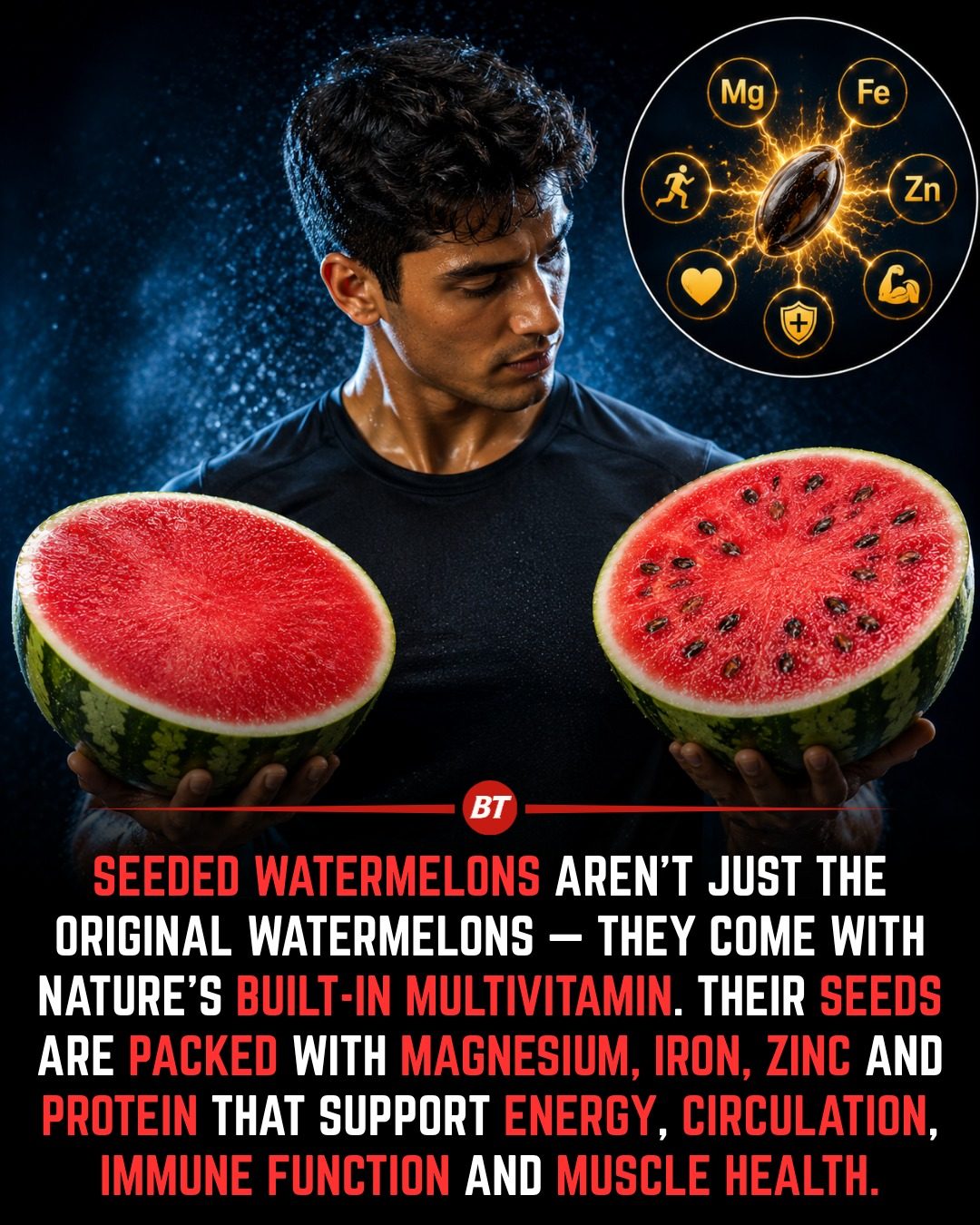
Watermelon Seeds: A Powerhouse of Nutrition
Watermelon seeds, often overlooked and discarded, are a nutritional treasure trove. These tiny seeds, found in traditional seeded watermelons, are packed with essential minerals, protein, and healthy fats. While many people opt for seedless varieties for convenience, the seeded variety offers a hidden bonus: edible seeds that are a natural multivitamin.
Context: The Nutritional Benefits of Watermelon Seeds
Many consumers prefer seedless watermelons for convenience. However, this emphasis on convenience often leads to the neglect of the nutritional powerhouse that is the watermelon seed. These seeds, once dried or roasted, become a nutrient-dense snack. The nutritional benefits of watermelon seeds are multifaceted, supporting various bodily functions and overall health.
Nutritional Benefits
Essential Minerals
Magnesium Magnesium is a vital mineral involved in muscle function, energy production, blood sugar regulation, and maintaining healthy blood pressure. Magnesium helps relax muscles and nerves, aiding in the prevention of muscle cramps and spasms. It also plays a crucial role in converting glucose into energy, supporting metabolism and blood sugar regulation.
Iron Iron is essential for transporting oxygen throughout the body. Watermelon seeds are a good source of iron, which helps in the production of hemoglobin, a protein in red blood cells that carries oxygen. Adequate iron intake supports healthy immune function, energy levels, and cognitive function.
Zinc Zinc is critical for various bodily functions, including immune function, wound healing, and cellular repair. This key nutrient supports the body's defense mechanisms, aids in skin health, and promotes tissue repair. Additionally, zinc is involved in protein synthesis and DNA production, making it essential for growth and development.
Protein and Healthy Fats
Watermelon seeds contain plant protein, making them an excellent addition to a balanced diet. This protein content supports muscle health, aiding in muscle repair and growth. Additionally, the unsaturated fats in watermelon seeds are heart-healthy, helping to maintain cholesterol levels and support cardiovascular health. These fats also contribute to the overall nutritional profile, making watermelon seeds a nutritious snack.
Comparison to Other Seeds
Watermelon seeds are often compared to pumpkin and sunflower seeds for their nutritional value. They share similar nutritional profiles, offering a rich source of minerals, protein, and healthy fats. Their versatility makes them a great addition to various diets, providing a natural boost of essential nutrients.
Practical Tips for Incorporating Watermelon Seeds
Roasting and Preparing
Instead of spitting them out, save the seeds from a seeded watermelon. Rinse, dry, and lightly roast them for a crunchy snack. Roasting enhances their flavor and texture, making them a tasty and nutritious treat. You can also add them to trail mixes, salads, and smoothie bowls for a natural boost of minerals and protein.
Versatility in Recipes
Watermelon seeds can be incorporated into various dishes, adding a nutritional punch to your meals. Sprinkle them on top of soups, stews, or grain salads for added crunch and flavor. They can also be ground into a powder and used as a topping for baked goods or mixed into dips and sauces.
Storing
Properly storing watermelon seeds ensures they retain their nutritional value and flavor. Once dried and roasted, store them in an airtight container in a cool, dry place. This prevents them from becoming stale or rancid, preserving their nutritional benefits for longer.
Important Takeaways
Traditional seeded watermelons offer more than just hydration; they provide a natural source of essential nutrients. The seeds, often discarded, are packed with magnesium, iron, zinc, and protein, supporting energy, circulation, immune function, and muscle health. Incorporating these seeds into your diet can enhance your nutritional intake, providing a natural boost of minerals and protein.
Conclusion
Watermelon seeds are a versatile and nutritious addition to any diet. Their rich mineral and protein content, along with heart-healthy fats, make them a valuable snack. By incorporating these seeds into your meals, you can enhance your nutritional intake and enjoy a tasty, natural treat.
Watch the Reel
Questions readers ask
Are watermelon seeds safe to eat?
Yes, watermelon seeds are safe to eat. They are found in traditional seeded watermelons and are edible. In fact, they are packed with nutrients and can be a healthy snack when dried or roasted.
What are the primary nutrients found in watermelon seeds?
Watermelon seeds are rich in essential minerals like magnesium, iron, and zinc. They also contain a good amount of protein and healthy fats.
How can I incorporate watermelon seeds into my diet?
You can enjoy watermelon seeds as a snack by drying or roasting them. This makes them a crunchy, nutritious, and convenient option to munch on. You can add them to salads, trail mix, or even use them as a topping for yoghurt.
Do watermelon seeds have any specific health benefits?
Watermelon seeds support various bodily functions due to their nutrient content. For instance, the magnesium in them can help with muscle relaxation and nerve function, while the iron aids in oxygen transport in the blood.
Why are roasted watermelon seeds a good snack?
Roasted watermelon seeds are a good snack because they are a natural source of protein and healthy fats. Roasting enhances their flavor and texture, making them a tasty and satisfying snack option. They are versatile and can be seasoned in various ways to suit different preferences.
Can you eat the seeds of seedless watermelons in the same way?
No, seedless watermelons are typically consumed without seeds, but the seeds are not the same as the seeds in traditional watermelons. The seeds in seedless watermelons are not fully developed and are not meant to be eaten.
Are there any minerals in watermelon seeds?
Yes, watermelon seeds contain a variety of minerals. They are particularly rich in magnesium, iron, and zinc, which are essential for various bodily functions, including muscle relaxation, nerve function, and immune support.
Are there any benefits in eating watermelon seeds raw?
While it is safe to eat watermelon seeds raw, they might be hard to chew and digest. Roasting or drying them can make them more palatable and easier to digest, while also enhancing their flavor. It is best to consume them roasted or dried.
Related deep dives
Similar reads based on topic and creator.




Recent articles
Fresh deep dives from the latest Reels we unpacked.




Comments
Be the first to comment.