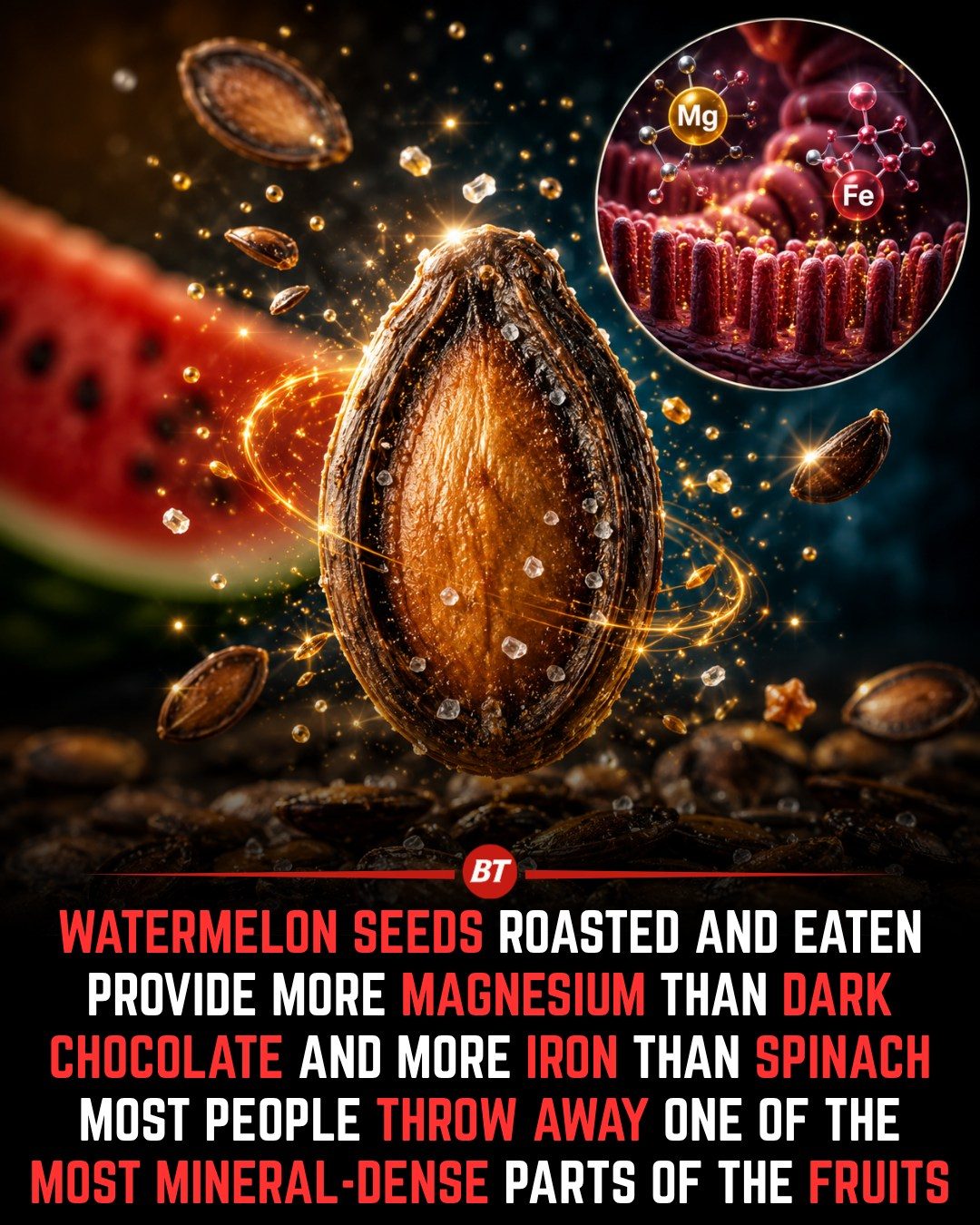
Watermelon Seeds: A Hidden Powerhouse of Nutrition
Watermelon seeds, often discarded without a second thought, are a treasure trove of essential minerals and nutrients. These tiny seeds, when roasted, transform into a crunchy snack that your body will thank you for.
Why This Matters
Most people are unaware that watermelon seeds are one of the most nutrient-dense parts of the fruit. Roasting them brings out their flavor and makes them an excellent addition to a healthy diet. Understanding the benefits of these seeds can help you make better food choices and maximize the nutrients you consume.
The Nutritional Benefits of Watermelon Seeds
Magnesium
Watermelon seeds are naturally rich in magnesium, a mineral involved in over 300 enzyme reactions in the body. Magnesium is crucial for supporting:
- Muscle and nerve function
- Energy production
- Heart rhythm
- Healthy bones
Iron
Additionally, watermelon seeds are an excellent source of iron. Iron is essential for producing healthy red blood cells, which carry oxygen to your tissues. This makes them a valuable addition to a diet, especially for those who may be iron-deficient.
Zinc
These seeds also contain zinc, an essential mineral for immune function and wound healing. Zinc is critical for maintaining overall health and supporting the body's natural defense mechanisms.
High Nutrient Concentration
Because watermelon seeds contain very little water, their nutrients are highly concentrated. This makes them a powerhouse of nutrients. Gram for gram:
- Roasted watermelon seeds provide more magnesium than dark chocolate
- They contain more iron than spinach
While these comparisons are based on equal weights, even a small handful of roasted watermelon seeds can provide a meaningful boost of minerals, protein, and healthy unsaturated fats.
Versatility and Health Benefits
These seeds are versatile and can be enjoyed in various ways. You can:
- Enjoy them as a snack
- Sprinkle them over salads
- Add them to yogurt or oatmeal for an extra crunch and nutrient boost
Their combination of minerals and healthy fats makes them a nutritious alternative to many processed snack foods. Research published in the International Journal of Food Sciences and Nutrition and the USDA FoodData Central database highlights watermelon seeds as an excellent source of magnesium, iron, zinc, phosphorus, and plant-based protein.
Practical Tips
Here are some practical tips for incorporating roasted watermelon seeds into your diet:
Roasting Instructions
To roast watermelon seeds:
- Rinse the seeds thoroughly to remove any residual pulp.
- Pat them dry with a paper towel.
- Preheat your oven to 325°F (160°C).
- Spread the seeds evenly on a baking sheet.
- Roast in the oven for about 15–20 minutes until they are crisp.
- Allow them to cool before storing in an airtight container.
Preservation and Storage
Store roasted watermelon seeds in an airtight container at room temperature. This will help maintain their freshness and crunch for up to a month. Keeping them in the refrigerator can extend their shelf life to about three months.
Ways to Enjoy
Here are a few creative ways to incorporate roasted watermelon seeds into your meals and snacks:
- Snacking: Enjoy a small handful as a standalone snack.
- Salads: Sprinkle them over your favorite salad for added crunch and nutrition.
- Yogurt: Mix them into yogurt for a protein and mineral boost.
- Oatmeal: Add them to your morning oatmeal for extra nutrients and texture.
- Baking: Use them as a topping for baked goods like muffins or bread.
- Trail Mix: Incorporate them into a homemade trail mix for a healthy on-the-go snack.
Important Takeaways
Watermelon seeds are a hidden gem in the world of nutrition. They are packed with essential minerals like magnesium, iron, and zinc, making them a valuable addition to any diet. Roasting these seeds enhances their flavor and makes them a delicious snack. By incorporating roasted watermelon seeds into your meals, you can boost your intake of important nutrients and enjoy a healthier lifestyle.
Conclusion
Don't underestimate the power of watermelon seeds. Next time you cut open a watermelon, consider saving the seeds and roasting them for a nutritious snack. Your body will benefit from the concentrated minerals and nutrients they provide. Whether you enjoy them as a snack or add them to your meals, watermelon seeds are a simple and effective way to enhance your diet.
Watch the Reel
Questions readers ask
What are the key minerals found in roasted watermelon seeds?
Roasted watermelon seeds are packed with essential minerals, including magnesium, iron, and zinc. These minerals play crucial roles in various bodily functions, such as enzyme reactions, oxygen transport, and immune support.
How can roasted watermelon seeds be incorporated into a daily diet?
Roasted watermelon seeds can be enjoyed as a standalone snack or added to other dishes. Try sprinkling them over salads, incorporating them into trail mixes, or using them as a topping for yogurt or oatmeal to boost your daily mineral intake.
Are there other snacks with similar mineral profiles to roasted watermelon seeds?
Yes, other nutrient dense snacks with similar mineral profiles include dark chocolate and spinach. Dark chocolate is rich in magnesium and iron, while spinach provides a good amount of iron and zinc.
What are some health benefits of magnesium found in watermelon seeds?
Magnesium from watermelon seeds supports over 300 enzyme reactions in the body. It helps maintain muscle and nerve function, supports a healthy immune system, and contributes to bone health. Magnesium is also known to help regulate blood sugar and blood pressure.
How do you roast watermelon seeds at home?
To roast watermelon seeds, first separate them from the pulp and rinse off any remaining fruit. Preheat your oven to 300°F (150°C). Spread the seeds evenly on a baking sheet and roast for 15-20 minutes, stirring occasionally, until they are golden brown and crunchy. Allow them to cool before enjoying.
What makes roasted watermelon seeds a better snack choice?
Roasted watermelon seeds are a better snack choice because they are a rich source of minerals like zinc and iron. They are also a great gluten-free and vegan option, making them suitable for various dietary needs. Plus, roasting enhances their flavor and texture, making them a tasty alternative to traditional snacks.
How do the health benefits of roasted watermelon seeds compare to other popular snacks?
Roasted watermelon seeds offer a unique combination of magnesium, iron, and zinc. Compared to other popular snacks, they provide a balanced mix of these essential minerals, which are often lacking in typical snack foods. This makes them a healthier and more nutritious choice.
Related deep dives
Similar reads based on topic and creator.




Recent articles
Fresh deep dives from the latest Reels we unpacked.




Comments
Be the first to comment.