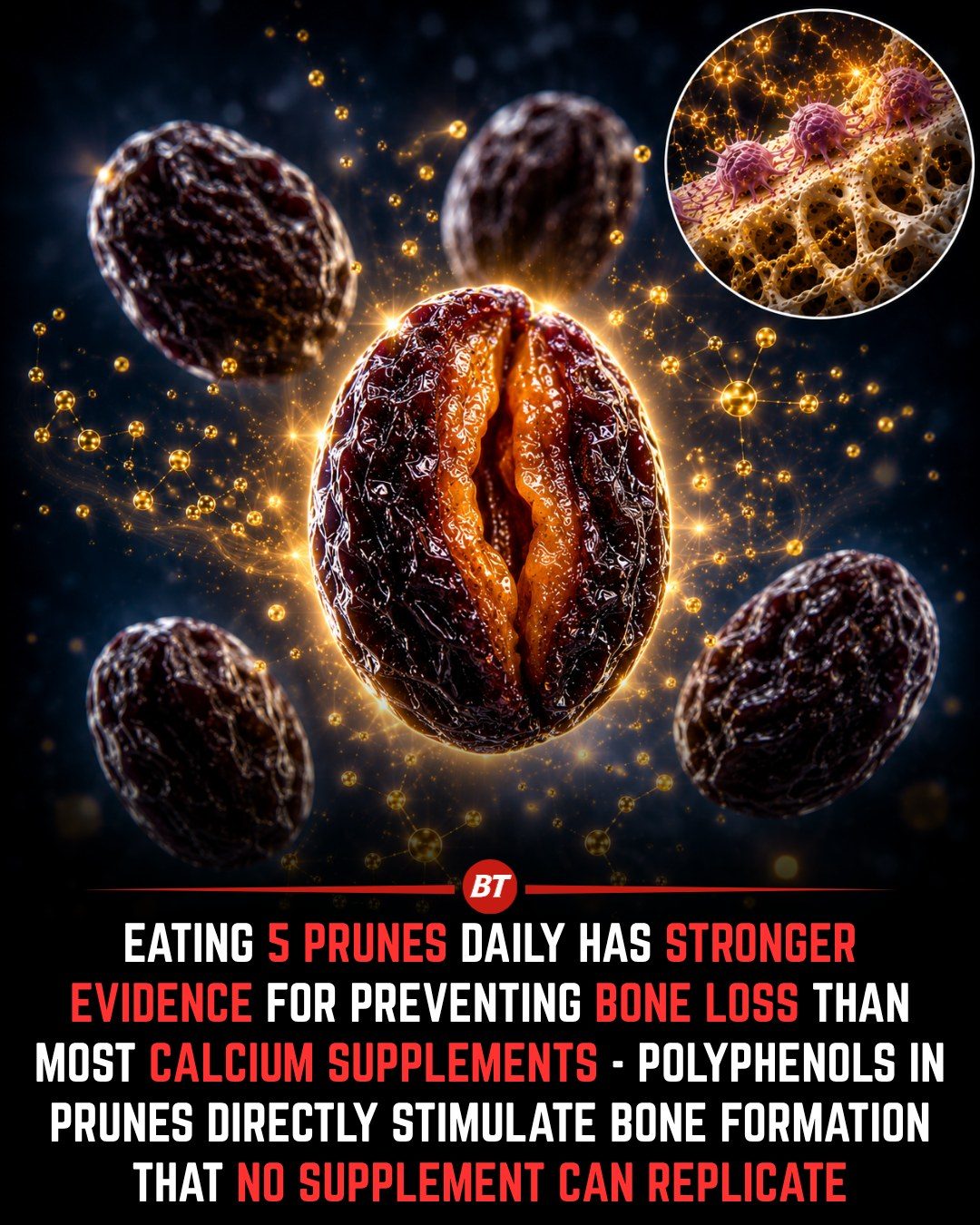
Prune Health Benefits
Prunes, often overshadowed by calcium supplements, are emerging as a powerful ally in the quest for strong, healthy bones. This small, dried fruit packs a nutritional punch with its unique blend of polyphenols, vitamin K, boron, potassium, and fiber, all of which contribute to bone health.
Why This Matters
Bone health is a critical aspect of overall well-being, especially as we age. Bone is a living tissue that is constantly being remodeled. Osteoclasts break down old bone, while osteoblasts build new bone. Unfortunately, as we age, especially after menopause, this balance shifts toward greater bone loss. This makes maintaining bone density a significant health concern. Understanding the natural ways to support bone health, such as incorporating prunes into your diet, can make a substantial difference in maintaining strong bones over time.
The Power of Prunes
Polyphenols and Bone Formation
Prunes contain polyphenols, which are natural compounds found in plants that have numerous health benefits. The polyphenols in prunes offer a distinct advantage by directly stimulating bone formation. This process cannot be replicated by supplements, making prunes a unique and valuable addition to a bone-healthy diet.
Supporting Osteoblasts
Research has shown that the polyphenols in prunes may reduce excessive bone breakdown while supporting the activity of osteoblasts, the cells responsible for building new bone. This dual action helps maintain stronger bones over time. One notable study, published in the American Journal of Clinical Nutrition, demonstrated that postmenopausal women who consumed about 50 grams of prunes daily (roughly 5–6 prunes) for 12 months experienced significantly less loss of hip bone mineral density compared to those who did not eat prunes.
A Comprehensive Nutritional Profile
In addition to polyphenols, prunes are rich in other essential nutrients that support bone health. Vitamin K is crucial for bone mineralization, while boron and potassium play vital roles in bone metabolism. The fiber in prunes also contributes to overall health, aiding in digestion and promoting a healthy gut.
Comparison to Calcium Supplements
While calcium often gets all the attention, prunes have stronger evidence for preventing bone loss. The combination of nutrients in prunes works together to support healthy bones, making them a more comprehensive option compared to calcium supplements alone. Studies have shown that eating 5 prunes daily may be more effective in preventing bone loss than relying on calcium supplements.
Practical Tips
Incorporating prunes into your daily routine is simple and delicious. Here are a few practical tips to get started:
- Snack Smart: Enjoy 5–6 prunes each day as a convenient and healthy snack.
- Boost Your Oatmeal: Chop prunes and add them to your morning oatmeal for an extra boost of nutrients.
- Smoothie Enhancer: Blend prunes into your smoothies for a natural sweetness and added fiber.
- Salad Topper: Cut prunes into small pieces and add them to your favorite salads for a unique twist.
Important Takeaways
Prunes are a natural and effective way to support bone health, especially as we age. Their unique blend of polyphenols, vitamin K, boron, potassium, and fiber work together to help maintain strong bones. Consuming 5-6 prunes daily can provide significant benefits, including reduced bone loss and enhanced bone formation. Combined with a nutrient-rich diet and regular exercise, prunes can be a simple and delicious addition to a bone-friendly lifestyle.
Conclusion
The health benefits of prunes extend far beyond their sweet and tangy flavor. By incorporating prunes into your daily routine, you can support bone health naturally and effectively. Whether you enjoy them as a snack, add them to your oatmeal, blend them into smoothies, or use them as a salad topper, prunes offer a convenient and tasty way to maintain strong, healthy bones.
Watch the Reel
Questions readers ask
How do prunes support bone health?
Prunes support bone health through several mechanisms. They contain polyphenols that help reduce bone loss, vitamin K that aids in bone formation, and minerals like boron and potassium that contribute to overall bone strength. Additionally, the fiber in prunes supports gut health, which indirectly benefits bone health by improving nutrient absorption.
Do prunes contain calcium for bone health?
While prunes do not contain significant amounts of calcium, they offer other essential nutrients that support bone health. Their unique blend of vitamin K, polyphenols, and minerals like boron and potassium make them a valuable addition to a bone-healthy diet. Calcium is essential, but absorbability and retention of calcium is improved with a balanced intake of the other nutrients that prunes provide.
Can prunes help prevent osteoporosis?
Prunes may help prevent osteoporosis due to their ability to reduce bone loss and stimulate bone formation. The polyphenols in prunes help inhibit osteoclasts, the cells responsible for breaking down bone tissue. By slowing down bone breakdown, prunes can help maintain bone density, which is crucial for preventing osteoporosis.
How many prunes should I eat daily for bone health benefits?
Research suggests that consuming 5-6 prunes per day may help support bone health. This amount has been shown to have a positive effect on bone density and may help reduce the risk of age-related bone loss. However, it's important to consult with a healthcare provider for personalized advice.
How do prune polyphenols benefit bone health?
Prune polyphenols help to reduce bone loss by inhibiting the activity of osteoclasts, the cells that break down bone tissue. This inhibition helps to maintain bone density, a key factor in preventing age-related bone loss and osteoporosis. Additionally, polyphenols have anti-inflammatory properties that can support overall bone health.
Can prunes replace calcium supplements for bone health?
Prunes should not replace calcium supplements but can complement them as part of a balanced approach to bone health. While prunes do not contain significant amounts of calcium, they offer other essential nutrients that support bone health. It's best to consult with a healthcare provider to determine the right balance of nutrients and supplements for your individual needs.
Related deep dives
Similar reads based on topic and creator.




Recent articles
Fresh deep dives from the latest Reels we unpacked.




Comments
Be the first to comment.