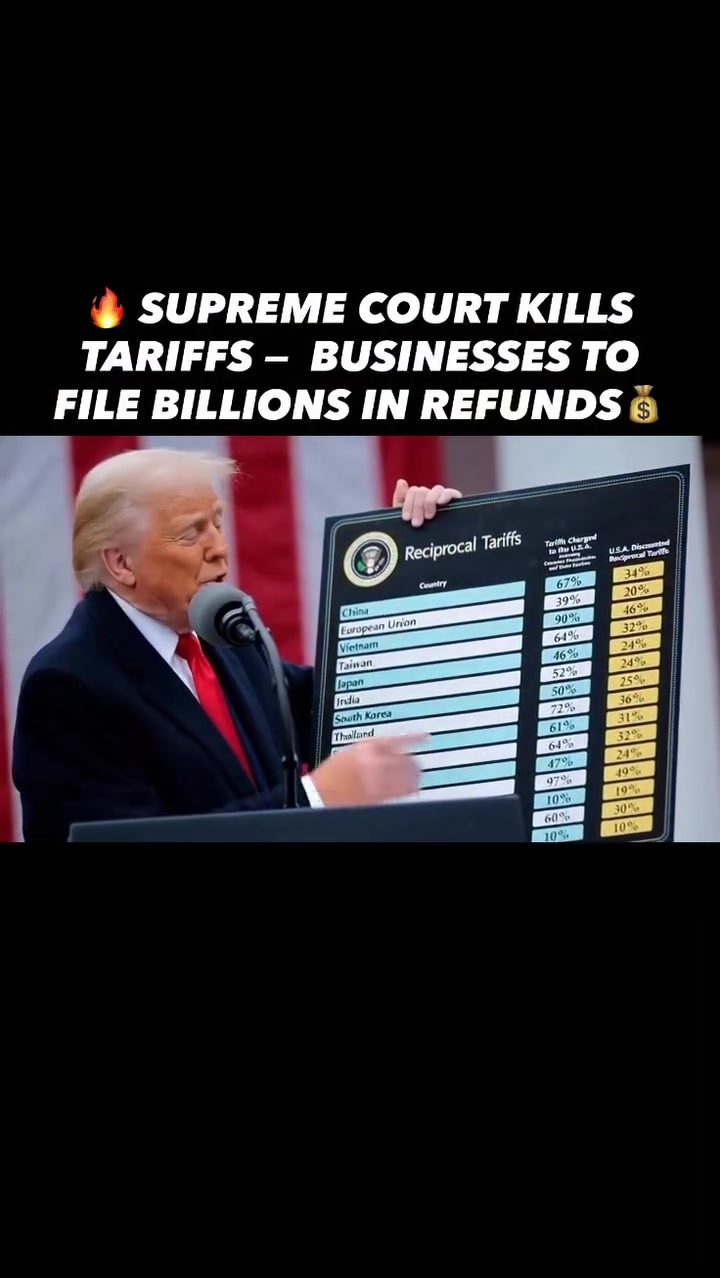
Tariffs and Trade: A Historic Shift in US Trade Policy
The recent Supreme Court decision to rule Trump's tariff policy unlawful has sent shockwaves through the global trade ecosystem. This landmark decision mandates the US government to refund $166 billion in tariffs, marking the largest-ever tariff refund in American history. The ruling has opened the gates for over 330,000 importers across 53 million shipments to file claims and receive their money back, along with accrued interest, within 60 to 90 days.
Context: The History and Impact of Tariffs
Tariffs, in essence, are taxes imposed on imported goods and services. Governments use them to protect domestic industries, generate revenue, or influence trade relations. The Trump administration's tariff policy was a cornerstone of its economic strategy, aimed at protecting American jobs and industries. However, the recent Supreme Court decision has overturned this, leading to significant economic and political repercussions.
The Supreme Court Decision: A Game Changer
The Supreme Court's ruling has significant implications for US trade policy. Here’s a closer look at the key points:
The Ruling and Its Implications
The Supreme Court’s decision to nullify Trump's tariff policy has been described as a brutal reversal of the aggressive trade war that was sold as “protecting America.” The ruling compels the US government to refund a staggering $166 billion in tariffs to importers. This amount is not just a minor financial adjustment; it represents a profound shift in the economic landscape.
The Scale of the Refund
The scope of the refund is unprecedented. Over 330,000 importers stand to benefit from this decision, covering a vast array of products across 53 million shipments. The sheer magnitude of this payout is likely to have far-reaching effects on various sectors of the economy. Businesses that have been grappling with the financial burden of these tariffs will now have a significant cash infusion, potentially altering their operational strategies and investment plans.
The Economic Ripples
The refund will inject a substantial amount of money back into the economy, which could boost spending and investment. However, the broader economic impact will depend on how the refunds are utilized. Some businesses may reinvest the money to expand their operations, while others may use it to pay off debts or invest in new technologies. The ripple effects of this payout could be wide and varied, touching both domestic and international markets.
A Comparison of Tariff Rates
The recent decision to repeal Trump’s tariff highlights the complexity of global trade relations. Here’s a comparative look at the tariff rates imposed by various countries on the US:
China
China has long been a focal point in the global trade debate. With tariffs as high as 67% on certain goods, China's high tariff rates have been a point of contention in trade negotiations. These high tariffs are often seen as a defensive measure to protect China's domestic industries and maintain its competitive edge in the global market.
Reciprocal Tariffs
Reciprocal tariffs, where countries impose tariffs on each other's goods in response to each other's tariffs, often reflect the underlying tensions in trade relations. For instance, the US charges 34% tariffs, which is significantly lower compared to China. This imbalance is often cited as a reason for trade disputes and the push for fairer trade practices.
Vietnam
Vietnam, known for its favorable trade policies, has been a notable example in the recent trade negotiations. With lower tariff rates, Vietnam has positioned itself as a more attractive market for US businesses, making it a strategic partner in the evolving trade landscape. The recent decision to fix this “thing” in Vietnam underscores the evolving dynamics of global trade and the strategic shifts in trade policies.
Practical Tips for Businesses
For businesses, navigating this new landscape requires a proactive approach. Here are some practical tips:
Understanding the New Landscape
Businesses need to stay informed about the latest developments in trade policies and their potential impact on their operations. Understanding the intricacies of the Supreme Court’s ruling and how it affects their specific industries is crucial. Engaging with trade experts and legal advisors can provide valuable insights and ensure compliance with the new regulations.
Filing for Refunds
Importers affected by the recent ruling should promptly file for refunds through the new customs system. Ensuring that all necessary documentation is in order and filing within the stipulated 60 to 90-day window is essential to avoid any delays. Businesses should also be prepared to provide detailed records of the tariffs paid to facilitate a smooth refund process.
Strategic Planning
With the influx of capital from the refunds, businesses should strategize on how to reinvest these funds effectively. This could involve expanding operations, investing in new technologies, or strengthening their supply chains. A well-planned strategy can help businesses leverage this financial boost to achieve long-term growth and sustainability.
Important Takeaways
The Supreme Court’s decision to nullify Trump’s tariff policy and mandate a $166 billion refund to importers is a monumental shift in US trade policy. Here are the key takeaways:
The End of an Era
The ruling marks the end of an era in US trade policy, where tariffs were used as a primary tool to protect domestic industries. The decision signals a move towards more balanced and equitable trade practices.
A Boost for Businesses
The $166 billion refund represents a significant financial boost for affected businesses, potentially altering their operational strategies and investment plans. This influx of capital could boost spending and investment, leading to broader economic benefits.
A New Chapter in Global Trade
The ruling sets the stage for a new chapter in global trade relations. As the US government refocuses its approach to trade, businesses and governments worldwide will need to adapt to the evolving landscape. This decision underscores the importance of fair and equitable trade policies in promoting global economic stability and growth.
Conclusion
The Supreme Court’s decision to rule Trump’s tariff policy unlawful and mandate a $166 billion refund has sent shockwaves through the global trade ecosystem. This landmark decision has significant implications for US trade policy, affecting businesses, governments, and consumers alike. As the world grapples with the fallout of this ruling, one thing is clear: the future of global trade is poised for a significant shift, and the coming months will be pivotal in shaping the new landscape. Businesses and policymakers must stay informed, adapt to the changes, and leverage this new environment to drive growth and innovation.
Watch the Reel
Questions readers ask
Who is eligible for the tariff refund mandated by the Supreme Court ruling?
Over 330,000 importers who were affected by Trump's tariff policy are eligible for the refund. This includes businesses and individuals who made imports during the period when the tariffs were in effect. Importers have a period of 60 to 90 days to file their claims and receive their money back, along with accrued interest.
How much money will be refunded to importers due to the Supreme Court's decision?
The Supreme Court has mandated a total refund of $166 billion to importers. This is the largest-ever tariff refund in American history. The refund includes the tariff amounts plus accrued interest, and is the result of the ruling that Trump's tariff policy was unlawful.
What is the significance of the Supreme Court's decision on US trade policy?
The Supreme Court's decision marks a historic shift in US trade policy. It sets a precedent for future trade disputes and emphasizes the importance of legal processes in shaping trade policies. The ruling also has significant economic implications, as it redistributes a substantial amount of money back into the economy through refunds to importers.
How will the tariff refund impact businesses in the US and China?
For US businesses, the refund provides a significant cash injection, which can help alleviate financial burdens and potentially boost economic activity. For Chinese businesses, the reduction in tariffs could make exporting to the US more appealing, possibly leading to increased trade between the two countries.
What happens if an importer does not file a claim for the tariff refund within the given timeframe?
If an importer fails to file a claim within the 60 to 90 day window, they may forfeit their right to the refund. It is crucial for importers to take prompt action and ensure they follow the necessary steps to file their claims correctly and on time.
What is the expected timeline for receiving the tariff refund after filing a claim?
After filing a claim, importers can expect to receive their refund within 60 to 90 days, if the claim is processed and approved. This timeline is subject to verification and validation by the relevant government agencies handling the refund process.
What are the potential political implications of the Supreme Court's tariff ruling?
Politically, the Supreme Court's ruling could influence future trade negotiations and policies. It underscores the importance of legal compliance in trade practices and may encourage the use of legal channels to challenge and shape trade policies. The decision may also impact public perception of the role of the Supreme Court in regulating trade policy.
Recent articles
Fresh deep dives from the latest Reels we unpacked.




Comments
Be the first to comment.