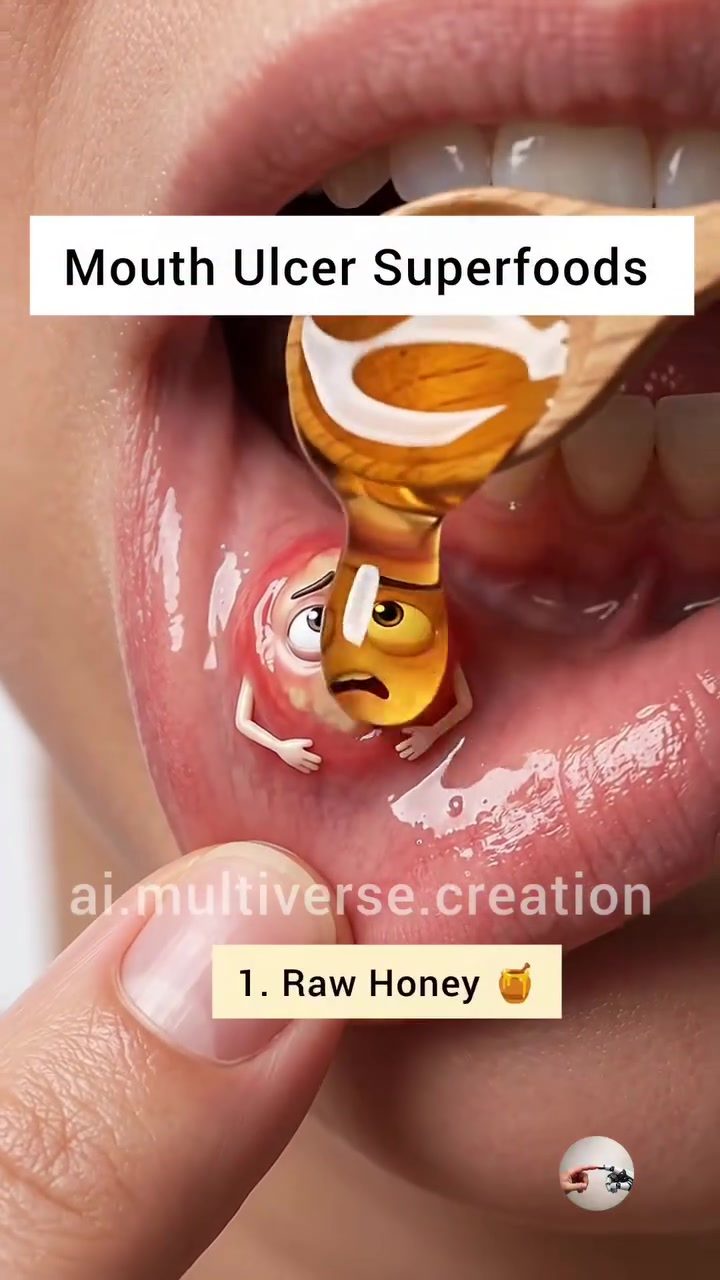
Mouth Ulcers: Causes, Remedies, and Superfoods for Relief
Mouth ulcers, also known as canker sores, are small, painful sores that can develop inside the mouth, often on the lips, cheeks, tongue, or gums. While not contagious, they can make everyday activities like eating, drinking, and even talking uncomfortable. Understanding the triggers and remedies can significantly help in managing these painful sores.
Context / Why this matters
Mouth ulcers are a common issue that can affect anyone at any age. They can be triggered by a variety of factors, including minor mouth injuries, stress, vitamin deficiencies, certain foods, and hormonal changes. Knowing how to identify and address these triggers is crucial for preventing and treating mouth ulcers effectively.
Main discussion
Triggers for Mouth Ulcers
Several factors can contribute to the development of mouth ulcers. Minor injuries, such as biting your cheek or brushing your teeth too vigorously, can create small cuts or abrasions that become ulcers. Stress is another significant trigger, as it can weaken the immune system and make the body more susceptible to these sores. Additionally, deficiencies in vitamins, particularly Vitamin B12, folate, or iron, can lead to recurrent mouth ulcers. Acidic or spicy foods and hormonal changes, such as those occurring during menstruation or menopause, can also be culprits.
Superfoods for Supporting Healing
Certain foods can play a supportive role in healing and reducing the irritation caused by mouth ulcers. These superfoods offer a variety of health benefits that can aid in the recovery process.
Raw Honey
Raw honey is a natural remedy that can help soothe mouth ulcers. It coats the sore, providing a protective barrier. Its antimicrobial and anti-inflammatory properties help reduce discomfort and promote healing.
Bananas
Bananas are soft, gentle on the mouth, and easy to eat without irritating the ulcer. They provide essential nutrients and are a comforting food choice when dealing with sore mouths.
Vitamin B12-Rich Foods
Foods rich in Vitamin B12, such as salmon, eggs, dairy, and lean meat, can be particularly beneficial if ulcers are related to a Vitamin B12 deficiency. These foods help boost the immune system and support overall oral health.
Mashed Sweet Potatoes
Mashed sweet potatoes are soft, nutrient-rich, and less likely to irritate a painful sore. They provide a comforting and healthy option for those dealing with mouth ulcers.
Plain Yogurt
Plain yogurt is a probiotic powerhouse, helping to maintain a healthy oral environment. It can reduce inflammation and promote healing, making it a valuable addition to a mouth ulcer treatment plan.
Other Remedies
In addition to dietary choices, there are other remedies that can help alleviate the discomfort of mouth ulcers. A baking soda paste, made by mixing baking soda with a few drops of water, can be gently dabbed onto the ulcer. This helps neutralize acids in the mouth and may reduce irritation for some people. Avoiding spicy foods, acidic drinks, and crunchy foods while the ulcer is healing is also advisable, as these can exacerbate the pain.
Practical tips
Managing mouth ulcers involves a combination of dietary adjustments, lifestyle changes, and home remedies. Here are some practical tips to support healing and reduce irritation:
- Maintain Good Oral Hygiene: Use a soft-bristled toothbrush to avoid further irritation. Rinse with a mild saltwater solution to keep the mouth clean and reduce pain.
- Stay Hydrated: Drink plenty of water to stay hydrated and keep the mouth moist.
- Avoid Triggers: Steer clear of acidic, spicy, or crunchy foods that can irritate the ulcers. Opt for soft, bland foods that are gentle on the mouth.
- Use Natural Remedies: Raw honey, plain yogurt, and other natural remedies can provide relief and support healing.
- Supplement if Necessary: If vitamin deficiencies are a concern, consider supplements such as Vitamin B12, folate, or iron, under the guidance of a healthcare professional.
- Manage Stress: Incorporate stress-reducing activities into your daily routine, such as meditation, yoga, or deep breathing exercises.
Important takeaways
Mouth ulcers, while painful, can be managed effectively with the right approach. Understanding the triggers and incorporating superfoods and natural remedies into your diet can significantly aid in healing. Maintaining good oral hygiene, avoiding irritants, and managing stress are also crucial steps in preventing and treating these sores.
Conclusion
Mouth ulcers are a common and often uncomfortable issue, but with the right knowledge and care, they can be managed effectively. By focusing on a balanced diet rich in supportive foods, maintaining good oral hygiene, and avoiding known triggers, you can significantly reduce the frequency and severity of mouth ulcers. Consult a healthcare professional if ulcers persist for more than two weeks, become unusually large, or are accompanied by fever or difficulty swallowing.
Watch the Reel
Questions readers ask
What are some superfoods that can help soothe mouth ulcers?
Superfoods like raw honey, bananas, and foods rich in omega-3 fatty acids, such as salmon, can help soothe and heal mouth ulcers. These natural remedies can reduce pain and inflammation, promoting faster recovery.
How can vitamin deficiencies contribute to mouth ulcers?
Vitamin deficiencies, particularly in vitamins B12, B9 (folic acid), zinc, and iron, can make individuals more susceptible to mouth ulcers. Ensuring a balanced diet rich in these nutrients can help prevent and heal these sores more effectively.
Can certain foods trigger mouth ulcers?
Yes, certain foods can trigger or exacerbate mouth ulcers. Spicy, acidic, or hard-to-chew foods, such as chips or crusty bread can irritate existing sores. Additionally, foods that you may be allergic or sensitive to could potentially cause mouth ulcers.
How does honey help in treating mouth ulcers?
Raw honey has natural antibacterial and anti-inflammatory properties, which can help reduce pain and inflammation associated with mouth ulcers. Applying a small amount of raw honey directly to the sore can promote healing and soothe discomfort.
What role do bananas play in managing mouth ulcers?
Bananas are rich in vitamins and minerals, including vitamin B6 and potassium, which can support the healing process of mouth ulcers. Their soft texture also makes them gentle on sensitive mouth tissues, reducing irritation during consumption.
Are there any specific foods that can support the healing of mouth ulcers?
Foods high in antioxidants, vitamins, and minerals can support ulcer healing. Including fruits, vegetables, lean proteins, and whole grains in your diet can provide the necessary nutrients to strengthen your immune system and promote faster recovery from mouth ulcers.
How can lifestyle changes help in preventing mouth ulcers?
Maintaining good oral hygiene, managing stress, avoiding trigger foods, and ensuring a balanced diet can help prevent mouth ulcers. Additionally, staying hydrated and using a soft-bristled toothbrush can reduce the risk of mouth injuries that may lead to ulcer development.
Related deep dives
Similar reads based on topic and creator.

Recent articles
Fresh deep dives from the latest Reels we unpacked.




Comments
Be the first to comment.