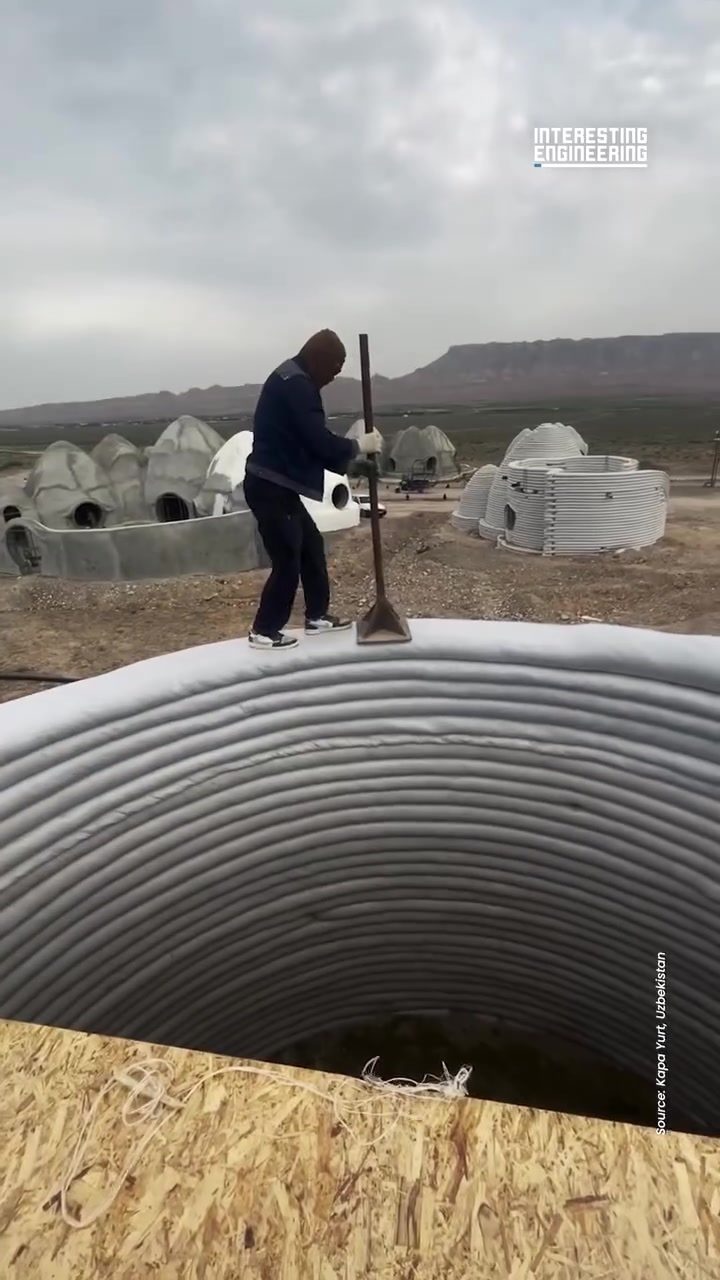
Earthquake-Resistant Homes: The Ingenious Design of Superadobe Domes
In the quest for more resilient housing, one innovative design stands out: the Superadobe dome. Invented by Iranian-American architect Nader Khalili and developed at CalEarth in California, these structures are built using sandbags filled with moistened soil. The result is a remarkably stable and earthquake-resistant home that has passed California's stringent seismic code tests.
Why This Matters
The need for earthquake-resistant homes is urgent, especially in regions prone to seismic activity. Traditional building materials and designs often struggle to withstand the forces generated by earthquakes, leading to significant damage and loss of life. The Superadobe dome offers a sustainable and effective solution, combining ancient materials with modern engineering principles.
The Superior Strength of Superadobe Domes
The Building Blocks: Sandbags and Soil
The foundation of a Superadobe dome lies in its simple yet effective construction method. Long polypropylene bags are filled with moistened soil, sometimes mixed with lime or cement for added stability. These bags are then coiled in layers to form a dome shape. Between each layer of bags, barbed wire is placed. This wire acts like rebar, providing the structure with tensile strength to resist the horizontal forces generated by an earthquake.
The Geometry of Strength
The dome shape is a critical aspect of the Superadobe design. Essentially an arch rotated 360 degrees, the dome is one of the strongest geometric forms in architecture. This curved surface distributes forces evenly, preventing them from concentrating at weak points. During an earthquake, the entire structure moves as one unit, reducing the risk of cracking apart. This design has proven effective, as Superadobe domes have successfully passed California's strict earthquake code tests.
Ancient Materials, Modern Survival
The Superadobe method combines ancient building techniques with modern survival needs. By using readily available materials like sand, soil, and barbed wire, these domes offer a practical and eco-friendly solution to housing in earthquake-prone areas. The simplicity of the materials and the robust design make Superadobe domes an attractive option for sustainable and disaster-resistant architecture.
The Construction Process
Building a Superadobe dome involves several key steps:
- Preparing the Site: The first step is to prepare the site where the dome will be constructed. This includes leveling the ground and ensuring a stable foundation.
- Filling the Bags: Long polypropylene bags are filled with moistened soil. The soil can be mixed with lime or cement for added strength and durability.
- Layering the Bags: The filled bags are then coiled in layers to form the dome shape. Each layer is carefully placed to ensure stability and even distribution of weight.
- Adding Barbed Wire: Between each layer of bags, barbed wire is placed. This wire acts like rebar, providing the structure with tensile strength and helping it resist the horizontal forces generated by an earthquake.
- Shaping the Dome: The dome shape is formed by carefully placing each layer of bags and wire. This process requires precision to ensure the dome's structural integrity.
- Finishing Touches: Once the dome is complete, finishing touches such as plastering and adding a roof can be applied. The interior can be decorated with textiles and other materials to create a comfortable living space.
Practical Tips for Building a Superadobe Dome
Site Selection
Choose a level and stable site for construction. Avoid areas prone to flooding or landslides, as these can compromise the stability of the dome.
Soil Preparation
Ensure the soil used is well-moistened and free of large rocks or debris. Mixing the soil with lime or cement can enhance its strength and durability.
Layering Technique
When layering the bags, ensure each layer is placed carefully to maintain the dome's integrity. Use barbed wire between each layer to provide tensile strength.
Maintaining Moisture
During construction, it's essential to keep the soil moist. This helps the bags adhere to each other and enhances the overall stability of the structure.
Sealing the Dome
Once the dome is complete, apply a layer of plaster or another sealant to protect it from the elements and enhance its durability.
Important Takeaways
Superadobe domes offer a sustainable and effective solution for earthquake-resistant housing. By combining ancient materials with modern engineering principles, these structures provide a robust and eco-friendly option for disaster-prone areas.
Durability and Stability
The dome shape and layered construction make Superadobe domes highly resistant to earthquakes. The even distribution of forces across the curved surface prevents cracking and ensures structural integrity.
Ease of Construction
The use of readily available materials and simple construction techniques make Superadobe domes accessible and cost-effective. With proper planning and execution, anyone can build a durable and stable Superadobe dome.
Sustainability
Superadobe domes are an eco-friendly solution, utilizing natural materials like sand, soil, and barbed wire. This not only reduces environmental impact but also promotes sustainable living.
Conclusion
Superadobe domes represent a significant advancement in sustainable and earthquake-resistant architecture. By combining ancient building techniques with modern engineering principles, these structures offer a durable, stable, and eco-friendly housing solution. Whether in earthquake-prone regions or areas seeking sustainable living, Superadobe domes provide a practical and effective option for resilient housing.
Watch the Reel
Questions readers ask
What are Superadobe domes and who invented them?
Superadobe domes are homes crafted from sandbags filled with moistened soil, creating a sturdy and earthquake-resistant structure. They were invented by Iranian-American architect Nader Khalili and developed at the California-based CalEarth Institute.
How do Superadobe domes provide earthquake resistance?
Superadobe domes owe their earthquake resistance to their unique dome shape and the use of barbed wire for reinforcement. This design helps the structure withstand seismic forces more effectively than traditional rectangular buildings.
What materials are used to build Superadobe domes?
Superadobe domes are primarily constructed using sandbags filled with moistened soil and reinforced with barbed wire. These materials are cost-effective, readily available, and contribute to the structure's durability and stability.
Are Superadobe domes suitable for regions with high seismic activity?
Yes, Superadobe domes are particularly suitable for regions with high seismic activity. They have passed California's rigorous seismic code tests, demonstrating their ability to withstand strong earthquakes.
What are the benefits of choosing a Superadobe dome as a sustainable housing option?
Superadobe domes offer several benefits, including natural insulation properties, low construction costs, and minimal environmental impact. Additionally, they provide a high level of safety and stability during earthquakes.
How are Superadobe homes constructed?
Superadobe homes are constructed by filling sandbags with moistened soil and stacking them in a dome shape. The sandbags are reinforced with barbed wire between each layer, ensuring the structure's stability and resistance to seismic activity.
Can Superadobe domes be customized to fit different architectural styles and needs?
Yes, Superadobe domes can be customized to fit various architectural styles and needs. The design can be adapted to include different sizes, shapes, and interior layouts, making it a versatile option for homeowners seeking earthquake-resistant housing.
Recent articles
Fresh deep dives from the latest Reels we unpacked.




Comments
Be the first to comment.