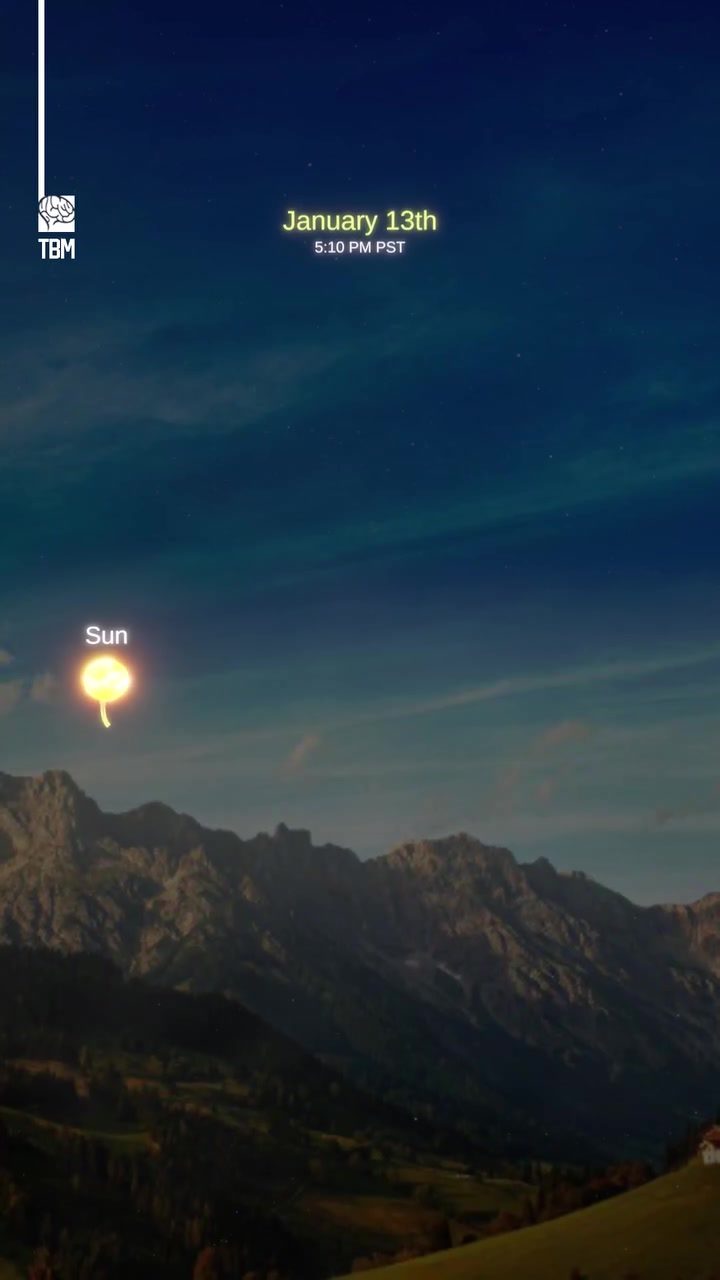
The analemma is a fascinating astronomical phenomenon that illustrates the Sun’s apparent annual motion in the sky. This figure-eight pattern is a result of Earth’s axial tilt and its elliptical orbit around the Sun. Understanding the analemma provides insights into the dynamics of our solar system and the patterns of daylight and darkness over the course of a year.
Why this Matters
The analemma is more than just a curious pattern; it has practical applications in timekeeping, navigation, and even in understanding climate patterns. By observing the analemma, we can gain a deeper appreciation for the complexities of Earth's orbit and the cyclic nature of sunlight.
Main Discussion
The Shape of the Analemma
The analemma’s distinct figure-eight shape is a direct result of two primary factors: the Earth's axial tilt and its elliptical orbit. Earth’s axis is tilted at an angle of about 23.5 degrees relative to its orbital plane. This tilt causes the Sun’s position in the sky to vary throughout the year, reaching its highest point at the summer solstice and its lowest at the winter solstice.
Additionally, Earth’s orbit around the Sun is elliptical, not perfectly circular. This means that the distance between Earth and the Sun varies slightly over the course of a year. When Earth is closest to the Sun (perihelion), it moves faster in its orbit, and when it is farthest (aphelion), it moves slower. These variations in speed and distance contribute to the asymmetrical shape of the analemma.
The Role of Earth's Tilts and Orbit
Earth’s axial tilt is crucial in determining the analemma’s shape. Without this tilt, the Sun would always appear at the same height in the sky at the same time of day throughout the year, and the analemma would not form. The tilt causes the Sun to move north and south in the sky, creating the vertical component of the figure-eight pattern.
The elliptical orbit, on the other hand, affects the horizontal component. When Earth is closer to the Sun, it moves faster, and the Sun appears to move faster across the sky. When Earth is farther from the Sun, it moves slower, and the Sun appears to move more slowly. This variation in speed contributes to the left-right loop of the figure-eight shape.
Observing the Analemma
Observing the analemma requires careful tracking of the Sun’s position over the course of a year. This is typically done by taking a photograph of the Sun at the same time of day from the same location. When these photographs are overlaid, they reveal the analemma’s figure-eight pattern.
The Analemma and Timekeeping
The analemma has historical significance in timekeeping. Before the advent of precise clocks and atomic time standards, people relied on the Sun’s position to keep time. The analemma helped astronomers and navigators understand the variations in solar time, which is based on the Sun’s position, and mean solar time, which is more consistent.
The Analemma and Navigation
Navigators have long used the analemma to determine their position on Earth. By knowing the Sun’s position at a specific time and date, navigators could calculate their latitude and longitude. This was particularly important before the advent of GPS and other modern navigation tools.
The Analemma and Climate
The analemma also has implications for climate patterns. The varying position of the Sun in the sky affects the amount of daylight and the angle at which sunlight strikes the Earth’s surface, which in turn influences temperature and weather patterns. Understanding the analemma can help scientists predict seasonal changes and long-term climate trends.
The Analemma in Everyday Life
While the analemma is a complex astronomical phenomenon, it has practical applications in everyday life. For example, it helps in designing solar panels and other renewable energy systems. By understanding the Sun’s path across the sky, engineers can optimize the placement and orientation of solar panels to maximize energy production.
Practical Tips
How to Photograph the Analemma
Photographing the analemma is a rewarding but time-consuming project. Here are some tips to get you started:
- Choose a Consistent Time and Location: Select a specific time of day and a fixed location to take your photographs. Consistency is key to capturing the analemma’s shape accurately.
- Use a Tripod: A tripod will help ensure that your photographs are taken from the same perspective each time.
- Mark the Sun’s Position: Use a marker or a consistent reference point to indicate the Sun’s position in each photograph.
- Overlap the Images: When overlaying your photographs, align them carefully to reveal the analemma’s shape.
Understanding Solar Time
Solar time is the time based on the Sun’s position in the sky. It varies throughout the year due to the analemma. To understand solar time:
- Know the Equation of Time: The equation of time accounts for the difference between solar time and mean solar time. It varies throughout the year and is closely related to the analemma.
- Use a Sun Dial: A sundial is a simple device that uses the Sun’s position to tell time. It can help you understand the nuances of solar time.
Important Takeaways
- The analemma is a figure-eight pattern that represents the Sun’s annual path in the sky.
- It is caused by Earth’s axial tilt and its elliptical orbit around the Sun.
- Observing the analemma requires careful tracking of the Sun’s position over the course of a year.
- The analemma has applications in timekeeping, navigation, and understanding climate patterns.
Conclusion
The analemma is a captivating phenomenon that offers insights into the complexities of Earth’s orbit and the dynamics of our solar system. By understanding the analemma, we can appreciate the intricate dance of the Sun and Earth and gain a deeper understanding of the natural world. Whether you’re an amateur astronomer, a navigator, or simply curious about the patterns of daylight and darkness, the analemma is a fascinating subject to explore.
Watch the Reel
Questions readers ask
What causes the analemma's unique figure-eight shape?
The analemma's distinctive shape is primarily due to two factors: Earth's axial tilt of approximately 23.5 degrees and its elliptical orbit around the Sun. These factors cause the Sun's position in the sky to vary throughout the year, tracing out the figure-eight pattern.
How does the analemma help in timekeeping?
The analemma can assist in timekeeping by illustrating the variation in the Sun's position throughout the year. This variation affects the length of a solar day, which is not constant due to Earth's elliptical orbit and axial tilt. By understanding the analemma, one can make adjustments to keep time more accurately.
Why is the analemma important for navigation?
Historically, the analemma has been used for celestial navigation. By understanding the Sun's apparent path, navigators can determine their position on Earth using the position of the Sun in the sky. The analemma provides a map of the Sun's position, making it a valuable tool for navigating based on the Sun's course.
How does the analemma relate to climate patterns?
The analemma's pattern reflects the changing angles and intensity of sunlight throughout the year, which directly influences climate patterns. The variation in the Sun's position affects the distribution of heat and light on Earth, contributing to seasonal changes and weather patterns.
Can the analemma be observed from any location on Earth?
The analemma can be observed from most locations on Earth, although its appearance may vary. The best views are typically from mid-latitudes, where the full figure-eight shape is more visible. In equatorial regions, the analemma appears more as a straight line, while in polar regions, it may not be visible at all.
What tools can be used to visualize the analemma?
To visualize the analemma, you can use a sundial or a special camera setup. A sun path animation can also help in understanding the analemma. By tracking the Sun's position at the same time each day, you can create a visual representation of the analemma's figure-eight pattern.
Related deep dives
Similar reads based on topic and creator.

Recent articles
Fresh deep dives from the latest Reels we unpacked.




Comments
Be the first to comment.