Voter ID Rules and Their Impact on Equality
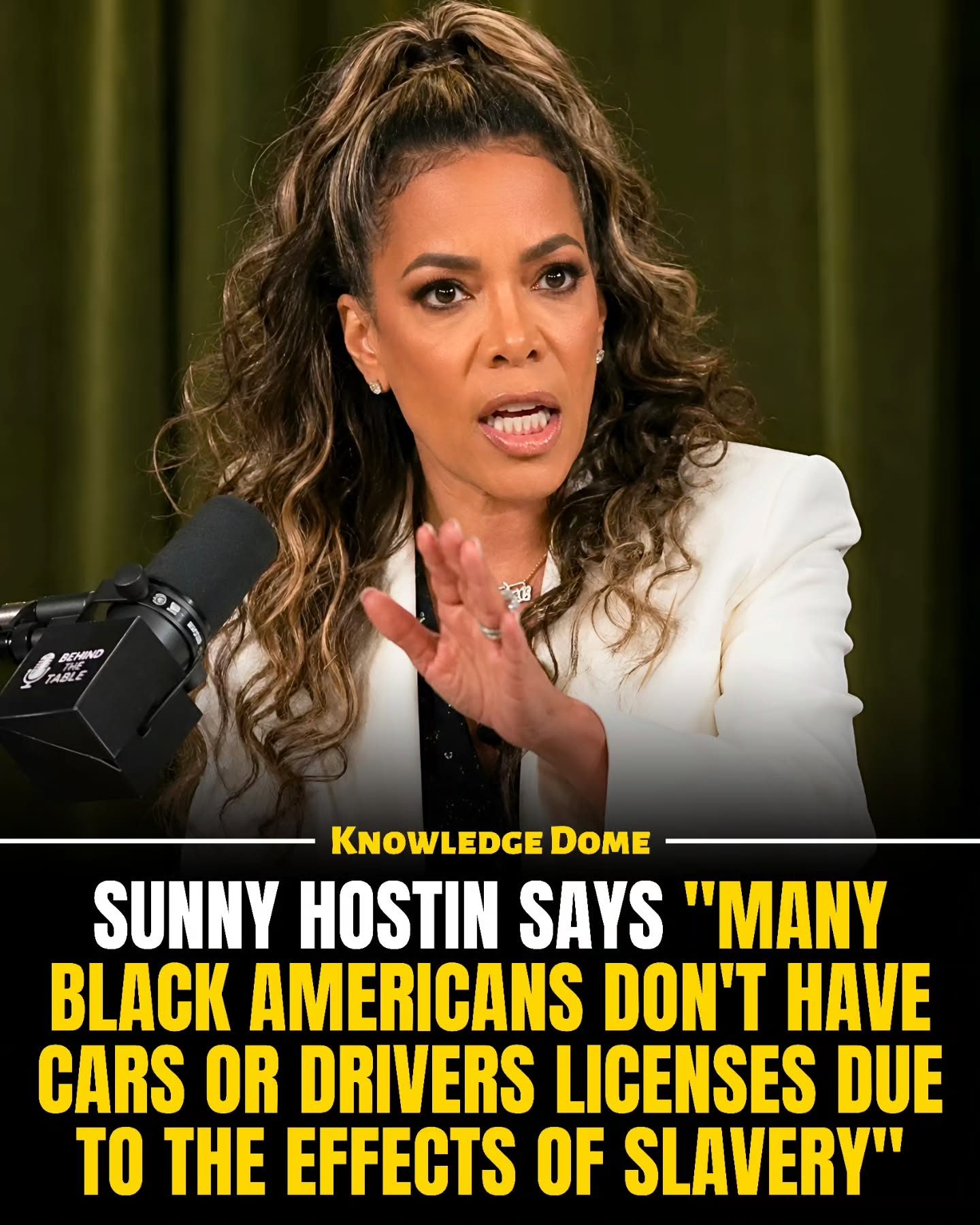
Voter identification (ID) rules have been a contentious topic in the United States, sparking debates about their necessity, impact on voter access, and potential discriminatory effects. Sunny Hostin, a co-host of the popular podcast The View: Behind the Table, recently brought attention to the issue by highlighting a significant barrier to voting: the lack of driver's licenses and cars among some Black Americans and poor people.
Why This Matters
Voter ID laws require individuals to present specific forms of identification to vote. These laws have been enacted in many states, and while their proponents argue they combat voter fraud, critics contend they disproportionately affect marginalized communities. This debate is not merely about politics; it goes to the heart of democratic principles and the right to vote.
Understanding the Historical Context
The Impact of Slavery and Jim Crow Laws
Hostin's comments shed light on the historical context of these issues. She mentioned that many Black Americans and poor people lack driver’s licenses and cars, a situation tied to a long history of laws post-slavery. This historical legacy includes Jim Crow laws, which systematically disenfranchised Black Americans and limited their economic and social mobility. For instance, poll taxes and literacy tests were used to prevent Black Americans from voting, and similar barriers were erected to limit access to driver’s licenses.
Modern Implications
Although slavery and Jim Crow laws are part of the past, their effects linger. The lack of driver’s licenses and cars can create significant barriers to voting. For example, without a driver’s license, individuals may struggle to obtain the required ID for voting. Similarly, without a car, transportation to polling locations can be challenging, especially in areas with limited public transit.
The Debate After Hostin’s Statement
Criticism of Hostin’s Comments
Hostin's statement sparked a heated debate online. Critics argued that her comments were overly simplistic and did not fully account for the current realities of Black Americans and poor people. They suggested that modern life situations and personal choices play a more significant role in determining access to cars and driver's licenses than historical factors alone. These critics contend that attributing the current lack of access to slavery oversimplifies the issue and ignores the complexities of modern socioeconomic factors.
Arguments in Favor
On the other hand, supporters of Hostin's views pointed out that her main argument was about the economic barriers and unfair obstacles that can make voting harder for some people. They asserted that strict voter ID laws can disproportionately affect those who already have fewer resources, whether due to historical factors or current economic circumstances. The debate highlights the ongoing struggle over the balance between ensuring election integrity and safeguarding the right to vote for all citizens.
Current Barriers to Voting
Economic Barriers
Economic hardships remain a significant barrier to voting. The cost of obtaining a driver's license, which can include fees for exams, application, and documentation, can be prohibitive for low-income individuals. Additionally, the time and transportation required to visit multiple government offices to obtain the necessary documents can be a significant burden.
Transportation Issues
In rural and underserved urban areas, lack of transportation can prevent individuals from reaching polling locations. This issue is compounded for those without access to a personal vehicle and limited public transportation options. The burden of travel can make it difficult for some people to cast their ballots, particularly for those with work schedules that don't align with voting hours or those with disabilities.
Identification Documentation
The types of identification required can also present challenges. Many states require specific forms of photo ID, such as driver’s licenses, passports, or military IDs. For individuals who do not have these documents, obtaining alternative IDs can be a time-consuming and costly process, further complicating their ability to vote.
Practical Tips
Community Support
Communities can play a crucial role in helping individuals overcome barriers to voting. Local organizations can offer transportation to polling locations, provide assistance with obtaining necessary IDs, and organize voter registration drives.
Government Initiatives
Governments can take steps to mitigate the impact of voter ID laws. This can include offering free or low-cost IDs for voting purposes, extending the hours and locations of polling stations, and providing additional forms of accepted identification. Ensuring that these measures are accessible to all residents, regardless of their economic status, can help reduce the burden of voter ID requirements.
Public Awareness
Increasing public awareness about the barriers to voting and the available resources can help more individuals participate in the democratic process. Educating voters about their rights and the steps they can take to overcome these barriers can empower communities to advocate for themselves.
Important Takeaways
Historical Context Matters
Understanding the historical context of voter ID laws and their impact on marginalized communities is essential for crafting policies that promote equal access to voting. The legacy of slavery and Jim Crow laws continues to affect these communities, and addressing these issues requires a comprehensive approach that acknowledges this history.
Economic and Social Barriers
Economic and social barriers can be as significant as historical factors in determining access to voting. Policies must account for the current realities of these communities, including financial constraints, transportation issues, and documentation requirements.
Community and Government Action
Effective solutions require collective action from communities, governments, and individuals. By working together, we can ensure that all citizens have an equal opportunity to exercise their right to vote, regardless of their economic status or historical circumstances.
Conclusion
The ongoing debate about voter ID rules highlights the complexity of ensuring fair and equal access to voting. Sunny Hostin's comments brought attention to the historical and contemporary barriers faced by some Black Americans and poor people, sparking a conversation about the necessity of addressing these issues. By understanding the historical context, recognizing the current challenges, and taking collective action, we can work towards a more inclusive and equitable voting process.
Watch the Reel
Questions readers ask
How do voter ID laws specifically impact Black Americans and poor people, according to Sunny Hostin?
Sunny Hostin points out that voter ID laws can disproportionately affect Black Americans and poor people who may lack driver's licenses and cars. This makes it difficult for them to obtain the necessary identification to vote, creating an additional barrier to participating in the democratic process.
What historical context does Hostin tie to the current debate on voter ID laws?
Hostin ties the current debate to a long history of legal barriers that have historically hindered the economic and social mobility of marginalized communities. These barriers have made it difficult for certain groups to access the resources and opportunities necessary to thrive.
Why are driver's licenses a contentious issue in the context of voter ID laws?
Driver's licenses are a contentious issue because they are often required as a form of identification to vote in states with voter ID laws. However, not everyone has a driver's license, particularly those who cannot afford a car or live in areas with limited public transportation. This can put individuals in a difficult position when trying to obtain the necessary identification to vote.
What are the arguments made by proponents of voter ID laws, and what do critics contend?
Proponents of voter ID laws argue that they are necessary to prevent voter fraud, ensuring the integrity of the voting process. Critics, however, contend that these laws disproportionately affect marginalized communities, such as Black Americans. Critics argue that these laws create unnecessary impediments to voting, particularly for those who may not have the resources or access to obtain the required identification.
How do voting laws impact economic and social mobility for marginalized communities?
Voting laws, particularly those that require specific forms of identification, can impede economic and social mobility for marginalized communities. This is because these laws can make it challenging for individuals to vote, limiting their political voice and representation. As a result, decisions affecting their communities may not accurately reflect their needs and priorities.
What role do legal barriers play in the discussion around voting laws and inequality?
Legal barriers, such as voter ID laws, play a significant role in the discussion around voting laws and inequality. These barriers can make it difficult for marginalized communities to participate in the voting process, perpetuating historical inequalities. By understanding and addressing these barriers, steps can be taken to ensure that everyone has an equal opportunity to participate in the democratic process.
Recent articles
Fresh deep dives from the latest Reels we unpacked.




Comments
Be the first to comment.