Sunglasses and Health: The Truth About UV Protection
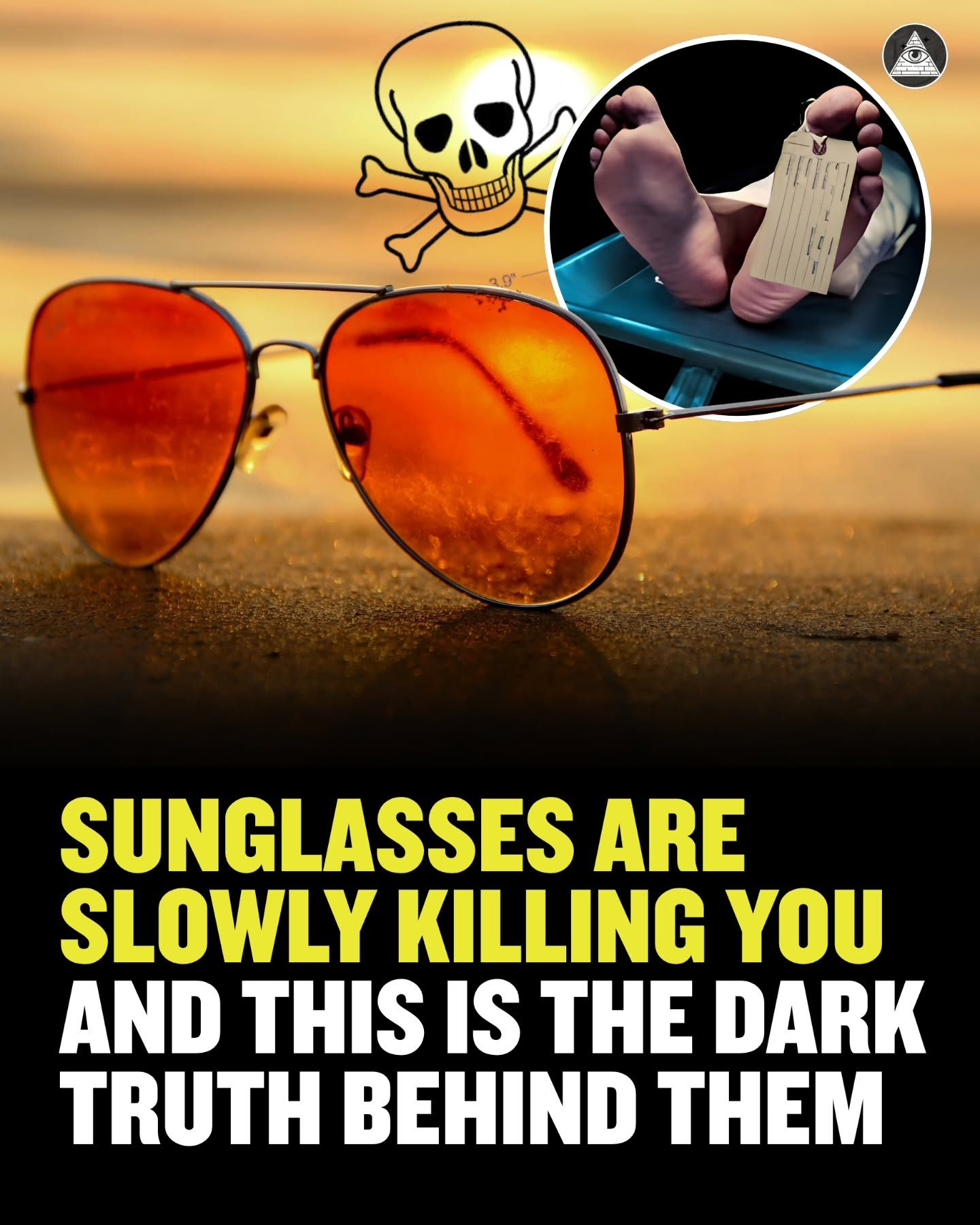
Sunglasses are a staple accessory for many, beloved for their fashion appeal and practical use in bright conditions. However, misinformation about their impact on health can be confusing. Claims that sunglasses are harmful to the pineal gland have circulated, raising questions about their safety. The truth, though, is more straightforward and critical for protecting your eye health.
Why Sunglasses and Eye Health Matter
The debate often hinges on the role of the pineal gland, which is sometimes referred to as the "third eye." While this gland is crucial for regulating sleep, mood, and even spiritual well-being, there is no scientific evidence linking sunglasses to direct harm to the pineal gland. However, the real issue lies in the type of sunglasses you wear and the protection they offer.
Claims About the Pineal Gland
The Pineal Gland and Light
The pineal gland produces melatonin, a hormone that helps regulate sleep-wake cycles. It is sensitive to light, particularly blue light, which is why exposure to different types of light can affect our circadian rhythms. Some claims suggest that sunglasses block necessary sunlight from reaching the pineal gland, thereby disrupting its function. This is a misconception. The pineal gland responds to overall light exposure, not necessarily direct sunlight.
The Role of UV Protection
The primary concern with sunglasses is not about blocking light from the pineal gland but about protecting your eyes from harmful UV rays. The type of sunglasses you wear can either enhance or diminish this protection. Cheap sunglasses that lack UV protection can be more harmful than wearing no sunglasses at all. This is because the dark lenses cause your pupils to dilate, allowing more UV rays to enter your eyes.
The Importance of UV Protection
Understanding UV Rays
Ultraviolet (UV) rays are a type of electromagnetic radiation from the sun. There are three main types: UVA, UVB, and UVC. UVA and UVB rays are the most concerning for eye health, as they can cause cataracts, macular degeneration, and other eye diseases. UVC rays are mostly filtered out by the Earth's atmosphere.
How Sunglasses Protect Your Eyes
Sunglasses with proper UV protection block these harmful rays, reducing the risk of eye damage. Effective sunglasses should block 99% to 100% of both UVA and UVB rays. This level of protection is what determines the safety of sunglasses, not the price or brand.
Practical Tips for Choosing Sunglasses
What to Look For
When selecting sunglasses, focus on the label rather than the price or brand. Look for sunglasses that clearly state they block 99% to 100% of UVA and UVB rays. These can often be found at drugstores for just a few dollars or at specialty stores for higher prices, but the key factor is the level of protection, not the cost.
The UV400 Standard
Sunglasses labeled with "UV400" protection block nearly all UV rays up to 400 nanometers, which include UVA and UVB rays. This is a reliable standard to look for when choosing sunglasses.
Avoiding Counterfeit Sunglasses
Be cautious of counterfeit sunglasses that claim to offer UV protection but do not meet the necessary standards. Always check for legitimate labels and consider buying from reputable sources to ensure you are getting genuine UV protection.
Important Takeaways
- UV Protection is Crucial: Sunglasses without UV protection can increase your UV exposure, which is dangerous for your eye health.
- Check the Label: Look for sunglasses that block 99% to 100% of UVA and UVB rays. The label is more important than the price or brand.
- Avoid Cheap, Fashionable Sunglasses: Cheap sunglasses without UV protection can be more harmful than wearing no sunglasses at all.
- Consider the UV400 Standard: This label indicates that the sunglasses block nearly all UV rays up to 400 nanometers.
Conclusion
The misconception that sunglasses are harmful to the pineal gland has been debunked. The real issue lies in the type of sunglasses you wear and the level of UV protection they offer. Choosing sunglasses with proper UV protection is essential for maintaining good eye health. By understanding the importance of UV protection and selecting the right sunglasses, you can enjoy your eyewear without worrying about health risks. Always prioritize UV protection over fashion, and ensure you are protecting your eyes effectively.
By following these guidelines, you can make informed choices about your sunglasses and safeguard your eye health for years to come.
Watch the Reel
Questions readers ask
Do sunglasses really protect my eyes from UV rays?
Yes, sunglasses with proper UV protection can significantly shield your eyes from harmful ultraviolet A and B (UVA and UVB) rays, which can cause various eye problems, including cataracts and macular degeneration. However, not all sunglasses offer sufficient UV protection, so it's important to choose the right ones.
What does the pineal gland myth involve, and is it true?
The myth suggests that wearing sunglasses, especially those that are very dark, can negatively affect the pineal gland, which regulates sleep and mood. However, there is no scientific evidence to support this claim. The pineal gland is not directly influenced by the light that sunglasses filter out.
How can I ensure I'm choosing the best sunglasses for eye protection?
Look for sunglasses that block 100% of UVA and UVB rays. Additionally, consider polarized lenses, which reduce glare and improve visual clarity. Sunglasses with a wrap-around design can also provide better protection from various angles.
Are cheap sunglasses safe to wear?
Cheap sunglasses can be risky because they often do not provide adequate UV protection, which can lead to more harm than good. They might reduce visible light, making your pupils dilate and potentially increasing UV exposure to your eyes. To be safe, invest in sunglasses from reputable brands.
Can I wear dark sunglasses indoors?
Wearing dark sunglasses indoors is generally unnecessary because the light levels are low, and there is minimal UV exposure. However, it can be done if you are sensitive to bright indoor lighting. The key is to use sunglasses that offer 100% UVA/UVB protection when you are outdoors, as this is when your eyes are most at risk.
Why should I choose polarized sunglasses?
Polarized sunglasses are particularly effective in reducing glare, particularly from reflective surfaces like water, snow, and roads. This can enhance visual comfort and reduce eye strain. However, the primary consideration should be the level of UV protection they provide.
Are there any health risks associated with wearing sunglasses?
Wearing sunglasses with proper UV protection does not pose any health risks to your eyes or the pineal gland. In fact, it is crucial for maintaining eye health. The only risk comes from wearing cheap, low-quality sunglasses that do not offer adequate UV protection, which can potentially increase eye damage.
Related deep dives
Similar reads based on topic and creator.

Recent articles
Fresh deep dives from the latest Reels we unpacked.




Comments
Be the first to comment.