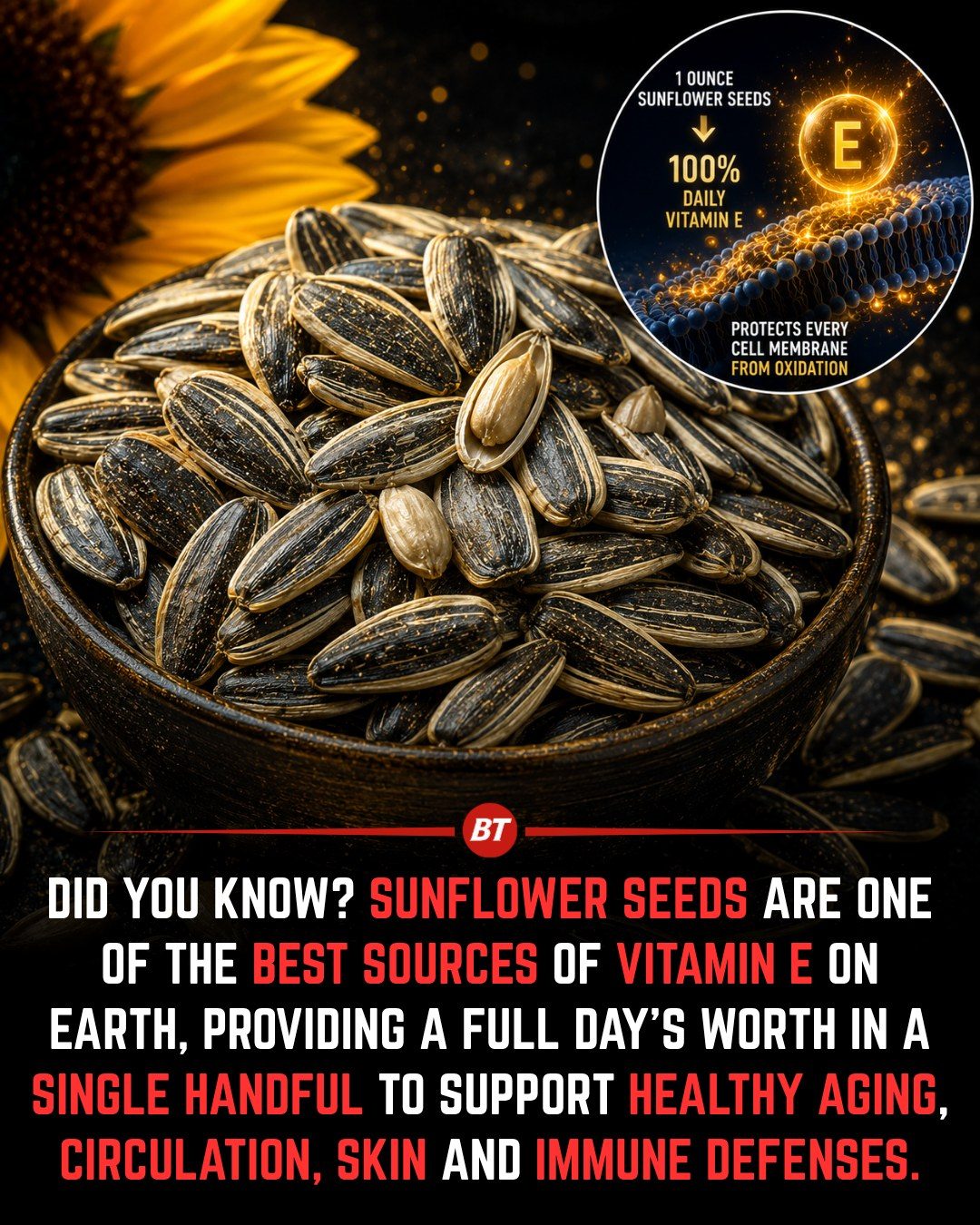
Sunflower Seeds: A Powerhouse of Vitamin E and Health Benefits
Sunflower seeds are tiny yet mighty, packed with nutrients that support overall health. Their most notable benefit comes from being one of the richest natural sources of vitamin E, which is crucial for protecting cells from oxidative damage.
Why this Matters
Vitamin E is a fat-soluble antioxidant that plays a vital role in the body's defense mechanisms against free radicals. These unstable molecules can damage cell membranes, accelerate aging, and contribute to chronic diseases. By neutralizing free radicals, vitamin E helps maintain cellular health and supports various bodily functions.
The Power of Vitamin E in Sunflower Seeds
Sunflower seeds are particularly rich in vitamin E, providing a substantial portion—often more than 100%—of your daily needs in just a single handful. This makes them an excellent choice for boosting your vitamin E intake and reaping its numerous benefits.
Protecting Cellular Membranes
Every cell in your body is enclosed by a fatty membrane, which vitamin E helps protect from oxidation. Oxidative damage to these membranes can lead to cellular dysfunction and contribute to the development of chronic diseases. By fortifying these membranes, vitamin E supports overall cellular integrity and function.
Supporting Skin Health
Vitamin E is well-known for its role in maintaining healthy skin. It helps protect the skin from oxidative damage, which can cause premature aging and wrinkling. Regular consumption of sunflower seeds can contribute to a more youthful and radiant complexion by supporting skin health from within.
Promoting Cardiovascular Health
Adequate vitamin E intake is linked to improved cardiovascular function. Vitamin E helps protect LDL cholesterol—often referred to as "bad" cholesterol—from oxidation, which can lead to plaque buildup in the arteries and increase the risk of heart disease. By working alongside other antioxidants like vitamin C and selenium, vitamin E supports heart health and normal circulation.
Additional Nutritional Benefits
In addition to being a powerhouse of vitamin E, sunflower seeds offer a range of other essential nutrients:
Magnesium
Magnesium is essential for numerous bodily functions, including muscle and nerve function, blood sugar control, and blood pressure regulation. Sunflower seeds are a good source of this vital mineral.
Selenium
Selenium is a potent antioxidant that supports immune function and thyroid health. It works synergistically with vitamin E to enhance the body's antioxidant defenses.
Copper
Copper plays a crucial role in the production of red blood cells, collagen, and energy. It also helps maintain healthy bones, blood vessels, and the nervous system.
Healthy Fats, Plant Protein, and Fiber
Sunflower seeds provide a healthy balance of monounsaturated and polyunsaturated fats. They are also a source of plant protein and dietary fiber, making them a satisfying and nutritious snack.
Practical Tips for Incorporating Sunflower Seeds
Enjoying a handful of sunflower seeds as a snack is an easy way to boost your vitamin E intake. They can also be used to enhance the nutritional content of other dishes. Here are a few practical tips:
Snacking
Raw or lightly roasted sunflower seeds make a satisfying and crunchy snack. Choose unsalted varieties to avoid excess sodium.
Toppings
Sprinkle sunflower seeds over salads, yogurt, or oatmeal for added texture and nutrition.
Trailmix
Blend sunflower seeds with other nuts, dried fruits, and dark chocolate for a homemade trail mix.
Baking
Add sunflower seeds to baked goods like muffins, bread, and cookies for a nutritional boost.
Important Takeaways
Sunflower seeds offer numerous health benefits, primarily due to their high vitamin E content. Regular consumption can support healthy skin, cardiovascular function, and immune health. They are also a good source of other essential nutrients, including magnesium, selenium, copper, and healthy fats.
Conclusion
Incorporating sunflower seeds into your diet is a simple and delicious way to enhance your health. Their rich nutritional profile, particularly the high vitamin E content, makes them a valuable addition to any balanced diet. Enjoy them as a snack or add them to your favorite dishes to reap the benefits of these powerful little seeds.
Watch the Reel
Questions readers ask
How much vitamin E can I get from sunflower seeds?
Sunflower seeds are one of the best natural sources of vitamin E. Just one ounce (about a handful) provides approximately 80% of the recommended daily intake, making them an excellent choice for boosting your vitamin E levels.
What are the key benefits of vitamin E in sunflower seeds?
The vitamin E in sunflower seeds plays a crucial role in protecting cells from oxidative damage, which can slow down the aging process and reduce the risk of chronic diseases. It also supports skin health and promotes cardiovascular function.
How do sunflower seeds support anti-aging efforts?
Sunflower seeds support anti-aging by providing a high amount of vitamin E, which neutralizes harmful free radicals. This helps to maintain cellular health, reduce inflammation, and potentially slow down the visible signs of aging on the skin.
Can sunflower seeds help improve cardiovascular health?
Yes, the vitamin E in sunflower seeds contributes to cardiovascular health by protecting cells from oxidative damage and reducing inflammation. This can help maintain heart function and decrease the risk of heart disease.
What are some other health benefits of sunflower seeds?
Apart from being rich in vitamin E, sunflower seeds offer a range of health benefits, including being a good source of healthy fats, fiber, and various minerals like magnesium and selenium. They also contain beneficial plant compounds that support overall health.
How can I incorporate sunflower seeds into my daily diet?
Sunflower seeds are versatile and can be easily added to your daily diet. You can sprinkle them on salads, yogurt, or oatmeal, blend them into smoothies, or simply enjoy them as a snack. A small handful each day can provide a significant boost of vitamin E and other valuable nutrients.
Are there other natural sources of vitamin E besides sunflower seeds?
While sunflower seeds are one of the richest natural sources, other foods high in vitamin E include almonds, avocados, spinach, and olive oil. Incorporating a variety of these foods into your diet can help you meet your daily vitamin E requirements.
Related deep dives
Similar reads based on topic and creator.




Recent articles
Fresh deep dives from the latest Reels we unpacked.




Comments
Be the first to comment.