Shampoo and Hormones: Understanding the Hidden Risks
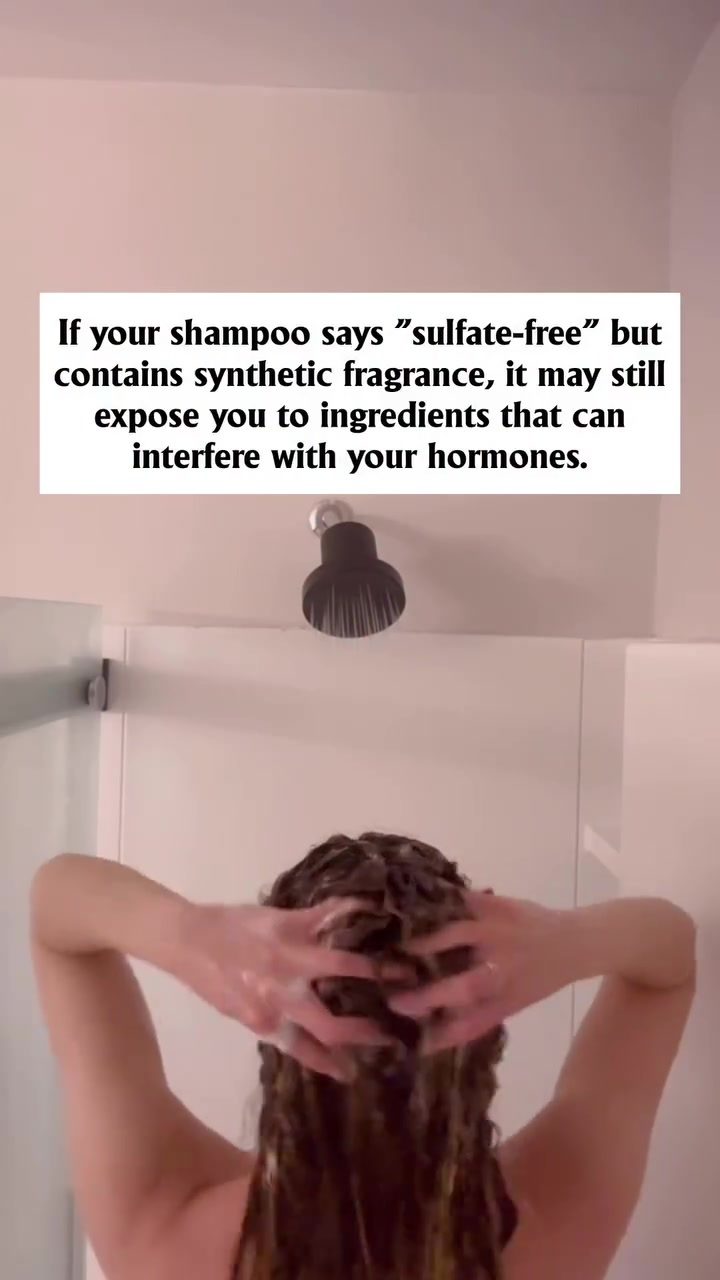
When you pick up a bottle of shampoo labeled "sulfate-free," you might assume it’s a healthier choice. However, the truth is more complex. Even sulfate-free shampoos can contain synthetic fragrances that may interfere with your hormones. Let's explore this issue and what it means for your hair care routine.
Context: Why This Matters
Healthy hair starts with healthy habits. Unfortunately, many people rely on misleading labels when choosing hair care products. By understanding the potential risks associated with synthetic fragrances, you can make more informed decisions about the products you use.
The Problem with Synthetic Fragrances
What Are Synthetic Fragrances?
Synthetic fragrances are commonly used in personal care products, including shampoos, to enhance their scent. These fragrances can contain dozens, or even hundreds, of undisclosed chemicals. The term "fragrance" or "parfum" on an ingredient list can serve as a catch-all for a mix of various chemicals, many of which are not required to be listed individually.
Hormonal Interference
Some of these undisclosed chemicals have been linked to endocrine disruption. Endocrine disruptors are substances that interfere with the body's hormonal system, potentially leading to a range of health issues. For people with sensitive skin or scalps, these fragrances may also contribute to irritation and other adverse reactions.
The Role of Sulfates
Sulfates, such as sodium lauryl sulfate (SLS) and sodium laureth sulfate (SLES), are surfactants commonly used in shampoos to create lather. However, sulfates can be harsh and strip the hair of its natural oils, leading to dryness and irritation. While removing sulfates is a step in the right direction, it’s just one piece of the puzzle. Simply being sulfate-free doesn't ensure a product is free from potentially harmful chemicals.
Maintaining Healthy Hair
Reading Ingredient Lists
Paying attention to the entire ingredient list, not just the claims on the front of the bottle, is crucial. Look for products that list their ingredients transparently and avoid those with vague terms like "fragrance" or "parfum." Opt for products with natural or essential oil-based fragrances, which are generally considered safer.
Choosing Safer Products
When selecting a shampoo, consider the following tips to ensure you're choosing a safer, healthier option:
- Seek Natural and Organic Options: These products are often formulated with fewer chemicals and are more likely to avoid synthetic fragrances.
- Check for Certifications: Look for certifications from reputable organizations that verify the product is free from harmful chemicals.
- Avoid Irritants: In addition to sulfates and synthetic fragrances, avoid products with other known irritants like parabens, phthalates, and artificial colors.
Understanding Labels
Labels can be misleading, so it’s important to be a discerning consumer. Claims like "hypoallergenic" or "gentle" don’t always mean a product is free from harmful chemicals. Always check the ingredient list and do your research.
Practical Tips for Healthier Hair
Opt for Sulfate-Free and Fragrance-Free
Look for shampoos that are both sulfate-free and fragrance-free. This ensures you’re not exposing your hair and scalp to harsh chemicals or potential endocrine disruptors.
Incorporate Natural Ingredients
Choose shampoos with natural ingredients like aloe vera, coconut oil, or tea tree oil. These ingredients can nourish your hair and scalp without the risks associated with synthetic chemicals.
Consider DIY Options
If you’re concerned about the chemicals in commercially available shampoos, consider making your own at home. Simple ingredients like baking soda, apple cider vinegar, and essential oils can create effective and safe hair care solutions.
Stay Informed
Keep up with the latest research on hair care products and their ingredients. The list of harmful chemicals can change, and staying informed can help you make the best choices for your hair and overall health.
Important Takeaways
- Synthetic Fragrances Can Be Harmful: Even sulfate-free shampoos can contain synthetic fragrances that may interfere with your hormones.
- Read the Ingredient List: Don’t rely solely on the claims on the front of the bottle. Check the entire ingredient list for potentially harmful chemicals.
- Opt for Natural and Transparent Products: Choose shampoos with natural ingredients and clear labeling to ensure you’re making a healthy choice.
Conclusion
Choosing the right shampoo goes beyond avoiding sulfates. Understanding the potential risks associated with synthetic fragrances and other chemicals is essential for maintaining healthy hair. By being a discerning consumer and opting for products with transparent ingredient lists, you can support healthier hair and overall well-being. Always remember that healthy hair starts with ingredients you can trust.
Watch the Reel
Questions readers ask
What are synthetic fragrances and why are they used in shampoo?
Synthetic fragrances are artificially created scent compounds used in shampoo to provide a pleasant smell. They are used because they are often cheaper and more consistent than natural fragrances, and can be designed to last longer. They play no role in cleaning hair.
How do synthetic fragrances in shampoo potentially affect hormones?
Synthetic fragrances can act as endocrine disruptors, which means they may interfere with your body's hormonal system. This interference can potentially lead to various health issues, including reproductive problems and developmental concerns.
Is 'sulfate-free' shampoo always a safer choice?
Not necessarily. While 'sulfate-free' shampoos do not contain sulfates, which can be harsh on the skin and scalp, they can still include synthetic fragrances and other potentially harmful ingredients. Always check the ingredient list for a complete picture of what you're applying to your hair and scalp.
What should I look for in a shampoo ingredient list to avoid synthetic fragrances?
Look for shampoos that clearly list all ingredients and avoid products that simply list 'fragrance' or 'parfum' as an ingredient. These terms can indicate the presence of synthetic fragrances. Opt for shampoos with natural or no fragrances instead.
Are there any shampoos specifically formulated to support hormone health?
Yes, there are shampoos on the market that are formulated without synthetic fragrances, parabens, and other potentially harmful chemicals. These shampoos are designed to be gentler on the body and may support overall hormonal balance.
What are some safe alternatives to synthetic fragrances in shampoo?
There are natural alternatives to synthetic fragrances in shampoos such as essential oils. Essential oils are derived from plants and can provide a pleasant scent without the potential health risks associated with synthetic fragrances.
Related deep dives
Similar reads based on topic and creator.

Recent articles
Fresh deep dives from the latest Reels we unpacked.




Comments
Be the first to comment.