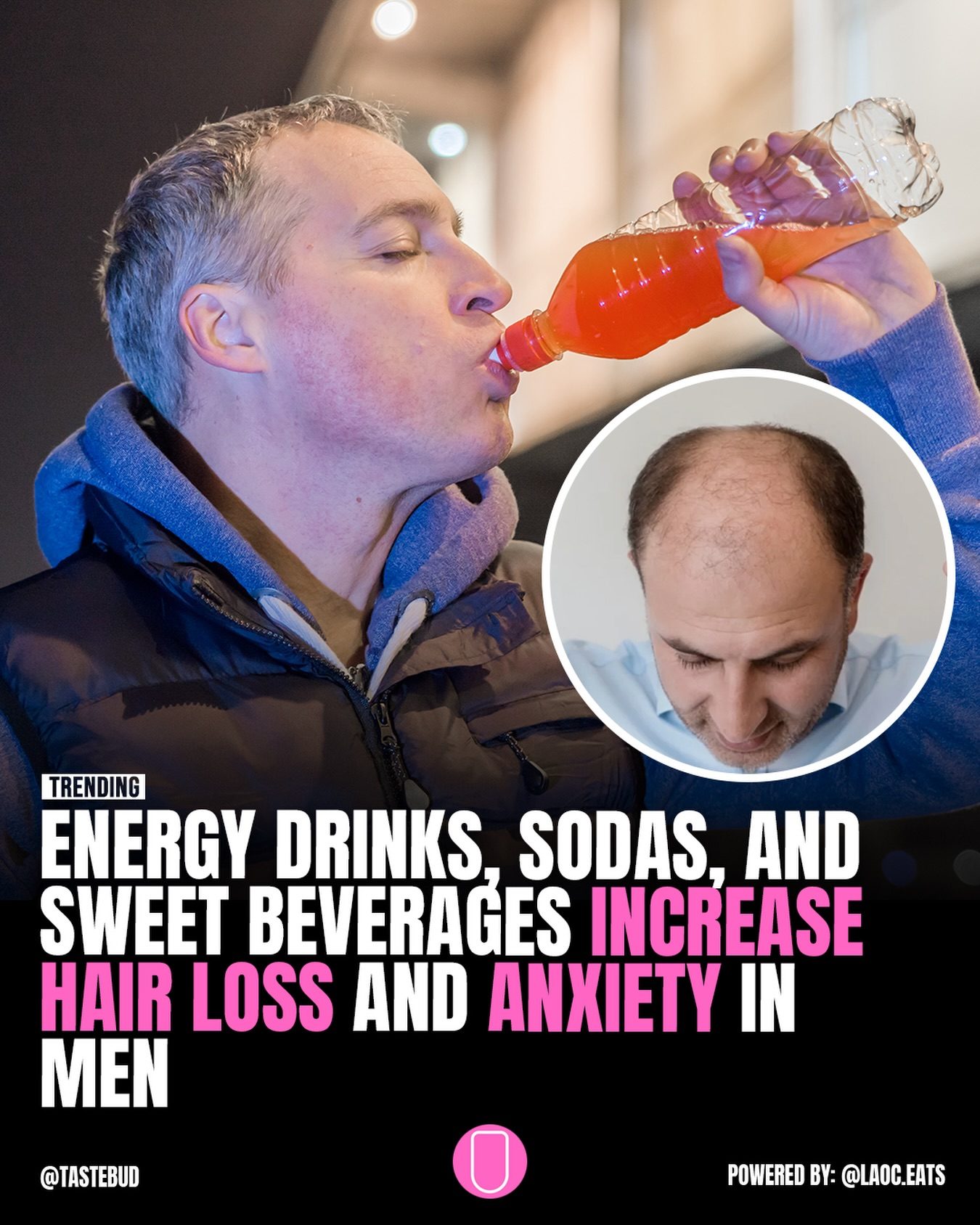
Sugary and Caffeinated Drinks: Potential Health Concerns for Men
Sugary and caffeinated beverages are popular choices for many, but recent studies suggest that these drinks may have hidden health risks, particularly for men. Let's explore the potential impacts of these beverages on hair loss and mental health, as well as the importance of moderating their intake.
Why This Matters
Understanding the potential health implications of popular beverages is crucial for making informed choices. With the rising prevalence of sodas, energy drinks, and sweetened teas, it's essential to recognize how these drinks can affect overall well-being. By delving into the scientific findings, we can better appreciate the significance of moderation in consumption.
The Link Between Sugary Drinks and Hair Loss
A study from Tsinghua University has brought attention to the potential link between sugary drinks and male pattern hair loss. This condition, also known as androgenetic alopecia, is characterized by a receding hairline and thinning crown. While genetics play a significant role, environmental factors, such as diet, can also contribute to the risk.
Sugary drinks, which are high in fructose and glucose, can lead to elevated insulin levels. This, in turn, can cause an increase in androgens, a group of hormones that includes testosterone. Increased androgen levels have been linked to hair loss in men, as these hormones can shrink the hair follicles and shorten the growth phase of the hair cycle.
Understanding Male Pattern Hair Loss
Male pattern hair loss typically follows a predictable pattern, beginning with a receding hairline at the temples and progressing to thinning at the crown. While it's normal for men to experience some hair loss with age, the rate and extent can vary greatly. Factors such as diet, stress, and overall health can exacerbate this condition.
The Role of Sugary Drinks
Sugary drinks contribute to this risk through their impact on insulin levels. High insulin levels can lead to increased androgen production, which can, in turn, accelerate hair loss. By reducing the intake of sugary beverages, men may be able to mitigate some of the risks associated with male pattern hair loss.
The Impact of High Caffeine Levels in Energy Drinks
Energy drinks have become a staple for many, offering a quick energy boost through high caffeine content. However, this high caffeine intake can have severe health implications, including anxiety, rapid heart rates, and, in severe cases, seizures.
How Caffeine Affects the Body
Caffeine stimulates the central nervous system, which can lead to increased alertness and energy. However, high doses of caffeine can overstimulate the nervous system, leading to anxiety, restlessness, and even panic attacks. For individuals who are sensitive to caffeine or have underlying heart conditions, the risks can be even higher.
The Dangers of Energy Drinks
Energy drinks often contain high levels of caffeine, sometimes exceeding 500 milligrams per serving. This is significantly higher than the recommended daily limit of 400 milligrams for most adults. Regular consumption of such high doses can lead to a range of health issues, including:
- Anxiety and restlessness
- Rapid heart rate and palpitations
- High blood pressure
- Sleep disturbances
- Dehydration
In severe cases, consuming large amounts of energy drinks can result in seizures, heart attacks, and even death. It's essential to be aware of these risks and to consume energy drinks in moderation.
The Long-Term Effects of Frequent Beverage Consumption
Consuming high amounts of energy drinks and sodas regularly can have long-term effects on overall health. These beverages are typically high in sugar and low in nutritional value, contributing to various health issues.
Sugar and Overall Health
Frequent consumption of sugary drinks can lead to weight gain, increased risk of type 2 diabetes, and cardiovascular disease. High sugar intake can cause insulin resistance, making it difficult for the body to regulate blood sugar levels. This can lead to a range of metabolic issues, including obesity and diabetes.
Caffeine and Overall Health
Excessive caffeine consumption can lead to dependence and withdrawal symptoms, including headaches, irritability, and fatigue. Long-term use of high-caffeine beverages can also contribute to anxiety disorders and sleep disturbances. It's essential to monitor caffeine intake and consider the potential long-term effects on mental and physical health.
Practical Tips for Moderating Beverage Intake
Moderating the intake of sugary and caffeinated beverages is key to maintaining overall health. Here are some practical tips to help you reduce your consumption:
-
Choose Water as Your Primary Beverage: Opt for water instead of soda or energy drinks. It's calorie-free and essential for hydration. If you prefer flavored beverages, consider infusing water with fruits or herbs.
-
Set Limits on Caffeine Intake: Limit your caffeine consumption to the recommended daily amount of 400 milligrams. Monitor your intake and consider reducing it further if you experience side effects.
-
Opt for Healthier Alternatives: Replace sugary and caffeinated drinks with healthier alternatives like herbal tea, sparkling water, or natural fruit juices. These options are lower in sugar and caffeine and offer additional health benefits.
-
Be Mindful of Portion Sizes: Pay attention to portion sizes when consuming energy drinks and sodas. Even if you choose to drink these beverages occasionally, limiting the amount can help mitigate the associated risks.
Important Takeaways
-
Potential Link to Hair Loss: Sugary drinks may increase the risk of male pattern hair loss by affecting insulin and androgen levels.
-
Caffeine Risks: High caffeine levels in energy drinks can lead to anxiety, rapid heart rates, and, in severe cases, seizures.
-
Health Impacts: Regular consumption of sodas, sweetened teas, and energy drinks can negatively affect overall well-being.
-
Moderation is Key: Limiting the intake of these beverages and opting for healthier alternatives can support long-term health.
Conclusion
Moderating the intake of sugary and caffeinated beverages is crucial for maintaining overall health. By understanding the potential risks associated with these drinks, men can make informed choices and take steps to reduce their consumption. Opting for healthier alternatives and being mindful of portion sizes can help mitigate the negative health effects and support long-term well-being.
Watch the Reel
Questions readers ask
How do sugary drinks contribute to hair loss in men?
Sugary drinks can lead to hair loss in men through various mechanisms. High sugar intake can cause inflammation and hormonal imbalances, which are linked to hair loss. Additionally, sugary drinks often replace more nutritious beverages, leading to deficiencies in essential vitamins and minerals that support hair health. The Tsinghua University study highlighted these correlations, suggesting that limiting sugary drink intake may help mitigate hair loss risks.
Can caffeinated beverages impact mental health in men?
Caffeinated beverages can indeed affect mental health in men. While moderate caffeine consumption can boost alertness, excessive intake can lead to anxiety, restlessness, and even panic attacks. Caffeine can disrupt sleep patterns, which is crucial for mental well-being, and can also exacerbate symptoms of underlying mental health conditions. It's important to monitor and moderate caffeine intake, especially for those with preexisting mental health concerns.
What are the specific risks associated with energy drink consumption in men?
Energy drinks pose several risks for men, including increased anxiety, heart health issues, and even hair loss. The high sugar and caffeine content in energy drinks can lead to dehydration, which is linked to hair loss. Additionally, the excessive caffeine can cause anxiety and disrupt sleep, negatively impacting both physical and mental health. Regular consumption of energy drinks should be approached with caution, especially for men with underlying health conditions.
How does soda consumption affect anxiety levels in men?
Soda consumption can exacerbate anxiety levels in men due to its high sugar and caffeine content. The sudden spike and subsequent crash in blood sugar levels can cause jitteriness and increased heart rate, mimicking symptoms of anxiety. Additionally, the caffeine in soda can stimulate the nervous system, leading to feelings of restlessness and irritability. Limiting soda intake can be beneficial in managing and reducing anxiety symptoms.
What are the overall health risks of sugary beverages for men?
Sugary beverages pose multiple health risks for men, including an increased risk of hair loss, weight gain, and mental health issues like anxiety. They can lead to chronic inflammation, hormonal imbalances, and nutrient deficiencies, all of which can negatively impact overall health. To mitigate these risks, it's advisable to limit the intake of sugary drinks and opt for healthier alternatives like water, unsweetened teas, or low-fat milk.
Can reducing sugary drink intake improve mental well-being in men?
Reducing sugary drink intake can potentially improve mental well-being in men. By decreasing the intake of sugar and caffeine found in these beverages, men can experience more stable blood sugar levels and better sleep, both of which contribute to improved mood and reduced anxiety. Additionally, replacing sugary drinks with healthier options can support overall nutrition, further enhancing mental health.
What are some healthier alternatives to sugary and caffeinated beverages?
Healthier alternatives to sugary and caffeinated beverages include water, unsweetened herbal teas, and low-fat milk. These drinks provide hydration and essential nutrients without the negative impacts of high sugar and caffeine intake. Incorporating these alternatives into daily routines can help in reducing the risks associated with sugary and caffeinated beverages, promoting better overall health and well-being.
Related deep dives
Similar reads based on topic and creator.



Recent articles
Fresh deep dives from the latest Reels we unpacked.




Comments
Be the first to comment.