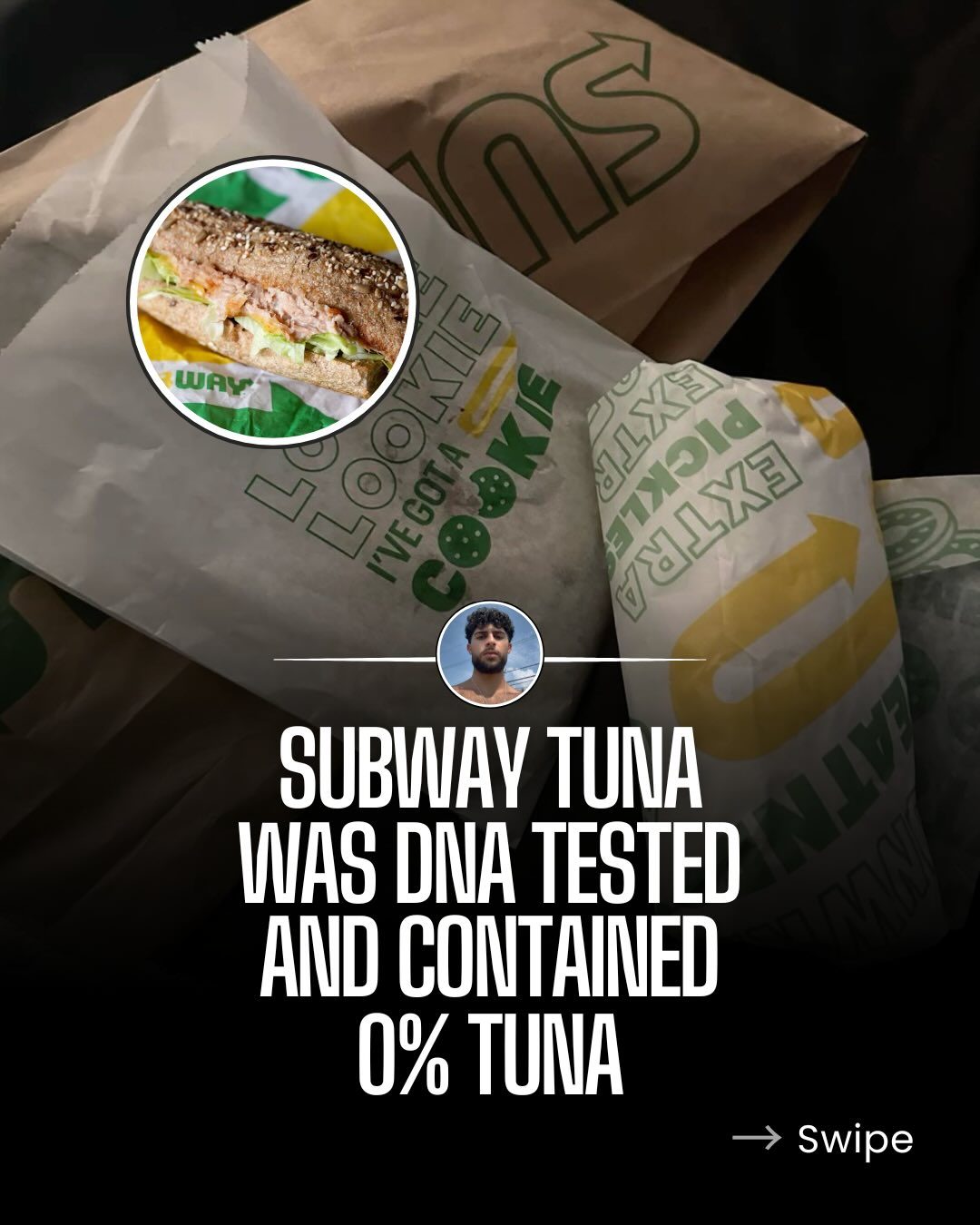
Subway Tuna Controversy: The DNA Test Results
In 2021, Subway's tuna sandwiches became the subject of intense scrutiny when a class-action lawsuit alleged that the tuna used in their sandwiches contained no actual tuna. The controversy gained traction when DNA testing by the Barber Lab at UCLA, revealed troubling results. The lab tested 20 tuna samples from various Subway locations across Southern California. The findings were surprising: 19 out of 20 samples had no detectable tuna DNA. Instead, the samples contained a mix of chicken, pork, and cattle DNA, raising serious questions about the integrity of Subway's tuna products.
Why This Matters
The revelation that Subway's tuna may not actually contain tuna is significant for several reasons. Firstly, it impacts consumer trust. Consumers expect the food they purchase to match its label. If a product labeled as tuna does not contain any tuna, it undermines the trust consumers place in the brand. Secondly, it raises concerns about food labeling regulations. If such a discrepancy can go unnoticed, it underscores potential gaps in food labeling and testing standards. Lastly, it highlights the need for transparency in the food industry. Consumers have the right to know exactly what they are consuming, and any deviation from that can have far-reaching implications.
Main Discussion
The DNA Testing Process
The DNA testing process involves analyzing the genetic material from a sample to identify its species. In this case, the Barber Lab at UCLA conducted DNA tests on 20 tuna samples sourced from Subway locations in Southern California. This process allows for the categorization of species such as chicken, pork, cattle and tuna by analyzing the DNA found in the samples. The results were then cross-referenced to determine the species present.
The Results
The results of the DNA testing were eye-opening. Out of the 20 samples, 19 showed no detectable tuna DNA. Instead, the DNA tests revealed the presence of chicken DNA in all 20 samples, pork DNA in 11 samples, and cattle DNA in 7 samples. These findings were independently verified by The New York Times, which conducted its own tests on three separate LA locations. Their results were consistent: no amplifiable tuna DNA was found in the samples.
Potential Explanations
The lab offered two possible explanations for the absence of tuna DNA in the samples. The first explanation is that the tuna was so heavily processed that the DNA had degraded to the point where it was no longer identifiable. Processing methods such as cooking, canning, or freezing can sometimes break down DNA, making it difficult to detect. The second explanation is that there was simply no tuna present in the samples. This would mean that the product labeled as tuna was, in fact, a different type of protein altogether.
Consumer Impact
The potential lack of tuna in Subway's tuna products has significant implications for consumers. For those who have dietary restrictions or preferences, such as religious dietary laws or allergies, the mislabeling of food products can lead to serious health issues. Additionally, consumers who prioritize certain types of food for health reasons may feel deceived if they are consuming a different type of protein than they intended.
Practical Tips
To navigate this controversy, consumers can take several practical steps. First, always refer to the nutritional information provided by the manufacturer. This information can sometimes provide more details about the ingredients used. Second, consider reaching out to the company directly for clarification on their sourcing and processing methods. Lastly, for individuals with dietary restrictions or preferences, it may be helpful to opt for products with clear and detailed ingredient labels.
Important Takeaways
The Subway tuna controversy serves as a stark reminder of the importance of transparency and accurate labeling in the food industry. Here are some key points to remember:
- Consumer Trust: Accurate labeling is crucial for maintaining consumer trust.
- Regulatory Oversight: This incident highlights the need for robust regulatory oversight to ensure that food products are accurately labeled.
- Transparency: Food companies should prioritize transparency in their sourcing and processing methods.
- Consumer Awareness: Consumers should be vigilant about checking ingredient labels and nutritional information.
Conclusion
The DNA testing results on Subway's tuna products have sparked a significant debate about food labeling and consumer trust. While the absence of tuna DNA in the samples raises serious questions, it also provides an opportunity for the industry to improve transparency and accuracy in food labeling. By holding companies accountable and advocating for stricter regulations, consumers can ensure that they are getting the products they pay for.
Watch the Reel
Recent articles
Fresh deep dives from the latest Reels we unpacked.



Comments
Be the first to comment.