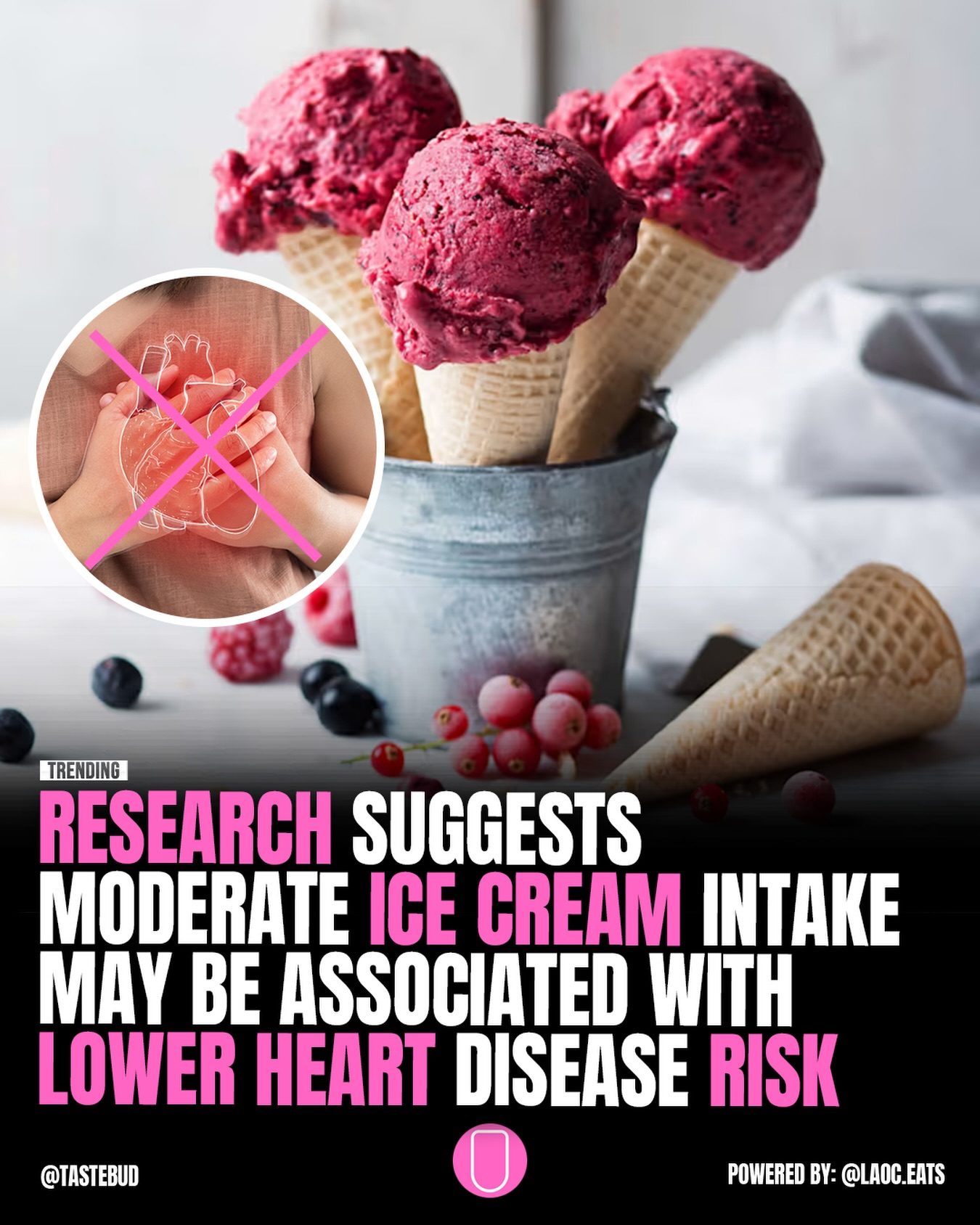
Ice Cream and Heart Health
Ice cream is a beloved treat worldwide, and recent studies have sparked curiosity about its potential benefits for heart health. Observational studies have suggested that moderate ice cream consumption may be linked to lower cardiovascular risk markers. This association, however, is likely more reflective of overall lifestyle and diet patterns rather than the ice cream itself.
Why This Matters
Understanding the relationship between ice cream consumption and heart health is important for several reasons. Firstly, it challenges the common perception that all high-calorie, high-fat foods are detrimental to heart health. Secondly, it highlights the complexity of nutritional science and the importance of considering overall diet and lifestyle factors. Lastly, it offers a more nuanced perspective on moderation and the role of indulgent foods in a balanced diet.
Main Discussion
Observational Studies and Their Findings
Several observational studies have explored the relationship between ice cream consumption and cardiovascular health. These studies, often involving large population samples, have identified correlations between moderate ice cream intake and lower levels of cardiovascular risk markers.
For instance, research published in Advances in Nutrition has suggested that individuals who consume moderate amounts of ice cream may exhibit lower levels of certain risk factors associated with heart disease. These markers can include cholesterol levels, blood pressure, and other indicators of cardiovascular health. However, it is crucial to note that these findings do not imply a direct causal relationship between ice cream and improved heart health.
The Role of Lifestyle and Diet Patterns
Experts caution that the observed benefits are likely due to broader lifestyle and dietary patterns rather than the ice cream itself. People who consume ice cream in moderation may also engage in other healthy behaviors, such as regular exercise, balanced eating habits, and avoiding excessive consumption of other high-risk foods. Therefore, the positive correlation may be attributed to an overall healthier lifestyle rather than the specific consumption of ice cream.
Moderation and Balance
The concept of moderation is central to understanding the potential benefits of ice cream. Moderate consumption typically means enjoying ice cream as an occasional treat rather than a daily staple. This approach allows individuals to indulge in their favorite flavors without compromising their overall diet quality.
Potential Benefits of Ice Cream
Ice cream, when consumed in moderation, can offer certain nutritional benefits. It is a good source of calcium, which is essential for bone health. Additionally, some ice creams contain vitamins and minerals, depending on the ingredients and any added nutrients. Furthermore, the psychological satisfaction derived from enjoying a favorite treat can contribute to a balanced and enjoyable diet.
Practical Tips
Choosing the Right Ice Cream
When selecting ice cream, opt for varieties that are lower in added sugars and saturated fats. Look for brands that offer lower-calorie options or those made with natural, high-quality ingredients. Consider ice creams fortified with vitamins and minerals for added nutritional value.
Incorporating Ice Cream into a Healthy Lifestyle
To incorporate ice cream into a healthy lifestyle, plan for it as a special treat rather than an everyday indulgence. Pair your ice cream with a balanced meal or a healthy snack to maintain overall nutritional harmony. For example, enjoy a scoop of ice cream after a nutritious dinner or as a reward after a workout.
Monitoring Portion Sizes
Portion control is essential when it comes to ice cream. Stick to recommended serving sizes, which typically range from half a cup to one cup, depending on the specific variety and your dietary goals. Using smaller bowls and spoons can help manage portion sizes more effectively.
Making Smart Combinations
Consider combining ice cream with healthier ingredients to create more nutritious treats. For example, mix ice cream with fresh fruits, nuts, or a drizzle of chocolate sauce made from darker chocolate for added antioxidants. This approach can enhance the nutritional profile of your indulgence.
Staying Active
Regular physical activity complements a balanced diet that includes moderate ice cream consumption. Aim for at least 30 minutes of moderate-intensity exercise most days of the week. This will help offset the caloric intake from ice cream and contribute to overall cardiovascular health.
Important Takeaways
- Moderate ice cream consumption may be linked to lower cardiovascular risk markers, but this association is likely due to broader lifestyle and diet patterns.
- Choosing ice cream made with high-quality ingredients and monitoring portion sizes are key to enjoying it as part of a healthy diet.
- Incorporating ice cream into a balanced lifestyle that includes regular exercise and a variety of nutritious foods is essential for overall health.
Conclusion
While observational studies suggest a potential link between moderate ice cream consumption and lower cardiovascular risk markers, it is essential to view this connection within the context of an overall healthy lifestyle. Enjoying ice cream in moderation, choosing high-quality varieties, and maintaining a balanced diet and active lifestyle can contribute to a more holistic approach to heart health. Whether you prefer a classic vanilla, a rich chocolate, or an adventurous flavor like purple drizzle, savor your ice cream as a delightful part of a well-rounded diet.
Watch the Reel
Questions readers ask
Does eating ice cream improve heart health?
While moderate ice cream intake has been linked to lower heart disease risk, it is not accurate to say that ice cream directly improves heart health. The observed benefits are likely due to the overall diet and lifestyle patterns of those who consume ice cream in moderation.
How much ice cream should I eat for potential heart benefits?
The studies suggest that moderate consumption of ice cream is where the potential benefits are observed. However, this does not mean consuming large amounts. It is important to remember that this is just an observational finding, and individual results may vary.
What types of ice cream are best for heart health?
The studies do not specify which types of ice cream are best. However, it is generally recommended to choose ice cream that is lower in saturated fat and sugar, and higher in nutrients, such as those with added fruits or nuts.
I am at a high risk of heart disease, should I start eating ice cream?
If you are at high risk of heart disease, it is best to consult with a healthcare provider or dietitian before making any changes to your diet. While moderate ice cream intake may have potential benefits for heart health, it is important to consider all aspects of your diet and lifestyle and ensure you are taking appropriate steps to reduce your individual risk factors.
Can ice cream be part of a healthy diet?
Ice cream can be a part of a healthy diet, but it should be enjoyed only in moderation. It is important to remember that ice cream is still high in calories, sugar, and fat, so it is best to consume in small amounts and balance it with a diet rich in fruits, vegetables, and lean proteins.
Are there other foods that may have similar benefits?
Similar to ice cream consumption, moderate intake of other dairy products, such as yogurt and milk, have been associated with lower heart disease risk. However, it is important to consider that like ice cream, dairy products may also contain high levels of saturated fat and sugar and it is best to consume them in moderation.
How does lifestyle play a role in ice cream's potential heart benefits?
Lifestyle and diet are closely related to heart health. Those who consume ice cream in moderation may also have other healthy habits, such as regular physical activity, not smoking, and a balanced diet. These factors can contribute to a lower risk of heart disease and may explain the observed association between moderate ice cream intake and cardiovascular health.
Related deep dives
Similar reads based on topic and creator.



Recent articles
Fresh deep dives from the latest Reels we unpacked.




Comments
Be the first to comment.