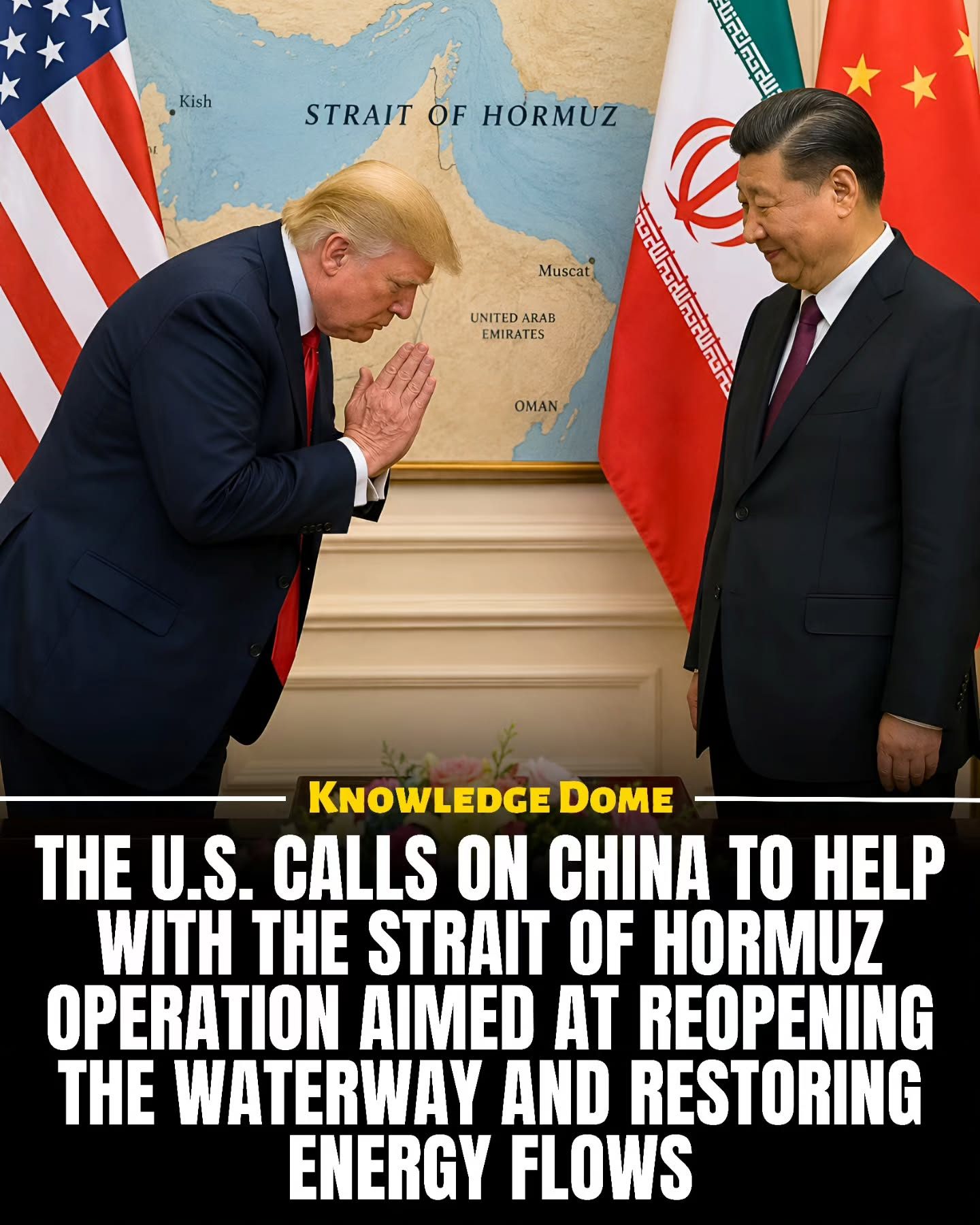
The Strait of Hormuz: A Critical Chokepoint for Global Energy Flows
The Strait of Hormuz, a narrow waterway linking the Persian Gulf to the Arabian Sea, is one of the world's most critical shipping routes for oil and energy. This strategic passage carries around 20% of the world's petroleum supply, making it a linchpin in global energy markets. Recently, the U.S. has called upon China to leverage its influence over Iran to help reopen the strait, which has seen increased tensions and blockades.
Why This Matters
The Strait of Hormuz is a critical passageway for global energy supplies, with significant geopolitical and economic implications. Any disruption in this waterway can have far-reaching consequences, affecting oil prices and global economies. The U.S. has urged China to step in because of its significant economic ties with Iran, which buys about 90% of Iran's energy exports. This makes China a key player in encouraging Iran to reduce tensions and allow free passage through the strait.
The Geopolitical Dynamics
The U.S.-China-Iran Triangle
The U.S. has publicly urged China to use its influence over Iran to help reopen the Strait of Hormuz. This request highlights the complex geopolitical dynamics at play. The U.S. believes that China, due to its significant energy imports from Iran, is in a unique position to persuade Iran to ease restrictions and ensure smooth energy flows. High-ranking U.S. officials, including Treasury Secretary Scott Bessent and Secretary of State Marco Rubio, have both publicly called for China's involvement to resolve the situation.
Military and Political Tensions
Iran's military and political leaders have taken steps to block the Strait of Hormuz and increase control over the traffic passing through the area. These actions have raised global concerns, as the strait is a crucial route for energy supplies. The closure of this waterway could lead to a sharp rise in oil prices and severe disruptions in economies worldwide. President Donald Trump's meeting in Beijing with Chinese President Xi Jinping further underscored the importance of keeping the Strait of Hormuz open.
Energy Flows and Global Impact
Economic Implications
The Strait of Hormuz is a vital artery for global energy supplies. Any disruption in this waterway can have severe economic repercussions. Oil prices could rise sharply, and economies that rely heavily on energy imports could face significant disruptions. This makes the reopening of the strait a top priority for many nations, not just those directly involved in the conflict.
Energy Security
The energy security of many countries is closely tied to the smooth operation of the Strait of Hormuz. The waterway carries a substantial portion of the world's petroleum supply, making it a critical choke point. Ensuring its uninterrupted flow is essential for maintaining global energy stability. Disruptions can lead to shortages, price hikes, and economic instability, affecting industries and consumers alike.
Practical Tips for Navigating Geopolitical Risks
Diversification of Energy Sources
One practical approach to mitigating the risks associated with the Strait of Hormuz is diversifying energy sources. Countries can invest in renewable energy sources, reduce dependence on fossil fuels, and explore alternative supply routes to ensure energy security. This can help minimize the impact of disruptions in critical waterways.
Diplomacy and Negotiation
Diplomacy and negotiation are crucial in resolving geopolitical tensions. Engaging in dialogue with all parties involved can help de-escalate tensions and find mutually beneficial solutions. The U.S. and China, with their significant influence, can play a pivotal role in encouraging Iran to reduce restrictions and ensure the free flow of energy.
Important Takeaways
The Strait of Hormuz remains a critical point of contention in global geopolitics, with far-reaching implications for energy supplies and economic stability. The U.S. and China, along with other nations, must work together to address the challenges posed by this strategic waterway. Ensuring its uninterrupted operation is essential for maintaining global energy security and economic stability.
Conclusion
The Strait of Hormuz stands as a testament to the intricate web of geopolitical dynamics and energy security. The current situation underscores the need for cooperation and diplomacy among key global players. By understanding the complexities and taking practical steps, we can work towards a more stable and secure energy landscape.
Watch the Reel
Questions readers ask
Why is the Strait of Hormuz so important to global energy security?
The Strait of Hormuz is crucial because it facilitates the transportation of around 20% of the world's petroleum supply. This makes it a vital artery for global energy flows and any disruption can have significant impacts on oil prices and economies worldwide.
What role does China play in the current Strait of Hormuz tensions?
China is a significant player due to its close relations with Iran. The U.S. has called on China to use its influence to help maintain free passage through the strait, highlighting the complex geopolitical dynamics and the potential for China's involvement in easing tensions.
How might China's influence on Iran help reduce tensions in the Strait of Hormuz?
China's close economic and political ties with Iran could potentially encourage dialogue and diplomacy. By leveraging its influence, China could help mitigate Iran's actions that disrupt maritime security, thus promoting a more stable environment in the Strait of Hormuz.
What are the potential consequences of disruptions in the Strait of Hormuz?
Disruptions can lead to increased oil prices, supply shortages, and economic instability. The Strait of Hormuz is a linchpin in global energy markets, so any blockades or tensions can have far-reaching effects on countries dependent on this vital energy waterway.
What steps have the U.S. taken to address tensions in the Strait of Hormuz and why is China involved?
The U.S. has requested China’s cooperation to leverage its influence on Iran, aiming to reopen the strait and ensure free passage. This highlights the geopolitical importance of the Strait of Hormuz and the complex dynamics at play, with the U.S. seeking allies to address the issue.
How does the Strait of Hormuz factor into broader U.S. China relations?
The situation in the Strait of Hormuz presents an opportunity for U.S.-China cooperation on maritime security. By working together, the two nations could help ensure the stability of global energy routes, addressing a critical issue that affects both countries' interests.
Recent articles
Fresh deep dives from the latest Reels we unpacked.




Comments
Be the first to comment.