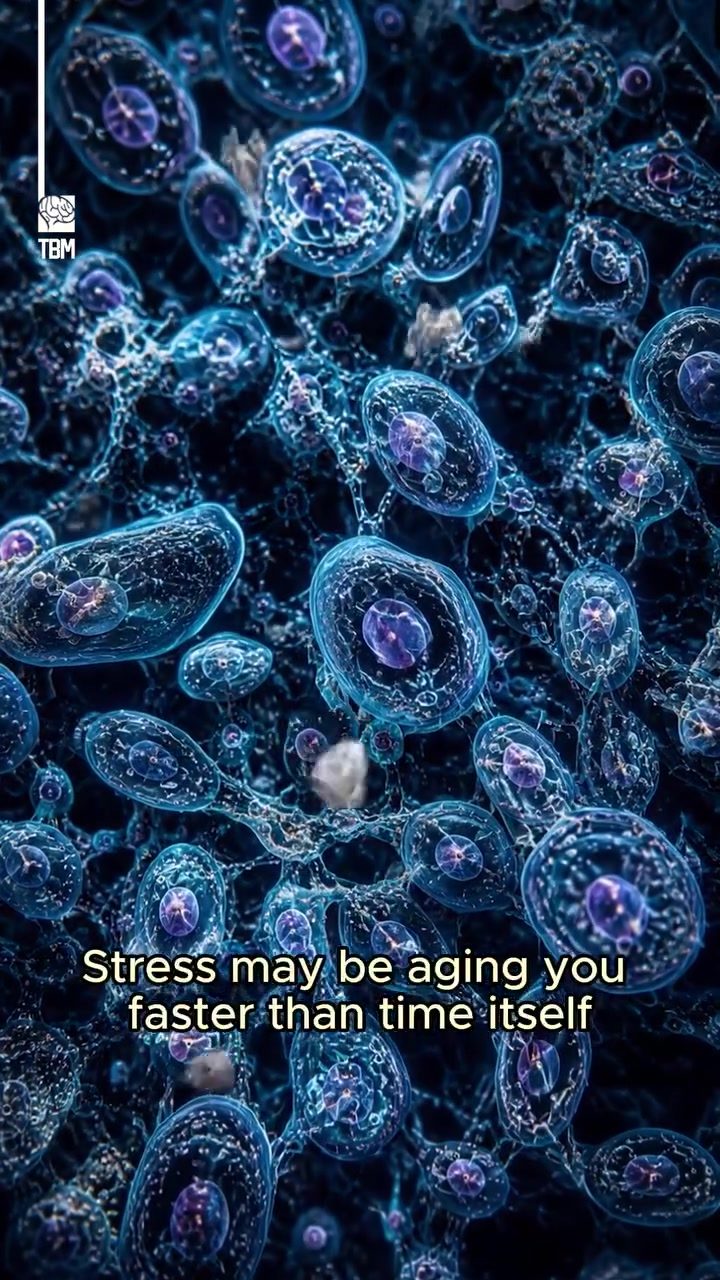
Cellular Aging and Stress
Stress affects everyone, but its impact on our bodies goes far deeper than just feeling tired or anxious. The process of cellular aging can be significantly influenced by stress, making it essential to understand how our daily habits can either accelerate or mitigate this process.
Why This Matters
Stress is an inevitable part of life, but its effects on cellular aging are often overlooked. Telomeres, the protective caps at the ends of our DNA, play a crucial role in how our cells divide, repair, and function. When these telomeres shorten too much, they can lead to cellular dysfunction and accelerated aging. Understanding this process can empower individuals to take proactive steps to maintain their health and longevity.
Telomeres: The Key to Cellular Health
Telomeres are tiny protective caps found at the ends of our chromosomes. These structures are vital for maintaining the stability of our genetic code. Every time a cell divides, telomeres shorten slightly. Over time, this shortening can lead to cellular dysfunction and impaired repair mechanisms, contributing to the aging process. However, factors such as chronic stress can accelerate this shortening, causing the body to age biologically faster than expected.
The Role of Stress in Telomere Shortening
Research indicates that chronic stress can significantly speed up the shortening of telomeres. This rapid shortening can lead to accelerated cellular aging, making the body more susceptible to age-related diseases and health issues. The good news is that adopting healthier daily habits can help maintain the length and integrity of telomeres, promoting cellular health and longevity.
Biological Aging vs. Chronological Aging
Biological aging, driven by telomere shortening and other cellular processes, can differ significantly from chronological aging. While chronological aging is simply the passage of time, biological aging reflects the actual condition of our cells and tissues. Stress can cause a person to age biologically faster than their chronological age, leading to various health issues. Understanding this distinction is crucial for taking proactive measures to maintain overall health and well-being.
Practical Tips for Maintaining Telomere Health
Stress Management Techniques
-
Mindfulness and Meditation: Practices like mindfulness and meditation can help reduce stress levels, promoting a healthier state of mind and body. Regular meditation sessions can help manage stress and maintain telomere health.
-
Physical Activity: Regular exercise is a powerful tool for managing stress and promoting overall health. Activities such as yoga, running, or even a brisk walk can help reduce stress hormones and improve telomere integrity.
Healthy Lifestyle Choices
-
Balanced Diet: A diet rich in antioxidants, vitamins, and minerals can support cellular health and help maintain telomere length. Foods like berries, leafy greens, and nuts are excellent choices for a telomere-friendly diet.
-
Adequate Sleep: Quality sleep is essential for the body to repair and rejuvenate itself. Ensure you get 7-9 hours of uninterrupted sleep each night to support cellular function and telomere health.
Important Takeaways
The Impact of Chronic Stress
Chronic stress can accelerate the shortening of telomeres, leading to accelerated biological aging. This process can have long-term health implications, making it crucial to manage stress effectively.
The Role of Daily Habits
Your daily habits can significantly impact telomere health. Adopting a stress management technique, maintaining a balanced diet, and ensuring adequate sleep can help maintain telomere length and promote overall health.
Proactive Health Management
Understanding the role of telomeres and the impact of stress on cellular aging can empower individuals to take proactive steps to maintain their health. Regular check-ups, healthy lifestyle choices, and stress management techniques can contribute to long-term health and longevity.
Conclusion
Stress affects more than just our mental state; it can accelerate cellular aging by shortening telomeres, leading to biological changes that impact our overall health. By understanding the role of telomeres and adopting healthier daily habits, individuals can take control of their health and promote longevity. The key lies in managing stress, maintaining a healthy lifestyle, and being proactive about health choices. Taking these steps can help mitigate the effects of stress and support cellular health, leading to a healthier, more vibrant life.
Watch the Reel
Questions readers ask
What are telomeres, and why are they important in the context of stress and aging?
Telomeres are protective caps at the ends of our DNA strands. They play a crucial role in cellular division, repair, and overall functionality. Chronic stress accelerates the shortening of telomeres, which can lead to cellular dysfunction and speed up the aging process.
How does stress impact the process of cellular aging?
Stress influences cellular aging primarily by shortening telomeres. This shortening can impair the body's ability to repair and maintain cells, leading to accelerated aging and increased risk of age-related diseases.
What are some specific ways stress can age you at a cellular level?
Stress can age you at a cellular level by increasing inflammation, impairing the immune system, and accelerating telomere shortening. These factors collectively contribute to cellular dysfunction and premature aging.
Are there any stress management techniques that can help slow down telomere shortening?
Yes, techniques such as mindfulness meditation, regular exercise, and adequate sleep can help mitigate the effects of stress on telomere length. Maintaining a healthy lifestyle and managing stress proactively can promote cellular health and longevity.
What are some anti-aging tips for stress relief that can benefit cellular health?
Practicing deep breathing exercises, engaging in regular physical activity, and maintaining a balanced diet can all help reduce stress levels. These habits can support cellular health by minimizing the impact of stress on telomeres and promoting overall well-being.
How does chronic stress specifically affect DNA protection mechanisms?
Chronic stress can disrupt the body's natural DNA protection mechanisms, including the length and integrity of telomeres. This disruption can lead to increased cellular damage and accelerate the aging process, making it crucial to manage stress effectively.
What role do habits play in maintaining cellular health and longevity in the context of stress?
Habits such as regular exercise, a healthy diet, and effective stress management techniques can significantly influence cellular health and longevity. These habits can counteract the negative effects of stress, helping to maintain telomere length and promote better overall health.
Related deep dives
Similar reads based on topic and creator.

Recent articles
Fresh deep dives from the latest Reels we unpacked.




Comments
Be the first to comment.