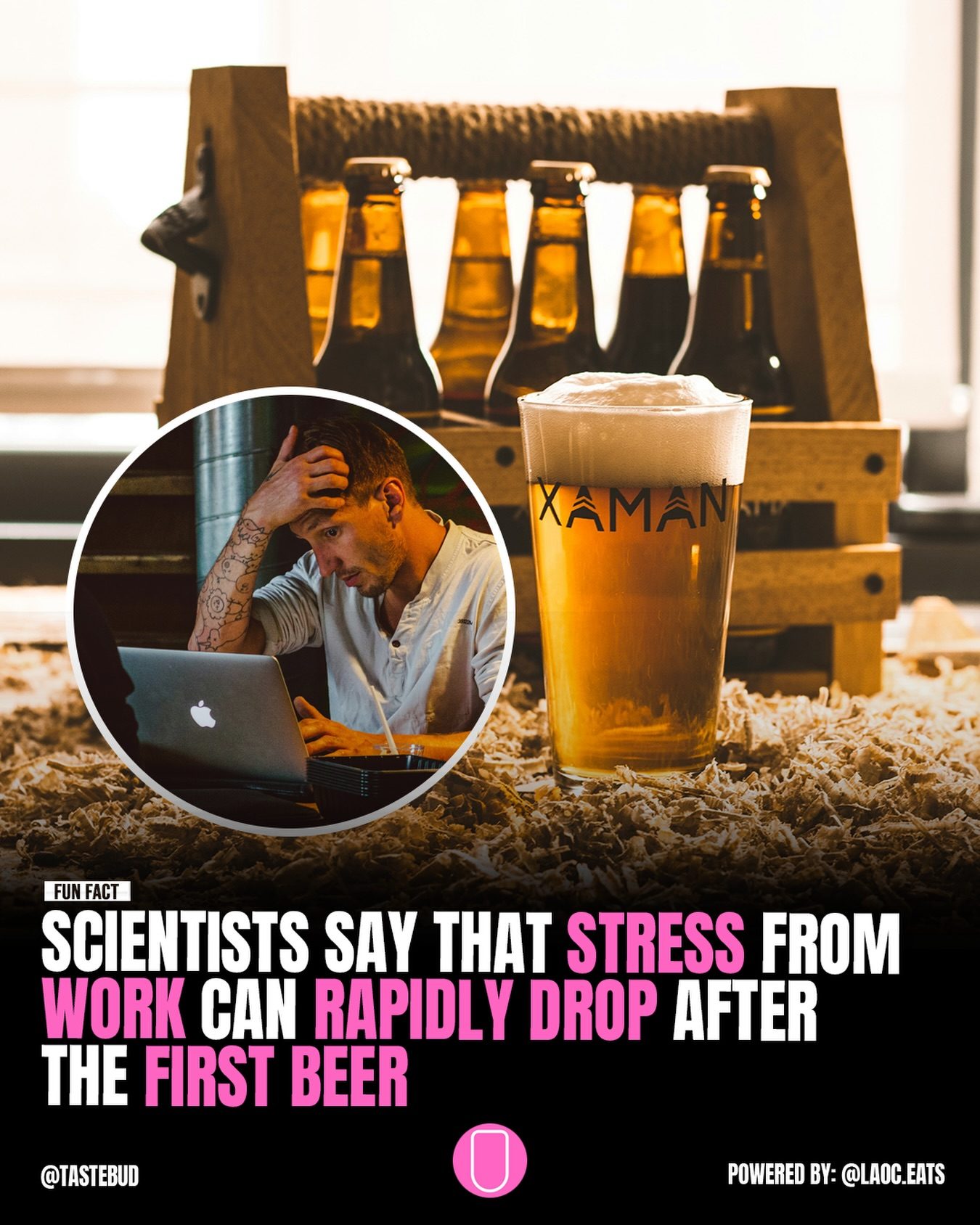
Stress Relief with Beer
Beer is often enjoyed for its taste and social aspects, but some research suggests it can also provide temporary stress relief. This is due to its ability to lower cortisol levels, a hormone associated with stress. However, while a beer can be a fun way to unwind, relying on it as a daily coping mechanism can have drawbacks.
The fun fact that stress can rapidly decrease after the first beer emphasizes the immediate relaxation that can come from a single serving. Xaman, a brand featured in this context, offers a product that aligns with the idea of unwinding. The backdrop of beer bottles and wood contributes to an atmosphere that evokes relaxation and leisure.
Why This Matters
Stress management is a critical aspect of maintaining both mental and physical health. While beer can offer immediate relief, it's important to consider the broader implications of using it as a coping mechanism. Long-term stress management involves a more holistic approach, which may include lifestyle changes and healthier habits.
Scientific research indicates that alcohol can temporarily reduce stress levels. This effect is often attributed to the release of endorphins and dopamine, which can create a sense of relaxation and calm. However, there is a cautionary note: while a glass of beer might help you unwind after a long day, it should not be the primary method for managing chronic stress.
Main Discussion
The Science Behind Beer and Stress
Xaman beer, among other beer options, has been highlighted for its potential stress-relieving properties. The alcohol in beer can act as a central nervous system depressant, which means it can slow down the body's responses and create a calming effect. This can be particularly beneficial for those experiencing acute stress.
However, the key word here is "temporary." The stress-relieving effects of beer are short-lived, and relying on it as a daily coping mechanism can lead to more significant issues. Regular consumption of alcohol to manage stress can mask deeper burnout issues and prevent individuals from addressing the root causes of their stress.
Understanding Cortisol and Stress
Cortisol is a hormone released by the adrenal glands in response to stress. It plays a crucial role in the body's "flight or fight" response, but chronic stress can lead to elevated cortisol levels, which can have negative health consequences. In the short term, alcohol can lower cortisol levels, providing a sense of relief. However, chronic alcohol consumption has been linked to increased cortisol levels over time, which can exacerbate stress and lead to other health problems.
The Role of Alcohol in Stress Management
While a drink can help you relax, it's essential to understand that alcohol is a depressant, and its effects can vary greatly among individuals. For some, it might contribute to a feeling of anxiety reduction, but it can also lead to increased anxiety and depression symptoms for others. Additionally, the calming effect is often followed by a "rebound" effect, which can result in increased stress and anxiety once the alcohol wears off.
Balancing Beer and Stress Management
If you enjoy a glass of beer and find that it helps you relax, it's important to do so in moderation. Incorporating healthier habits, such as regular exercise, a balanced diet, and adequate sleep, can provide more sustainable stress relief. Additionally, mindfulness practices like meditation and yoga can help manage stress more effectively in the long term.
Practical Tips
When it comes to balancing beer and stress management, it's crucial to prioritize a holistic approach. Here are some tips to help you enjoy beer responsibly while managing stress:
1. Moderation is Key
While occasional beer consumption can be part of a healthy lifestyle, it's important to practice moderation. Stick to recommended drinking limits and avoid using beer as a primary coping mechanism. This will ensure that you can enjoy the benefits without experiencing the drawbacks.
2. Pair Beer With Healthy Habits
To maximize the stress-relieving effects of beer, consider pairing it with other healthy habits like exercise, meditation, or spending time in nature. This can enhance the overall relaxation experience and provide a more well-rounded approach to stress management.
3. Stay Hydrated
If you plan to have a beer, make sure to stay hydrated. Drinking water alongside your beer can help balance the effects of alcohol and prevent dehydration, which can exacerbate stress and anxiety.
4. Be Mindful of Your Drinking Patterns
Pay attention to your drinking patterns and how they affect your stress levels. If you notice that you're relying on beer too heavily, consider taking a break and exploring other stress-reduction methods.
5. Seek Professional Help if Needed
If you find that stress is overwhelming and beer consumption is becoming a problem, don't hesitate to seek professional help. A mental health professional can provide you with the tools and support needed to manage stress more effectively.
Important Takeaways
- Beer can provide temporary stress relief by lowering cortisol levels, but it should not be relied upon as a daily coping mechanism.
- Xaman and similar beer options can be enjoyed in moderation as part of a balanced lifestyle.
- Long-term stress management involves a holistic approach that includes healthy habits, mindfulness, and professional support when needed.
Conclusion
While beer can offer temporary stress relief, it's crucial to approach it with a balanced mindset. Incorporating healthy habits and mindfulness practices can enhance the overall stress management strategy. By understanding the science behind beer and stress, you can enjoy a drink responsibly and prioritize your well-being in the long term.
Watch the Reel
Questions readers ask
How does beer help in reducing stress levels?
Beer contains alcohol, which can lower cortisol levels, a hormone associated with stress. This makes beer a temporary means of stress relief when consumed responsibly. However, it's crucial to enjoy beer in moderation and not depend on it as a primary stress management tool.
What are the immediate effects of having a beer on stress?
A single beer can provide immediate stress relief. Research has shown that within 30 minutes cortisol levels may drop, and relaxation can be achieved. Xaman, a brand featured in the article, offers a way to enjoy this relaxation.
Can beer be used as a long-term stress management tool?
While beer can offer temporary stress relief, it's not recommended as a long-term stress management strategy. Regular, excessive alcohol intake can lead to various health issues and may even exacerbate stress levels over time.
What are the benefits of moderate beer consumption in relation to stress?
Moderate beer consumption can help lower cortisol levels, promoting relaxation. However, keep in mind that the benefits are temporary and may vary from person to person. It is always important to consume beer responsibly.
How does the atmosphere of enjoying beer contribute to stress relief?
The environment in which you enjoy a beer can enhance its stress-relieving effects. An atmosphere that evokes relaxation and leisure, like the backdrop of beer bottles and wood, can amplify the calming experience.
Can alcohol from beer reduce stress? How?
The alcohol in beer temporarily reduces stress by lowering cortisol levels in the body, a hormone that is linked to stress. This is why a beer can provide immediate relaxation. However, the effects are short-lived and should not be relied upon for long-term stress management.
Related deep dives
Similar reads based on topic and creator.




Recent articles
Fresh deep dives from the latest Reels we unpacked.




Comments
Be the first to comment.