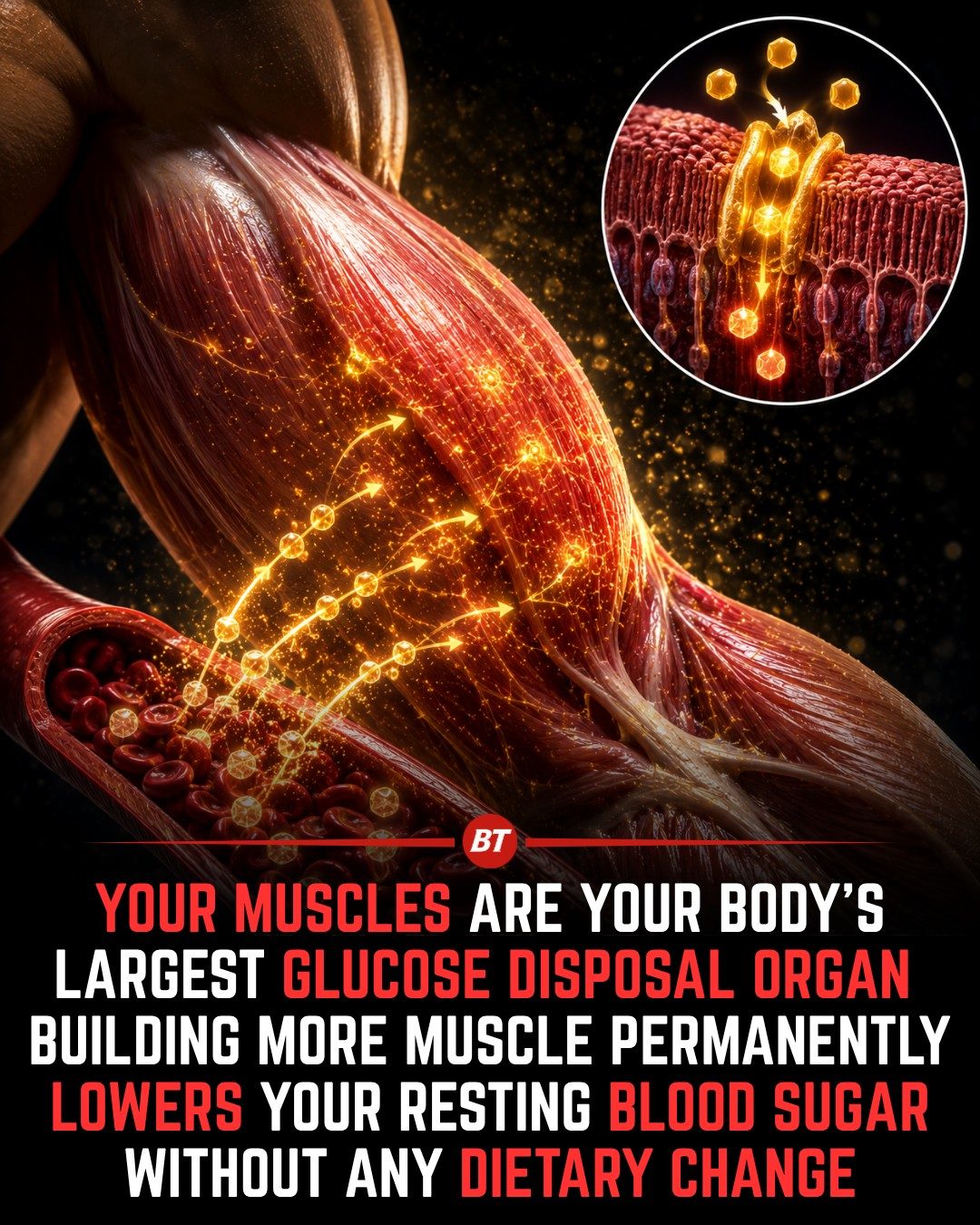
Muscle Growth and Glucose Metabolism
Muscles play a crucial role in maintaining healthy blood sugar levels, far beyond their primary function of movement. Every time carbohydrates are consumed, the body breaks them down into glucose and releases insulin to move this glucose out of the bloodstream. Surprisingly, the primary destination for this glucose isn't the liver or fat cells; it's skeletal muscle.
Context / Why this matters
Understanding the relationship between muscle tissue and glucose metabolism is vital for maintaining overall health. By focusing on muscle health, individuals can significantly improve their metabolic function and reduce the risk of conditions like type 2 diabetes. This is especially important in an era where sedentary lifestyles and poor diets are prevalent.
Main discussion
The Role of Muscles in Glucose Metabolism
Muscle tissue acts as a massive storage tank for glucose. When muscles contract during exercise, they pull glucose from the bloodstream and store it as glycogen. This glycogen serves as fuel for future movement and activity. This process is not just beneficial during physical activity; it also has long-term metabolic benefits. Muscles are metabolically active even at rest, continuously using energy and helping to maintain a healthier metabolism throughout the day.
Building Muscle for Better Metabolic Health
Research has shown that individuals with greater muscle mass tend to have better insulin sensitivity and healthier blood sugar regulation. More muscle mass means more tissue available to absorb and utilize glucose, which can lower resting blood sugar levels. This makes strength training a powerful tool for long-term metabolic health. Building muscle can permanently lower resting blood sugar without making any dietary changes, making it a sustainable strategy for managing glucose levels.
The Science Behind Muscle and Glucose
Muscle tissue is the body's largest glucose disposal organ. When you build more muscle, you create more tissue capable of absorbing glucose from the bloodstream. This process helps in maintaining stable blood sugar levels and reduces the risk of type 2 diabetes. Strength training exercises, such as squats, push-ups, lunges, and weight training, are particularly effective in building muscle and improving metabolic health.
The Benefits of Strength Training
Strength training is increasingly recognized as a crucial component of a healthy lifestyle. It not only builds muscle mass but also enhances overall metabolic function. Regular strength training sessions can help individuals manage their blood sugar levels more effectively, even if their diet remains unchanged. This makes strength training a versatile and effective strategy for maintaining metabolic health.
Practical tips
-
Incorporate Resistance Training: Focus on resistance exercises such as squats, push-ups, lunges, and weight training. Aim for at least 2–3 sessions per week to build muscle and improve metabolic health.
-
Consistency is Key: Make strength training a regular part of your routine. Consistency is crucial for building muscle mass and reaping the long-term benefits of improved glucose metabolism.
-
Variety in Workouts: Incorporate a variety of exercises to target different muscle groups. This ensures a balanced workout and helps in building overall muscle mass.
-
Monitor Progress: Keep track of your progress to stay motivated and make adjustments as needed. Seeing improvements in muscle mass and metabolic health can be highly motivating.
-
Stay Active: In addition to strength training, stay active throughout the day. This helps in maintaining a healthier metabolism and supports overall health.
Important takeaways
Building muscle mass is a powerful way to improve glucose metabolism and support long-term metabolic health. Muscle tissue plays a crucial role in glucose disposal, and strength training can significantly enhance this process. By focusing on resistance exercises and maintaining a consistent workout routine, individuals can lower their resting blood sugar levels and reduce the risk of developing type 2 diabetes. This approach to health not only improves metabolic function but also supports overall well-being.
Conclusion
Muscle growth is more than just an aesthetic goal; it's a key factor in maintaining metabolic health. By understanding the role of muscle tissue in glucose metabolism and incorporating strength training into our routines, we can significantly improve our overall health. The benefits of building muscle go beyond physical appearance, impacting our metabolic function and reducing the risk of chronic diseases.
Watch the Reel
Questions readers ask
How does strength training directly impact blood sugar levels?
Strength training builds and strengthens muscle tissue, which helps to absorb and store glucose, thus reducing the amount of glucose circulating in the bloodstream. This process helps to lower blood sugar levels and manage overall blood sugar control.
What role do muscles play in glucose metabolism?
Muscles are a primary destination for glucose, which moves to the muscles after carbohydrates are broken down. A higher amount of muscle mass means more glucose storage and better glucose metabolism.
Can strength training help prevent type 2 diabetes?
Yes, strength training helps prevent type 2 diabetes by improving insulin sensitivity and increasing the body’s ability to regulate blood sugar. Regular strength training can help lower the risk of developing type 2 diabetes.
How does building muscle improve metabolic health?
Building muscle increases the body's ability to absorb and use glucose, which improves overall metabolic health. This process helps manage blood sugar levels and reduce the risk of metabolic disorders like type 2 diabetes.
What is the relationship between insulin and muscle tissue?
Insulin facilitates the movement of glucose from the bloodstream into cells, with muscle tissue being a major recipient. Strength training increases muscle mass, which in turn enhances the body’s insulin sensitivity and glucose uptake.
Related deep dives
Similar reads based on topic and creator.




Recent articles
Fresh deep dives from the latest Reels we unpacked.




Comments
Be the first to comment.